Chemistry private tuition in Panchkula gives families a way to enquire about focused help with school Chemistry, scientific calculations, revision and difficult concepts. Best Home Tuition can discuss individual teaching arrangements for relevant classes when an appropriate specialist is available. This guide explains how the learning plan and progress reviews can work; it is not a ranking of local teachers.
Quick answer: Share the student’s class, school board, difficult Chemistry topics, Panchkula locality and preferred time. Ask about specialist availability, teaching methods, fees and current demonstration terms before making a commitment.
What private Chemistry tuition should achieve in Panchkula

Private Chemistry tuition should help a student understand the reasons behind scientific facts and calculations. Some learners need help interpreting chemical symbols, while others can recall equations but find unfamiliar application questions difficult. The starting point is the learner’s current syllabus, recent work and specific academic needs, not a promise to cover more chapters than school. In a one-to-one lesson, the teacher can change the pace when a learner struggles and test whether new knowledge can be used independently.
Parents can enquire with Best Home Tuition by sharing class, board, subjects, a Panchkula sector and a preferred teaching time. The service can discuss possibilities subject to a suitable teacher being available. This article describes the actual teaching plan and practice routine, whereas the Chemistry private tutor selection guide helps families assess teacher qualifications and fit. The aim is stronger reasoning, not a guaranteed examination score.
How to assess Chemistry understanding before lessons begin
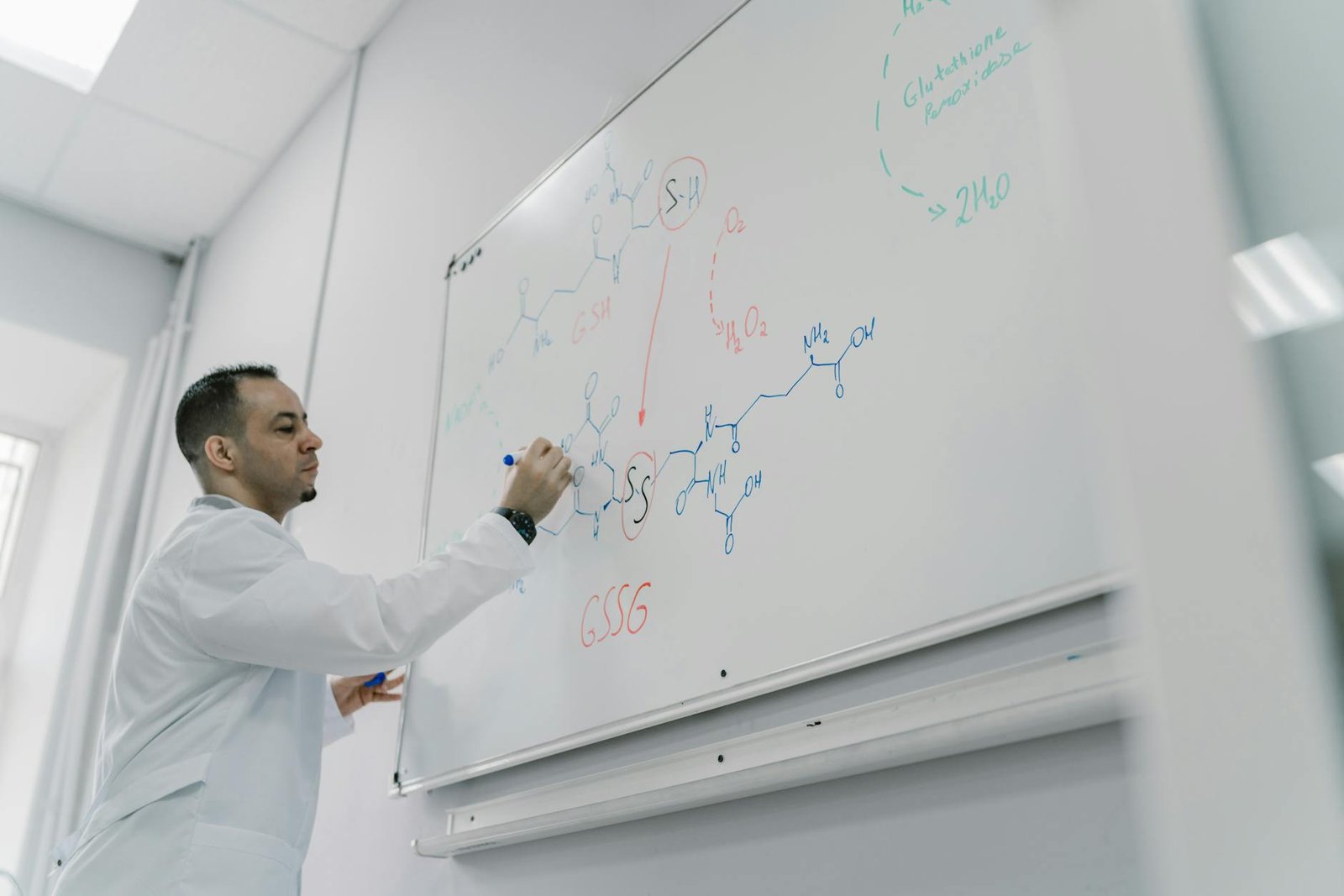
A short initial assessment can include a definition explained in the student’s own words, an appropriate numerical question and a recent school problem that the learner could not solve. Instead of treating all wrong answers equally, a tutor should distinguish between missing concepts, weak maths foundations, confusion about units and incomplete written explanations. Each cause calls for a different teaching response. A long test is not required to begin identifying the most important learning gaps.
Parents can provide current textbooks, school assignments and corrected tests. The tutor can choose two or three achievable goals for the first month, such as balancing chemical equations or explaining mole conversions more confidently. Keep a short example of independent work so later progress can be compared fairly. A learner who feels safe admitting confusion is more likely to ask meaningful questions and build a lasting understanding.
Class 9 Chemistry support within school Science

Class 9 Chemistry may be taught as part of Science, with an emphasis on matter, elements, atoms, molecules and other topics set by the board. A student who memorises a definition may still need practice recognising a concept in an unfamiliar example. A tutor can use diagrams, visual comparisons and textbook questions to make abstract ideas clearer. The school’s current syllabus should determine exactly which chapters are taught; generic worksheets are not always relevant.
Useful practice may include describing an observation, using symbols correctly and explaining the difference between two related ideas. If numerical problems cause trouble, review multiplication, fractions or units as needed. At the end of a session, ask the learner to answer one fresh question without copying the teacher. A short weekly review helps parents see whether confusion is decreasing and which topics still need focused support.
Class 10 Chemistry: practise reactions and scientific explanations

Class 10 Chemistry can involve reactions, equations, acids and bases or carbon compounds, depending on the current board. Private tuition should explain what the symbols and products mean before asking the learner to balance an equation. Students also need to practise accurate terms and written reasoning rather than reproduce a textbook answer mechanically. A teacher can use recent school papers to identify whether mistakes come from an unclear concept, an incorrect equation or an incomplete response.
A helpful weekly plan combines review of the relevant chapter, guided examples and independent questions. When students make a mistake, ask them to explain why their answer seemed reasonable. Families using CBSE can consult the official CBSE Academic website for curriculum information and should follow school notices. A realistic plan supports exam preparation without promising guaranteed marks or requiring endless worksheets.
Class 11 Chemistry: building stronger scientific foundations

Class 11 introduces more abstract chemical ideas and often demands stronger numerical reasoning. Students may need help with atomic structure, chemical bonding, quantitative Chemistry, equilibrium or other topics set by their board. A tutor should assess prerequisite knowledge first; confusion about chemical formulas or basic algebra can make later chapters much more difficult. Lessons can divide a concept into smaller parts, explain one worked example and then invite a fresh independent attempt.
The tutor should follow the student’s actual course rather than assume all boards use the same chapter sequence. Written notes are useful when they support understanding, not when a learner copies without thinking. Periodic revision is important because new topics often depend on earlier principles. Parents can ask how lessons will fit the student’s other senior-secondary subjects and whether the planned frequency leaves sufficient time for self-study.
Class 12 Chemistry: board revision and problem solving

Class 12 Chemistry may combine numerical calculations, written explanations and reasoning about chemical structures or transformations. A tutor can examine a recent assessment to distinguish between errors in terminology, concept selection, units, calculations or answer structure. Different mistakes need different remedies. Instead of asking students to copy many solutions, a lesson should explain why an approach works and check whether the learner can apply it to a new problem.
Revision should revisit previously studied ideas alongside the latest school chapters. Once concepts are secure, short timed practice can help students work accurately under assessment conditions. Use school instructions and official board material to confirm current requirements, rather than outdated collections of questions. Parents should ask for progress feedback based on actual work over several weeks, not a guarantee of a particular score or examination ranking.
Physical Chemistry: understanding calculations and quantities

Physical Chemistry becomes more accessible when students can explain what each quantity represents. The tutor should teach a repeatable process: identify given data, note units, choose the relevant chemical principle, carry out the calculation and check the result. This approach can support questions about moles, concentration or other numerical topics appropriate for the learner’s course. If an answer is wrong, check whether the cause is algebra, conversion or a misunderstanding of the scientific concept.
After a guided problem, give a new example with different values so the learner must apply the idea. Students can maintain an error notebook that records the exact step they found difficult and the correction that helped. Estimating whether a result is plausible can prevent careless mistakes. The goal is independent scientific reasoning, not remembering a fixed sequence of answers from previous homework.
A worked numerical: moles and molar mass

Consider 18 grams of water. Using approximate atomic masses of 1 for hydrogen and 16 for oxygen, its molar mass is about 18 grams per mole. The number of moles equals the mass divided by the molar mass, so n = 18 / 18 = 1 mol. A tutor should explain why the gram units cancel and why the answer is expressed in moles. This connection between scientific meaning and mathematical units is more valuable than substituting numbers mechanically.
The learner can then solve a similar question with 36 grams of water and obtain approximately 2 mol. Ask them to explain the proportional relationship and how the solution would change for another substance with a different molar mass. The calculation should use the atomic masses and rounding conventions specified by the school or examination. Checking an unfamiliar variation is a good way to establish that the concept has been understood.
Organic Chemistry: learn families, structures and relationships

Students sometimes treat Organic Chemistry as a long list of reactions to memorise. A tutor can instead explain functional groups, representations of structures and the connections between related transformations. Where appropriate to the syllabus, students may examine the role of reaction conditions and why similar compounds behave in similar or different ways. The teacher should avoid jumping into advanced mechanisms before the learner understands basic bonding and structural notation.
Ask the student to draw a structure, identify the relevant group and describe what changes in an example. Brief concept maps can organise reaction families without replacing the textbook. Students should also attempt new questions independently and revisit older material after an interval. When an answer is wrong, identify whether the issue is incorrect naming, structure drawing or understanding the reaction itself.
Inorganic Chemistry: trends and accurate terminology
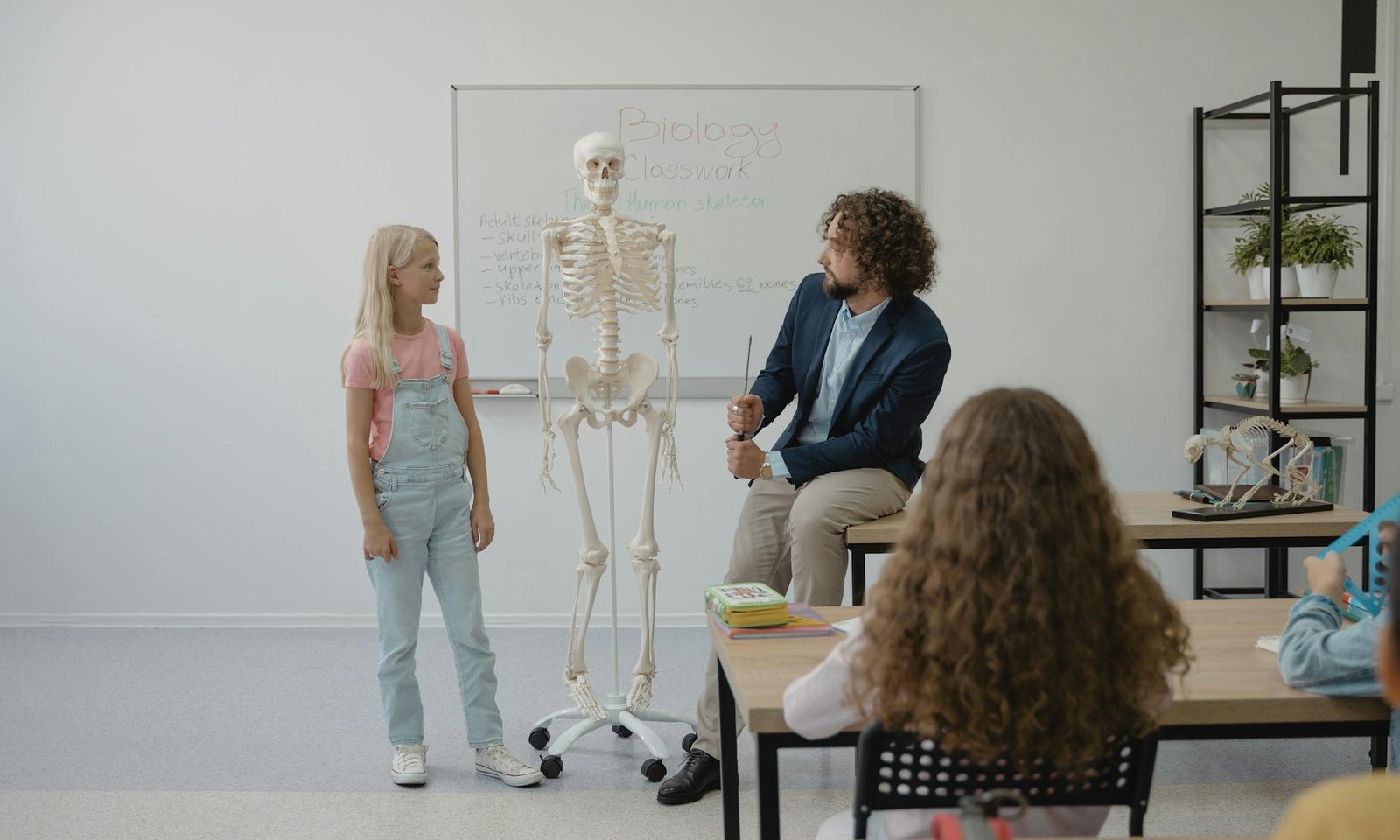
Inorganic Chemistry may require students to connect facts, periodic ideas, chemical properties and observations. Patterns can support memory, but simple shortcuts can be misleading when exceptions matter. A tutor should explain the basis of a trend before asking students to recall related facts. Depending on the course, visual comparisons and small tables can help organise the material without claiming that every question follows one easy rule.
Spaced recall sessions may improve retention more effectively than trying to memorise an entire chapter just before a test. A learner should practise writing the required scientific terms accurately and applying the idea to a different question. The teacher can check where a memorised answer fails to address the actual prompt. Parents should look for better explanations and fewer repeated errors rather than judging progress solely by the number of pages of notes.
Chemistry practical knowledge: safe observations and explanations

School Chemistry includes experiments and observations, but home tutoring need not involve handling chemicals or heat. The tutor can explain the purpose of a school-approved experiment, what an observation means and how to write a conclusion using diagrams, videos or textbook material. Practical work involving chemicals or equipment must follow authorised school procedures, appropriate supervision and safety requirements. Unsupervised experiments at home are not a substitute for proper laboratory instruction.
A valuable teaching exercise is asking students to distinguish an observation from an inference. They can practise describing results accurately, using the correct terminology and organising answers as required by their school. The teacher should confirm which practical topics are on the current syllabus. Even without performing an experiment, careful discussion of measurements, safety and reasoning can strengthen written Science answers.
Why Chemistry tuition must match CBSE, ICSE, IB or Cambridge
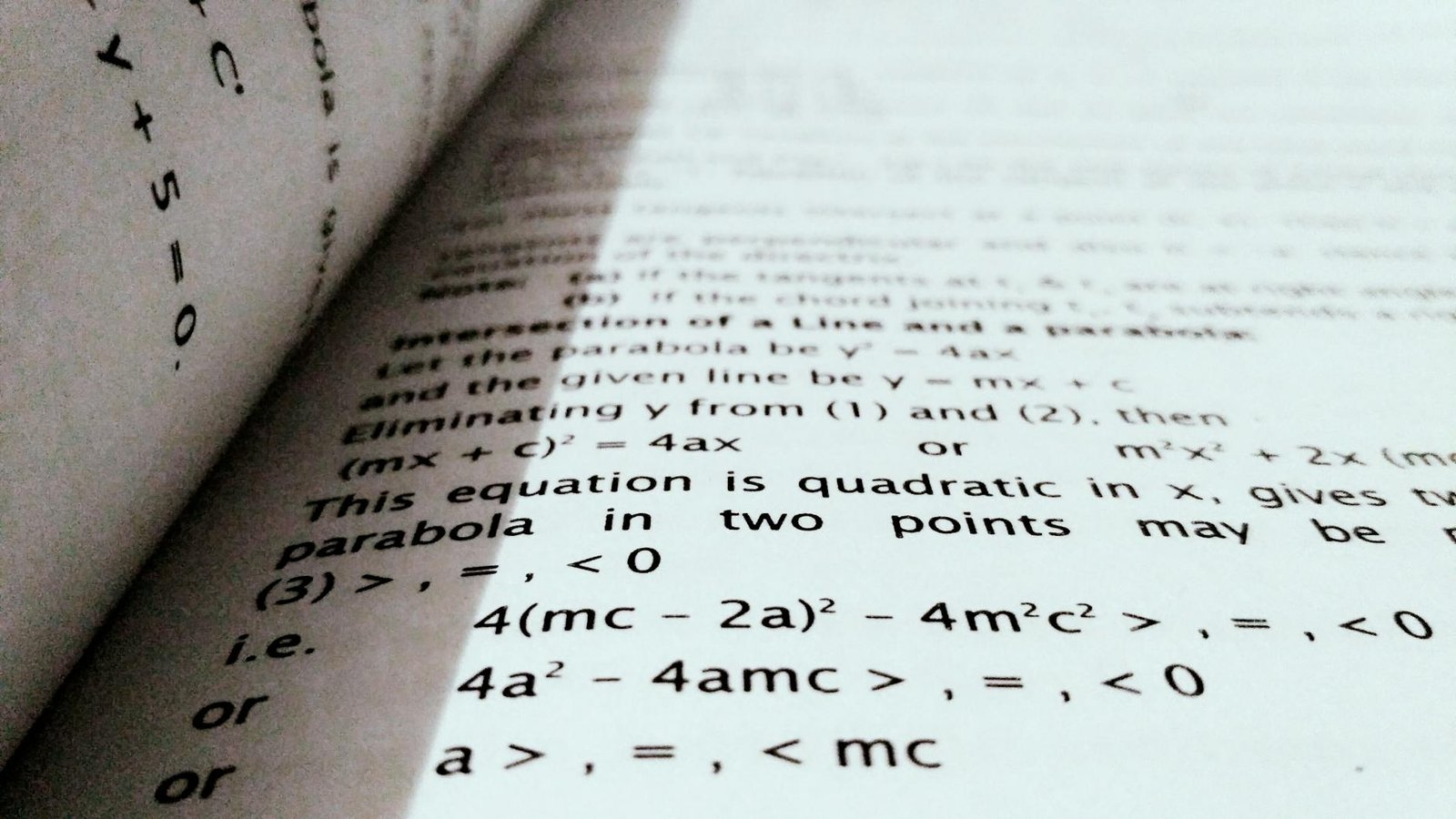
Different education boards can approach Chemistry topics in different sequences, at different depths and with different assessment expectations. CBSE, ICSE, IB and Cambridge students should share the actual board, class and schoolbooks before selecting tuition. A teacher who understands Chemistry still needs to know how that course expects diagrams, calculations and extended answers to be presented. A generic worksheet may waste study time if it does not fit the current syllabus.
For CBSE, families can review CBSE Academic and NCERT for official educational resources where relevant. Other learners should consult their school and board documentation. Ask the tutor how lessons will follow these materials and how progress will be checked. The goal is accurate, curriculum-aligned support instead of promises that one set of notes fits every student.
JEE and NEET Chemistry support is a separate requirement

School Chemistry and entrance-examination preparation share scientific foundations, but may differ in question types and study pace. JEE and NEET preparation should be mentioned specifically when enquiring, so the family can ask about appropriate specialist experience. The tutor should describe how conceptual teaching, practice questions and later timed revision would fit the learner’s current ability. An advanced question set may be unhelpful if basic ideas are still confusing.
Students also need a realistic timetable across their other subjects and adequate time for independent revision. Parents can ask how recurring errors will be identified and whether progress reviews will inform the next month’s plan. No service can guarantee an entrance ranking or admission. Relevant expertise, suitable materials and a teaching method that develops independence matter more than claims of quick results.
Weekly Chemistry lessons: balance explanation, practice and revision

A practical week can include introducing a difficult concept, applying it in questions and reviewing earlier mistakes. The exact frequency depends on the child’s class, school workload and how much independent practice is possible. A tutor should avoid filling every session with uninterrupted explanation while the learner watches passively. Time to attempt questions independently is an important part of learning.
A useful routine is to revisit a small question from a previous lesson, teach one new idea and finish with a fresh example. Short homework tasks can then show whether the learner remembers the principle between classes. Keep an error notebook organised by misconception, calculation, units or written presentation. This helps the teacher target recurring weaknesses instead of repeatedly assigning generic worksheets. Parents can request a concise weekly update on the skills being practised.
Panchkula sectors, MDC and Amravati: teaching arrangements

Families requesting Chemistry tuition in Panchkula should mention the general sector and a realistic class time. Mansa Devi Complex, Amravati and other residential areas can involve different travel routes, so the academic match also needs practical scheduling. A teacher may have the right subject experience but be unable to reach the home reliably during a busy evening period. Confirm actual availability rather than assume every locality is covered at every hour.
Parents can read home tuition in MDC and Panchkula home tutor information for related local questions. Give a general neighbourhood in an initial enquiry and share full residential details privately only when appropriate. If travel is difficult, ask whether a suitable specialist can offer individual online classes.
Chemistry tuition fees, cancellations and payment terms

Fees can vary according to the student’s class, board, specialist experience, lesson length, weekly frequency and travel distance. Class 9 general Science support is not directly comparable to specialist Class 12 or entrance-examination preparation. Instead of relying on an unverified general price range, ask for a current quote for the exact subjects and schedule. Confirm what the lesson fee includes and whether different specialists are needed.
Discuss when payment is due, what happens when a class is missed, how sessions can be rescheduled and what notice is needed to discontinue. Keeping these expectations clear can prevent disputes. The most expensive arrangement does not automatically provide the best teaching, and the lowest quoted price may offer poor value if lessons are unreliable. Compare the tutor’s actual subject fit, attendance and progress checks as well as the cost.
Online Chemistry lessons compared with home visits

Individual online Chemistry tuition can be useful when a relevant specialist cannot travel to a particular area or when families need different lesson times. A digital writing pad or shared whiteboard can help explain structural formulas, chemical equations and numerical calculations. Reliable audio and internet are important because students should be able to ask questions and show their own written work for correction.
In-person tuition can support direct discussion of schoolbooks and handwritten solutions. The most suitable format depends on the learner’s age, concentration and subject needs. Younger pupils may require nearby adult support with technology. The online tuition guide contains further questions about remote learning. Neither format guarantees marks; effective explanation, independent practice and feedback matter in both.
A practical four-week Chemistry progress check

During week one, the tutor can review school tests and choose two or three measurable goals such as balancing equations or converting quantities correctly. Keep an example completed independently. During week two, teach the missing ideas and practise them with more than one example. Week three should revisit those ideas using unfamiliar questions so the learner must apply understanding instead of copying an earlier answer.
During week four, compare similar independent work and discuss which errors remain frequent. Improvement may first appear in willingness to attempt problems and clearer explanations before it appears in school marks. If progress is limited, the teacher can revisit earlier concepts or adjust the pace instead of automatically assigning more pages. Parents should ask what the student can now do without hints and what comes next.
FAQs and how to enquire about Chemistry tuition

Which classes are suitable? Families can enquire about Chemistry or school Science support at relevant levels, subject to specialist availability. Can Class 11 and 12 students ask for help? Yes, provide the board and exact chapters. Is JEE or NEET included? Specialist preparation requires a separate discussion. Can a tutor attend MDC or Amravati? Travel feasibility must be checked. Is a free demo guaranteed? Confirm the current policy and any conditions directly.
Are fees fixed? They depend on the class, specialist, schedule and travel. Can lessons be online? You can enquire about individual remote classes. What should a student bring? Prescribed textbooks, recent school tests, notes and questions that were difficult. How is improvement measured? Compare independent work over several weeks. Contact Best Home Tuition on 8872339669 to discuss suitable options, fees and timing.
BEST HOME TUITION – CHEMISTRY PANCHKULA
Share class, board, difficult Chemistry chapter, Panchkula sector and preferred time.
Call: 8872339669
Call Best Home Tuition WhatsApp Your Requirement
Teacher matching, fee and demo arrangements require confirmation.
