Chemistry private tutor in Panchkula: Parents can enquire about individual Chemistry learning support for school students, including Classes 9–12 and specialist subjects where a suitable teacher is available. This guide explains what to look for in a Chemistry tutor, how to compare teaching methods, and which questions help families plan a realistic schedule. It does not guarantee teacher availability, fees or academic results.
Quick answer: Share the student’s class, education board, difficult Chemistry topics, Panchkula locality and preferred teaching time. Ask about subject experience, independent practice, lesson format and costs before agreeing.
Finding a Chemistry private tutor in Panchkula: start with the exact need
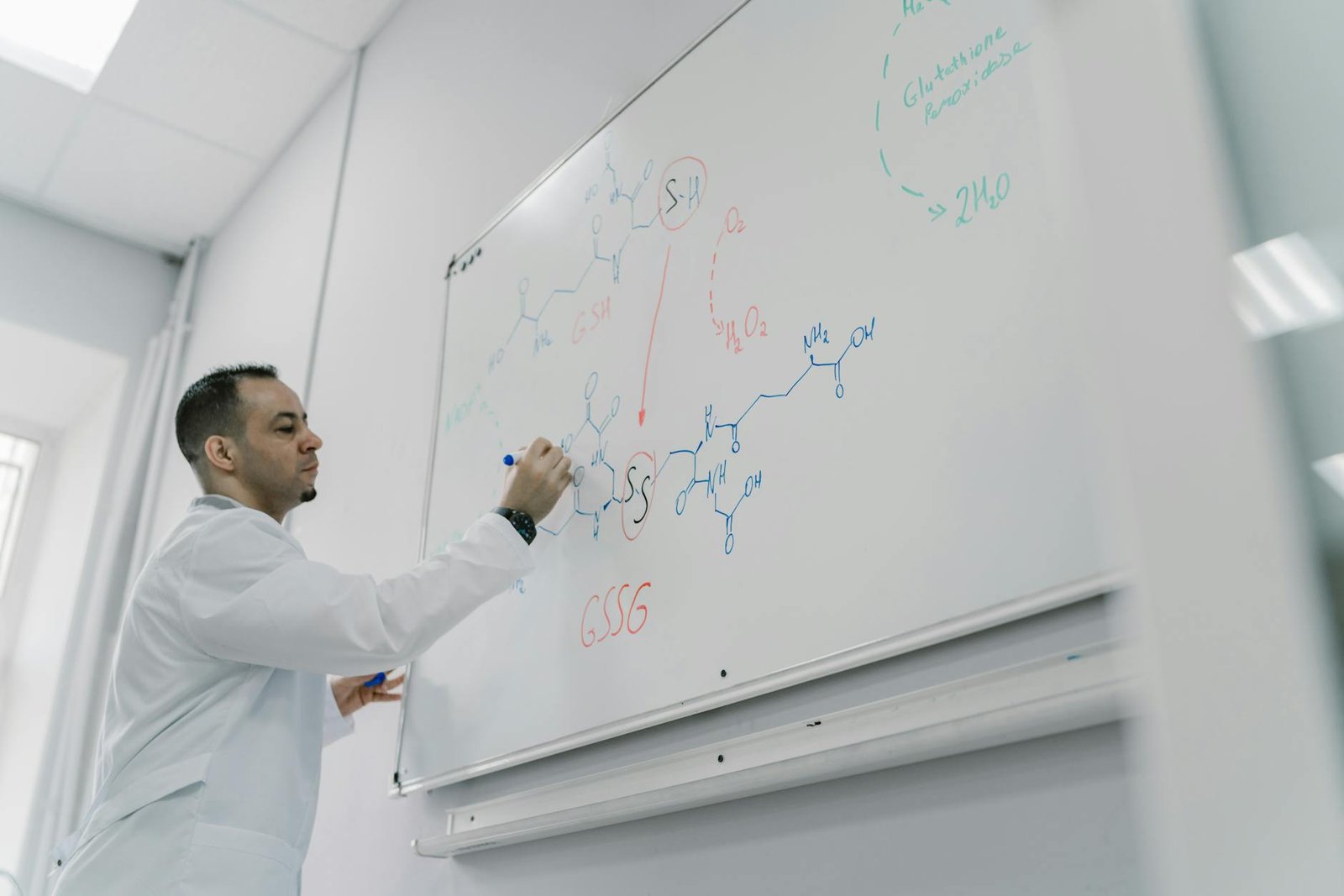
A private Chemistry tutor is most useful when the student has a clear learning need. One pupil may be confused by the language of atoms and molecules, while another can recall equations but struggles with numerical problems. Before enquiring, note the class, education board, current chapters and examples of mistakes from recent schoolwork. This lets a potential tutor discuss an appropriate teaching approach rather than assume that every learner needs more worksheets. For senior classes, identify whether the priority is school concepts, board revision or specialised competitive-exam practice.
Families in Panchkula should also mention the sector or locality and a practical time for lessons. Best Home Tuition can discuss possible arrangements, subject to current teacher availability and travel. The first conversation should clarify which topics need attention, the qualifications required and how progress would be checked. A subject specialist who explains patiently and allows independent practice is more valuable than an unsupported promise about examination results.
Chemistry learning goals for Classes 8 to 10

Chemistry starts to demand more precise scientific language as students progress through middle and secondary school. Pupils may need help identifying physical and chemical changes, understanding elements and compounds, using symbols correctly and describing observations. A tutor should begin with the student’s prescribed textbook rather than introduce unrelated advanced material. Short questions can reveal whether the learner understands a process or only remembers a definition. Pictures, models and familiar examples may support explanations, but they should connect directly to the school’s current topic.
For Class 9 and 10, practice should include clear written answers, formula use where relevant, simple reasoning about chemical reactions and correction of repeated mistakes. The tutor can ask the learner to explain a concept without reading the book, then attempt an unfamiliar question. Parents may find this more informative than counting completed chapters. A suitable timetable should support the student’s wider Science workload instead of replacing the need for independent study.
Class 11 Chemistry: the shift to deeper concepts

Class 11 Chemistry can feel demanding because students must connect ideas about matter, atomic structure, chemical bonding, equilibrium and other course topics. The exact chapter order depends on the current board syllabus, so ask the tutor to follow the student’s prescribed materials. When a child memorises a formula but cannot explain the quantities involved, the teacher should revisit the underlying concept. A short diagnostic discussion and a few carefully chosen questions help determine where a gap begins.
A strong Class 11 tutor can divide a complex chapter into smaller stages: explain the principle, show a worked example, discuss a common misconception and ask the learner to solve a new problem. Written notes should support understanding rather than become material to copy without thinking. A regular review of earlier topics is important because new chapters often depend on previous ideas. Families should confirm whether the proposed teacher regularly teaches senior-secondary Chemistry at the required level.
Class 12 Chemistry: preparing for school and board assessments

Class 12 learners often need to combine concept revision, written explanation, symbolic chemical language and problem-solving. A useful teaching plan begins by identifying chapters that are difficult and then comparing them with the current examination requirements. School tests can show whether lost marks arise from incomplete knowledge, calculation mistakes, inaccurate terms or poor organisation of the answer. These issues should be addressed differently. Repeating the same set of model answers may not prepare the student for questions phrased in a new way.
A tutor can set a manageable weekly routine that includes one challenging topic, a few independent questions and time to discuss mistakes. Later sessions should revisit previously studied material, especially when several exams are approaching. Parents can ask for progress feedback based on comparable work over multiple weeks. An examination result cannot be guaranteed by extra tuition; steady understanding and well-targeted practice provide a more responsible basis for learning.
Physical Chemistry: understanding calculations before memorising

Physical Chemistry requires the student to understand what a quantity represents and why a mathematical relationship applies. For numerical problems, a tutor can teach the learner to identify the known values, units, required result and relevant chemical idea before substituting numbers. This makes it easier to detect mistakes than trying to memorise a solution pattern. When calculations go wrong, check whether the difficulty comes from algebra, proportions, units or the Chemistry concept itself.
Practising a new problem independently after a worked example is essential. The teacher can vary the numbers or wording to check whether the method is understood. Keep a notebook of repeated errors and use it for short revision sessions. Students may need to revisit foundational arithmetic or equations alongside Chemistry, which is a sensible teaching decision rather than a sign of failure. The aim is to build a reliable process for unfamiliar numerical questions.
Organic Chemistry: patterns, structures and reasoning

Organic Chemistry may be confusing when students try to memorise disconnected reactions. A tutor can instead help learners recognise groups of compounds, read structural representations and connect reaction conditions with the type of change taking place. The correct depth should follow the student’s present syllabus. Asking the student to explain why two examples are related can reveal more understanding than asking for a long list of reactions from memory.
Diagrams and carefully organised reaction summaries may make revision easier, but the student should still attempt unfamiliar examples. A tutor can separate errors caused by missing prerequisite knowledge from mistakes in naming, structure drawing or written presentation. During revision, mix current and older topics so patterns remain familiar. Families should check whether the proposed teacher is comfortable teaching the student’s precise senior-secondary or competitive-preparation curriculum.
Inorganic Chemistry: connecting periodic ideas and observations
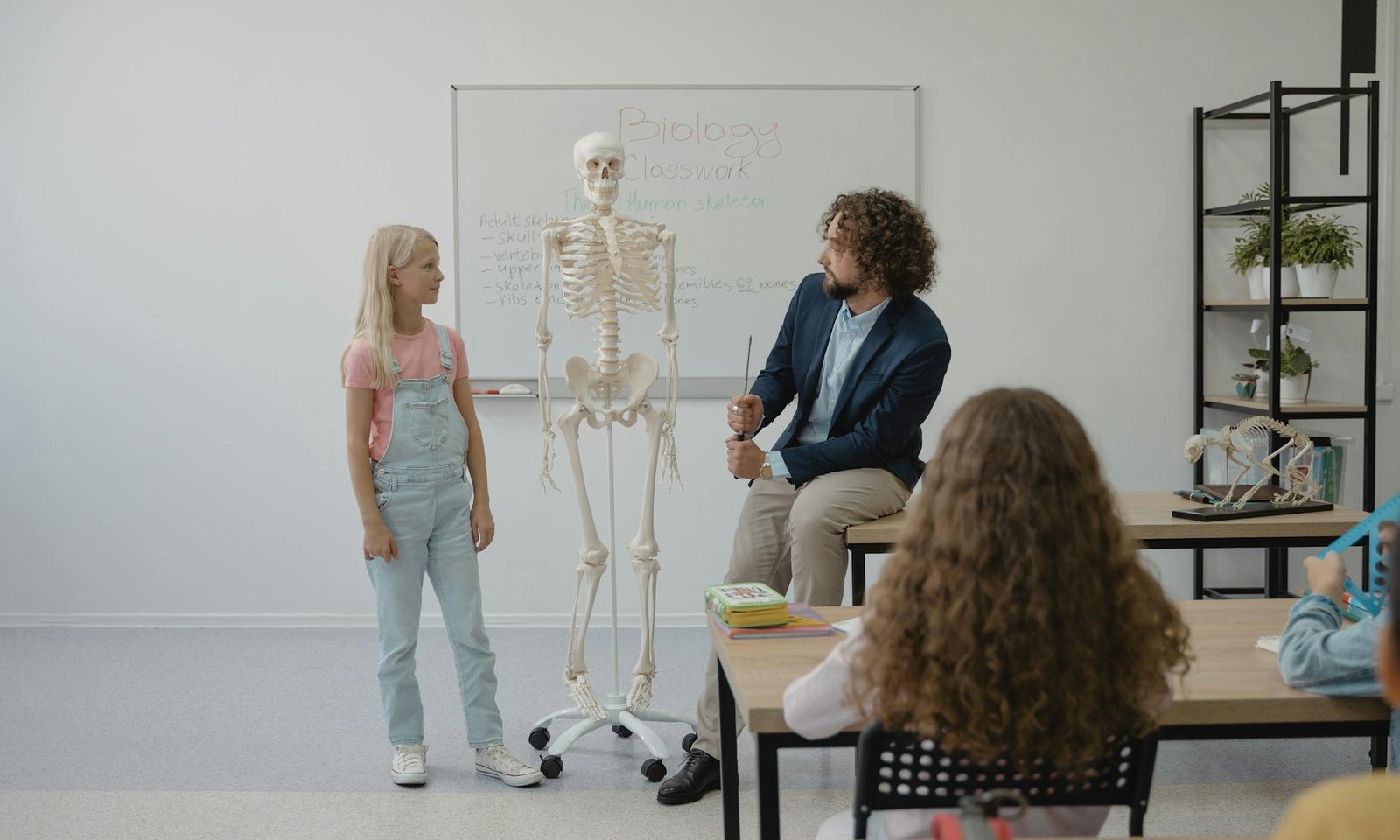
Inorganic Chemistry includes topics where correct terminology, relationships and observations matter. Students can feel overwhelmed by facts when they do not understand how ideas connect. A tutor can create comparisons and simple concept maps while explaining the limits of each pattern. The aim is not to invent shortcuts that replace the syllabus, but to help learners organise required knowledge. A student should be able to describe why an answer fits the question instead of reproducing a memorised line without context.
Short recall sessions can support retention, especially when older chapters return during school assessments. Ask the learner to write answers independently, then compare them with the expected language and correct any scientific inaccuracies. A tutor who checks understanding through varied questions can spot weaknesses early. Parent feedback should describe which ideas are improving and what the learner still needs to revise, rather than promising that every examination question will be easy.
Choosing between school Chemistry support and JEE or NEET preparation

School Chemistry and entrance-exam preparation overlap in subject knowledge, but they are not identical tutoring requirements. A student preparing for a school board may need guidance on written explanations and prescribed practical concepts. A learner preparing for JEE or NEET may need specialist experience with the relevant question types, pace and revision methods. Parents should state both goals clearly when requesting a Chemistry tutor so the right type of teaching experience can be considered.
Ask a proposed tutor to explain how time will be divided between conceptual understanding, practice and review. The answer should reflect the student’s current level and school workload, not a universal formula. Families should verify specialist experience rather than assume that every Chemistry teacher offers entrance coaching. Extra sessions should leave sufficient time for independent work and rest. No responsible provider can guarantee an exam rank or admission.
CBSE, ICSE, IB and Cambridge Chemistry: why the board matters
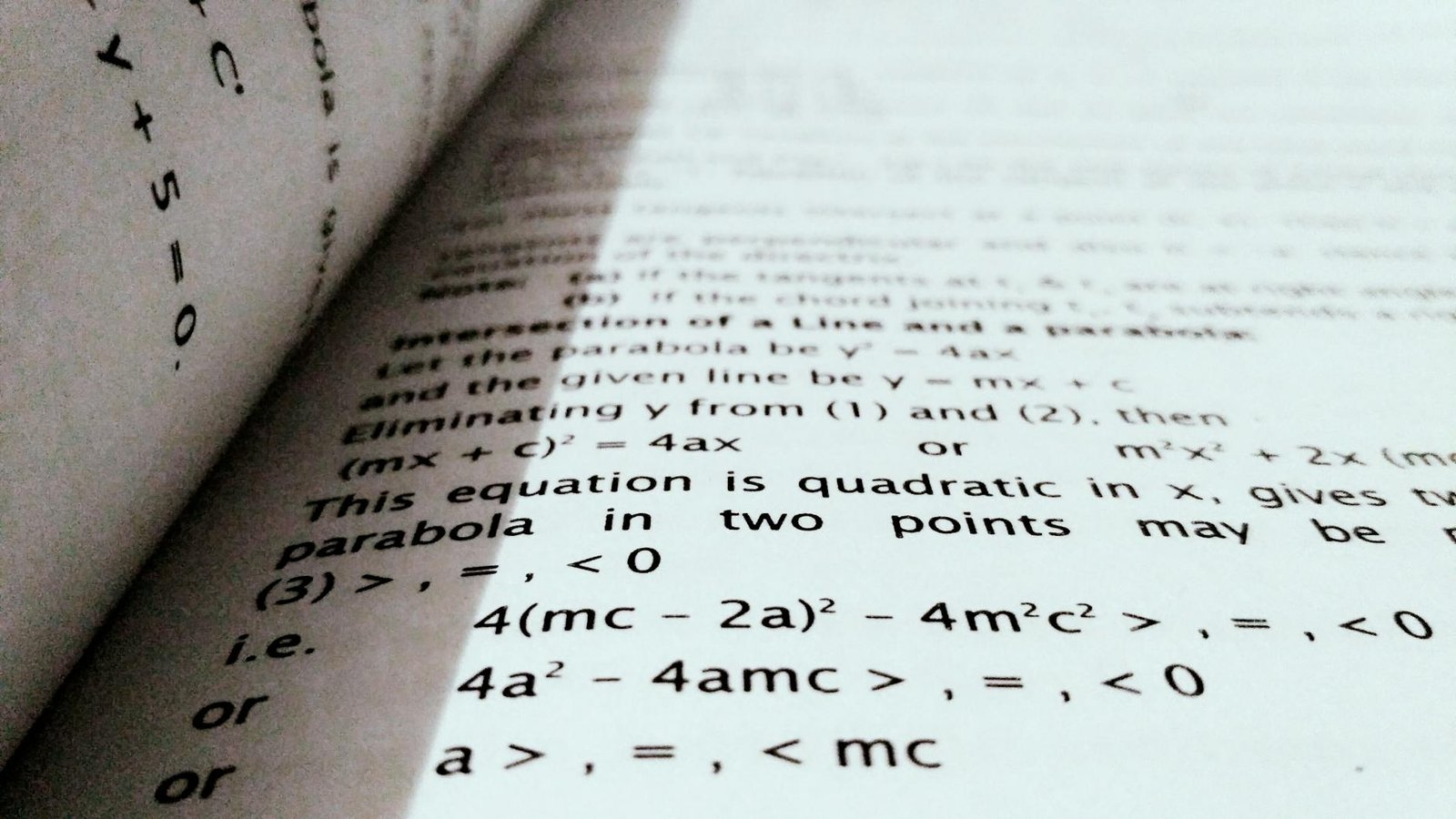
A Chemistry teacher should understand the specific curriculum the learner follows. CBSE, ICSE, IB and Cambridge programmes may differ in the sequence of topics, depth of treatment and assessment expectations. Even within one board, students need to follow current school instructions. During an enquiry, share the class, board, recent chapter list and prescribed books. Ask whether the teacher has relevant experience and how practice will be matched to the actual course.
Families using CBSE can refer to CBSE Academic for published curriculum information and NCERT for educational resources where applicable. Learners from other boards should consult their school’s official materials. A suitable tutor adapts explanations to these sources rather than promising that the same notes will work for every child. Confirm board familiarity before committing to recurring lessons.
How to evaluate a Chemistry tutor’s subject knowledge

Academic qualifications and years of teaching may be relevant, but they do not by themselves show whether a tutor is right for a particular learner. Ask a prospective Chemistry tutor to explain a topic the student currently finds difficult. Notice whether they start with what the child understands, use correct terminology and change the explanation if the first example is unclear. For senior classes, ask which subjects and boards the teacher teaches regularly and whether numerical practice is part of the proposed lessons.
Look for evidence of careful correction, realistic lesson planning and respect for questions. A good tutor should be willing to explain how students will practise independently and how parents can review progress. References can be discussed where available. Avoid selecting only on promises of high marks or a large number of advertised subjects. Chemistry is a specialist discipline, and the student’s level and learning needs should lead the decision.
Questions to ask during a demonstration lesson

A demonstration is useful when it shows actual teaching rather than only introducing the service. Give the prospective Chemistry tutor a difficult textbook problem or a concept the student could not explain at school. Observe whether the tutor asks diagnostic questions, breaks the problem into steps and gives the child time to attempt another example alone. A helpful teacher responds calmly to an incorrect answer and checks the underlying misunderstanding before moving ahead.
After the lesson, ask the student what became clearer and what still needs help. Also discuss weekly frequency, subject coverage, tutor travel, fees and parent communication. Older Best Home Tuition pages have advertised free demonstrations, but families should confirm the current offer and any conditions directly. A single demo cannot guarantee long-term results, but it can help reveal teaching clarity, patience and whether the child feels comfortable participating.
Practical work and laboratory safety in Chemistry learning

School Chemistry includes observations and concepts that are often easier to understand when supported by safe, school-approved demonstrations, diagrams or videos. A home tutor can explain what an experiment is designed to show and how the observation connects to the course. Practical activities must follow appropriate supervision and safety rules. Families should not assume that chemicals, flames or laboratory equipment are suitable for home use simply because a topic is described in a textbook.
Where school practical experience is required, students should follow their institution’s authorised facilities and instructions. The tutor can still help with the scientific principles, diagrams, terminology and interpretation of results using safe educational materials. A clear explanation of how to record an observation and draw a conclusion can be valuable for written work. The goal is understanding and responsible practice rather than performing unnecessary experiments at home.
Panchkula sectors and practical Chemistry tutor availability

Families enquiring from Panchkula sectors, MDC, Amravati and nearby neighbourhoods should share a general location and available lesson times. Travel can affect punctuality, particularly when a tutor teaches multiple students after school. A Chemistry specialist may be a good academic match but unable to reach the family reliably at the requested hour. It is better to discuss realistic travel and timing before confirming lessons than repeatedly reschedule later.
For a wider local overview, parents may read the Panchkula home tutor guide or the MDC Panchkula tuition page. These pages help explain enquiries but do not establish current availability in every locality. Share a complete residential address only when a suitable direct arrangement is being discussed, not in a public comment.
Private Chemistry tutor fees: what changes the price?

Private tuition fees can vary according to the class, board, topic difficulty, teacher experience, weekly frequency, lesson duration and travel distance. A Class 9 foundational Chemistry requirement is different from specialist Class 12 or entrance-exam preparation. Without a current quote for the actual student, a universal price range would be misleading. Ask Best Home Tuition to explain the complete teaching arrangement and whether one or more specialists would be required.
Before starting, clarify payment timing, how missed classes are handled, rescheduling rules and any notice needed for discontinuation. Written details reduce misunderstandings. A higher rate does not guarantee a better teaching approach, and a lower rate does not help if lessons are irregular or the subject fit is poor. Families should compare relevant expertise, dependable attendance and a realistic learning plan alongside cost.
Online Chemistry tuition versus an in-person specialist

An in-person Chemistry tutor can work directly with handwritten problems and discuss questions face to face. Individual online tuition may provide access to a specialist when travel is difficult or a different schedule is needed. The best format depends on the student’s age, concentration, topic and available technology. For online numerical or structural Chemistry, the tutor should be able to display written workings and diagrams clearly rather than rely on voice explanations alone.
Parents can check the quality of audio, internet stability and how questions will be reviewed between lessons. A short sample class can show whether the learner is comfortable using the proposed tools. The site’s online home tuition guide discusses practical setup. Neither teaching format guarantees academic results. Independent problem solving, consistent feedback and a sustainable timetable remain essential.
Using school tests to identify Chemistry learning gaps

Instead of treating a low Chemistry score as a single problem, a tutor can sort mistakes into useful groups. Some answers may reveal a missing concept, others an inaccurate term, an incorrect unit, a calculation slip or incomplete written reasoning. A quick review of two or three recent tests can show which errors recur. This helps determine whether the next lesson should revisit a foundational idea or practise the type of questions used in school assessments.
Families can ask for a concise progress record: the difficult chapter, the skill being practised and an example the student can now solve independently. Keeping the records simple makes it easier to review progress without creating more paperwork than teaching. If the same difficulty persists, discuss a new explanation or a slower pace. More worksheets do not automatically solve a misunderstanding.
A four-week Chemistry learning plan parents can review

In week one, inspect the student’s current textbooks and tests, then set two or three specific goals. These might include interpreting chemical equations, reducing errors in numerical working or explaining a scientific process clearly. Keep a short sample of independent work. During week two, give targeted lessons and practise the weak skill using carefully chosen questions. In week three, return to the same idea with unfamiliar examples so the student must apply understanding rather than memorise an earlier solution.
In the fourth week, compare questions of similar difficulty and ask the learner to explain what has changed. Parents can review confidence, independent study habits and repeated errors as well as test results. If progress is limited, adjust the teaching method or revisit prerequisite material. A thoughtful tutor should describe the next achievable goal instead of promising that every student will reach the same marks within a fixed period.
Helping students build Chemistry study habits between lessons

Private tuition works best when the learner practises independently between sessions. Short revision of notes, a few carefully selected questions and an error notebook can help students remember concepts after a lesson. Chemistry often involves linked ideas, so returning to earlier topics helps when a new chapter depends on them. Ask the tutor for a manageable amount of practice that fits school homework rather than a large additional workload intended only to show activity.
Parents can support the routine by providing a quiet study space and asking what idea was learned instead of only asking how many exercises were completed. Encourage the child to attempt a question before asking for assistance. A good tutor makes it acceptable to say that an explanation was confusing. The aim is greater confidence and independence, not dependence on a teacher to finish each assignment.
Common Chemistry tuition questions from Panchkula parents

Can Class 9 or 10 students request Chemistry help? Families can enquire about the relevant Science curriculum, subject to teacher availability. Can a Class 12 student request specialist Chemistry? Yes; share the board and difficult chapters so subject expertise can be assessed. Is a demo guaranteed free? Confirm the current offer and terms directly. Can I request a male or female tutor? State your preference while considering relevant experience and the student’s comfort.
Do Chemistry tutors cover JEE or NEET? Specialist exam preparation requires separate confirmation of expertise. Does a tutor travel to MDC? Share the general locality and schedule so feasibility can be checked. Can tuition happen online? Ask about individual online options. What should be ready for the first class? Textbooks, recent school tests, written mistakes and a list of confusing topics. Fees and tutor assignments depend on the actual requirement.
Contact Best Home Tuition for Chemistry support

Parents can begin an enquiry by sharing the student’s class, board, Chemistry topics, Panchkula locality, available days and preferred teaching time. Mention whether the main concern is foundational Science, Class 11 concepts, Class 12 numerical practice or specialist preparation for JEE or NEET. This information helps identify what teaching experience is appropriate and whether a realistic timetable could be arranged.
Best Home Tuition can discuss options at 8872339669, subject to tutor availability and confirmation of fees and conditions. Families may also refer to Chemistry home tuition guidance for general subject information. Before making a commitment, discuss how independent understanding will be assessed and when parents can expect a progress review. The goal is reliable, age-appropriate academic support rather than unsupported guarantees.
BEST HOME TUITION – PANCHKULA CHEMISTRY
Need a Chemistry private tutor? Share class, board, difficult chapters, sector and preferred time.
Mobile: 8872339669
Call Best Home Tuition WhatsApp Your Requirement
Actual subject specialist, fees and any demo depend on confirmation.
