Home Tutor in Zirakpur | Classes 1–12 & Local Areas

Home Tutor in Zirakpur — Best Home Tuition helps parents enquire about one-to-one school tuition for Classes 1–12, including Maths, Science, English, Physics, Chemistry, Biology, Accountancy and Economics. Tell us the student’s class, board, subject and Zirakpur neighbourhood; any suitable tutor, timing, fee and demo terms must be confirmed directly.
Use this parent-friendly guide to compare teaching approaches, plan realistic lessons, check school curriculum resources and understand what to ask before starting. The goal is steady learning and more independent study, not guarantees of marks or ranks.
How to find a suitable home tutor in Zirakpur
Finding a home tutor in Zirakpur begins with your child’s learning needs, not a list of advertised qualifications. Tell Best Home Tuition the class, education board, school subjects, preferred days and a locality such as VIP Road, Dhakoli, Baltana or Peer Muchalla. Also describe the main concern: difficulty with concepts, unfinished schoolwork, exam preparation or the need for a more consistent study routine. These details help identify the kind of teaching approach to look for. A tutor who suits an early reader may not be the right person for senior-secondary Physics.
Ask a prospective tutor to explain how they would assess the learner before beginning regular sessions. Good signs include patient explanations, a willingness to inspect recent work, and questions about what the child already understands. A teaching demonstration is useful because it shows whether the learner can ask questions freely. Avoid relying on promises of guaranteed marks. Suitable teaching, consistent practice and communication with parents are better foundations for making progress.
Which classes and subjects can families enquire about?

Parents looking for individual tuition can enquire about primary learning, middle-school subjects and senior-secondary subject specialists. For Classes 1 to 5, commonly requested help includes reading, writing, spelling, mathematics, EVS and school homework. For Classes 6 to 8, families often want stronger foundations in algebra, general science, English grammar, comprehension or social science. The exact school books and current syllabus should guide the study plan.
For Classes 9 and 10, separate support may be useful for Mathematics, Science, English and Social Science. Students in Classes 11 and 12 may need a tutor for Physics, Chemistry, Mathematics, Biology, Accountancy, Business Studies or Economics. Competitive preparation for JEE or NEET requires different expertise from ordinary homework tutoring. Ask specifically whether an appropriate specialist is available. Tutor suitability, schedules, locality and fees must be confirmed before a teaching arrangement is agreed.
Home tuition for Classes 1 to 5: build the basics

Primary-school children learn well when lessons move between short, achievable activities. A useful session might begin with reading a small passage, describing its meaning, practising a few sums and writing two or three sentences independently. A tutor can use everyday objects to explain place value, division or fractions. The aim is to understand the idea behind the answer. Copying pages of completed work may keep a notebook tidy but does not show whether the learner can solve a new question alone.
Parents can ask for a short weekly note about one skill that improved and one that still requires practice. For example, a Class 3 child may read accurately but struggle to answer comprehension questions. The tutor can then focus on finding evidence in a paragraph rather than simply assigning longer reading homework. Tuition should allow time for play, family activities and rest. A calm environment encourages the student to ask questions and try again after making a mistake.
Classes 6 to 8: close gaps before they become bigger

Middle-school lessons introduce ratios, integers, equations, scientific explanations and longer written answers. If a child struggles with algebra, the underlying issue may be fractions or the meaning of negative numbers. If science answers are vague, the learner may know the idea but need practice describing observations and causes. An effective tutor identifies the exact missing skill, teaches it with examples and then asks the child to work through a fresh question without hints.
Make independent practice part of the arrangement. A simple approach is a short review of the previous lesson, a new explanation, a few guided examples and a final question attempted alone. Encourage the student to keep a notebook of doubts for the next session. Families can compare the learning plan with school chapters rather than asking the tutor to race ahead. Building habits now can make the transition to Classes 9 and 10 less stressful.
Class 9 and Class 10 Mathematics: prepare with understanding

Mathematics improves through problem solving, careful written steps and correction of mistakes. For Class 9, a tutor may need to reinforce linear equations, geometry, statistics or algebraic identities before advancing. For Class 10, the plan should reflect the student’s actual board and current syllabus, with attention to familiar and unfamiliar question types. It is often more effective to solve a small set of problems thoughtfully than to copy many solutions without understanding.
Ask the tutor to explain why an approach works and invite the learner to try a different method where appropriate. Maintain an error notebook with the question, the incorrect step and the corrected reasoning. Once a week, practise without looking at notes so the student learns to work independently under light time pressure. Parents should judge progress by the ability to handle new questions and explain reasoning, not simply by the number of worksheets finished.
Science tuition: Physics, Chemistry and Biology

Science teaching should combine concepts, diagrams, practical examples and concise written explanations. In Physics, a child might first explain motion or electric current in plain words before practising formula-based questions. In Chemistry, the learner should understand symbols, reactions and the reasoning behind equations rather than memorising strings of facts. Biology often requires labelled diagrams, precise terms and connections between structures and functions.
For Class 9 and 10 Science, use the school’s textbooks and the current board syllabus to decide which topics need the most attention. For Class 11 and 12, ask whether the proposed tutor has subject-specific teaching experience at that level. One teacher may be strong in chemistry but not necessarily suited for advanced mathematics. A practical tutor will review mistakes from school tests, show how to improve written answers and revisit foundational ideas as needed.
Class 11 and 12: PCM, PCB and commerce streams

Senior-secondary classes become more demanding because each subject introduces greater depth. Students taking Physics, Chemistry and Mathematics may benefit from separate time for concept explanation and numerical practice. Students in Physics, Chemistry and Biology need to understand scientific processes, recall precise terminology and work with diagrams. A lesson plan should recognise the difference between school assessment preparation and specialised entrance-exam coaching.
Commerce students may need a different approach. Accountancy develops through understanding entries, ledgers and financial statements before working on lengthy exercises. Economics often requires clear diagrams, terms and interpretation. Business Studies benefits from well-structured answers and examples. When requesting home tuition in Zirakpur, explain the exact combination of subjects and whether you prefer one tutor or specialists for different subjects. The right arrangement depends on availability and the student’s needs.
English, Social Science and language support
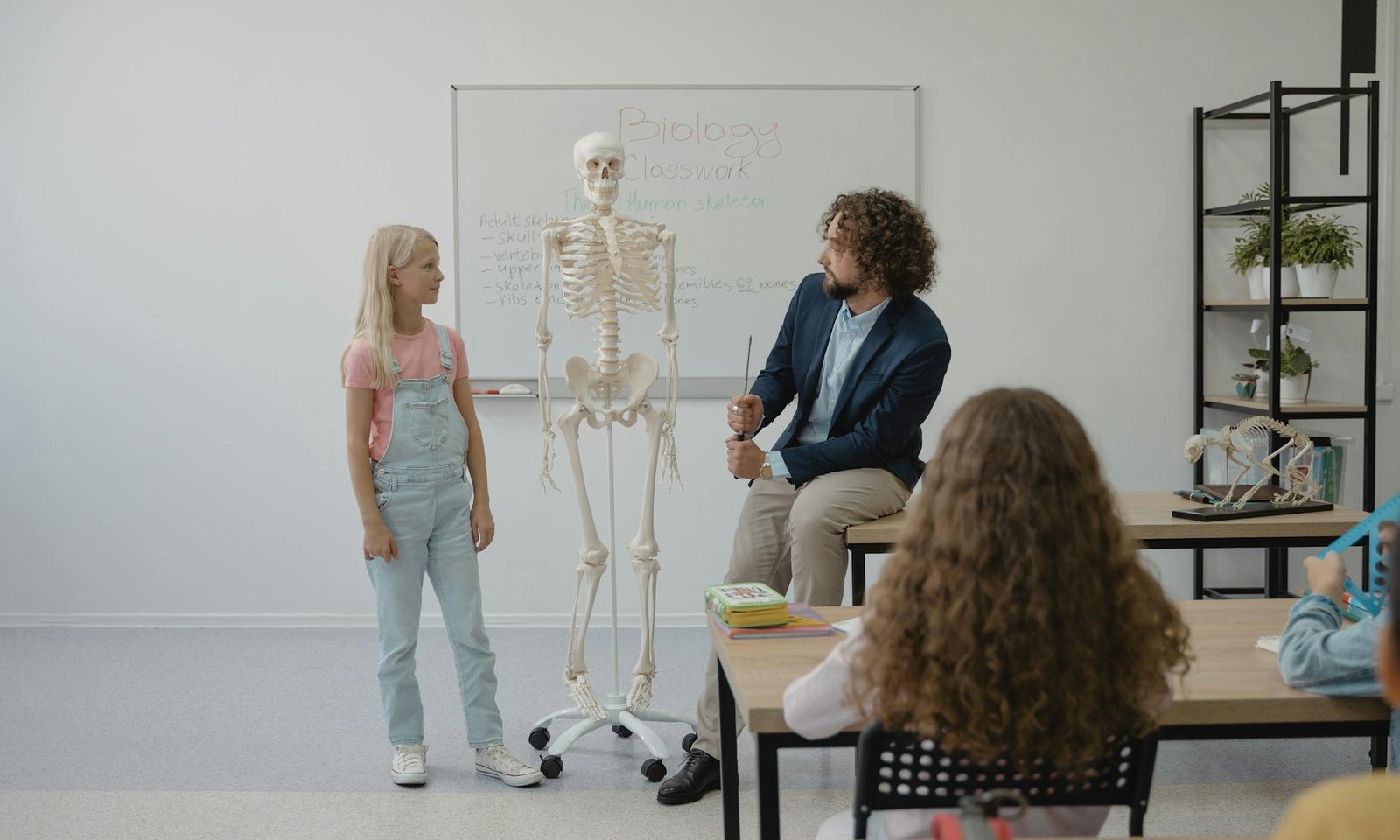
English tuition is not only about grammar worksheets. A useful lesson may involve reading a short passage, identifying its main idea, learning relevant vocabulary and writing a response with a clear beginning and conclusion. Students preparing for school examinations also need to understand question instructions, manage their time and proofread their answers. Speaking activities can help shy learners develop the confidence to explain a viewpoint in their own words.
Social Science often improves when students connect facts with causes, timelines, maps and short written explanations. A tutor can help a learner turn textbook information into organised answers without relying entirely on memorisation. Families can also enquire about language help such as Hindi or Punjabi, depending on the tutor’s expertise. State the actual board and textbook so the prospective teacher can discuss the requirements accurately.
Where in Zirakpur can I request a tutor?

Families across Zirakpur commonly refer to localities such as VIP Road, Dhakoli, Baltana, Peer Muchalla and adjoining residential communities when arranging in-person lessons. Travel matters: a tutor who is suitable academically still needs a realistic route and enough time to arrive punctually. Share a specific locality and approximate landmark privately during the enquiry, along with preferred time after school. There is no reason to publish your complete home address in a public comment.
Availability is not guaranteed in every colony or for every subject. Parents may also compare home tutors in Mohali and home tuition in Panchkula where travel and matching are practical. If the right teacher cannot travel, individual online lessons may be worth considering. Always confirm where teaching will take place, lesson frequency and arrangements if either party needs to reschedule.
CBSE, ICSE and other curricula: ask the right questions

Board-specific familiarity matters because textbook order, terminology, assessment patterns and required answers can differ. When contacting Best Home Tuition, mention whether the learner follows CBSE, ICSE, an international curriculum or another board. Share the name of the school book and the chapter where help is needed. The proposed tutor should be able to explain how they will use these materials, rather than assume that one standard worksheet fits every student.
For curriculum documents and academic resources, families can consult the official CBSE Academic website, the NCERT website and the relevant school or board notices. These sources help parents check what students are expected to study. Teachers should adapt the plan to official guidance and the child’s actual schoolwork. Avoid relying on outdated examination tips shared without a source.
How a useful home tuition demo should work
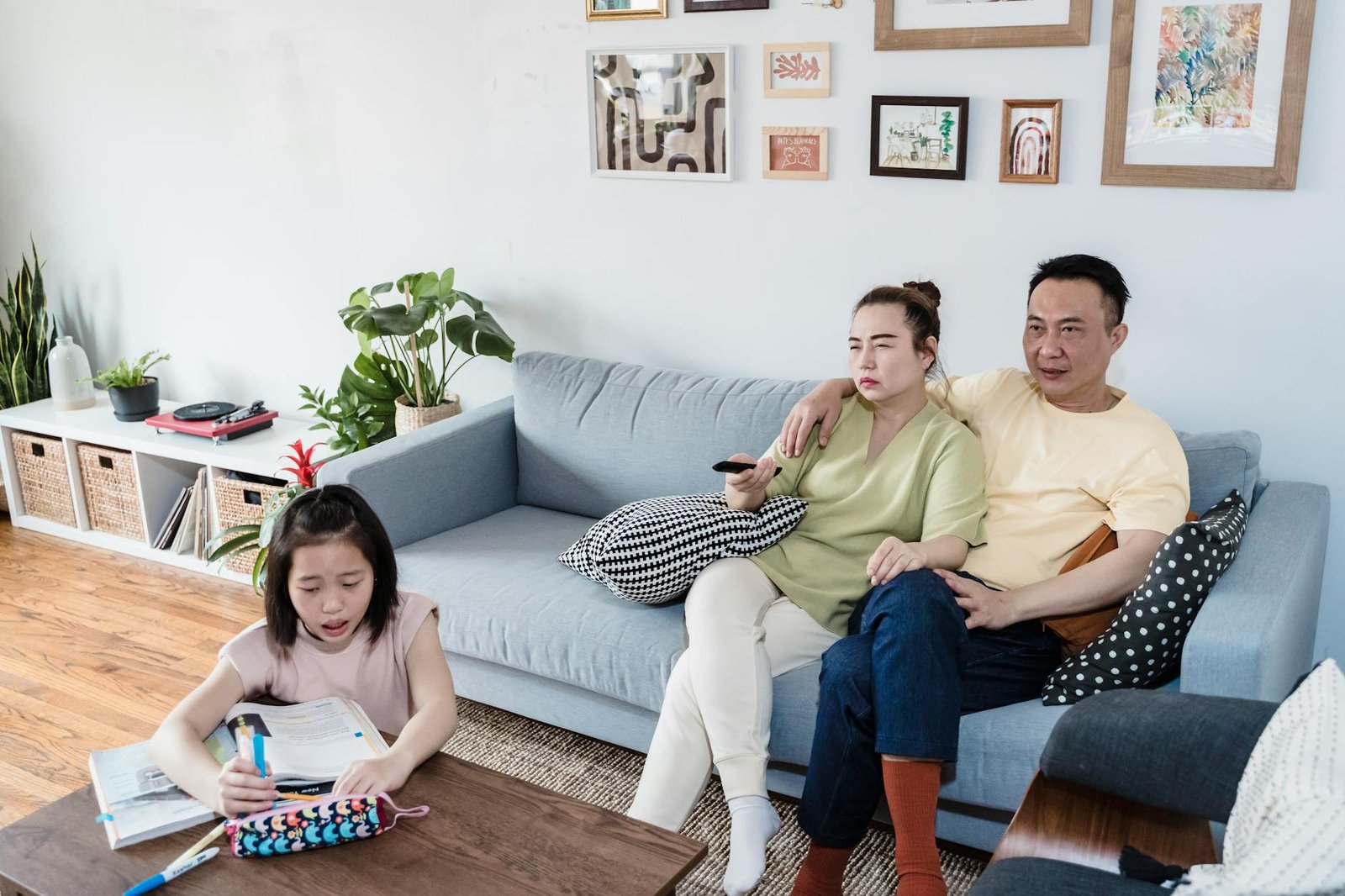
A demonstration is most valuable when it shows actual teaching. Before the session, choose one topic the student finds difficult and provide a recent textbook exercise. Observe how the tutor asks questions, explains the concept, handles a wrong answer and checks understanding. The child should have the chance to attempt at least one new problem independently. After the lesson, ask the student whether the pace felt comfortable and which part was still confusing.
Ask whether a demonstration is currently offered and whether it is chargeable. Confirm directly whether a complimentary demo applies to your required subject, locality and current booking conditions. Clarify the expected duration and whether any travel or other charges apply before making commitments. A demonstration does not guarantee a perfect long-term fit, but it can help families compare clarity, patience, punctuality and communication. Decide based on teaching quality rather than on a dramatic promise.
Fees, session duration and payment arrangements

Home tuition fees depend on several practical details: class level, subject difficulty, teacher experience, frequency, lesson duration, travel distance and whether instruction is individual or shared. Ask for the complete terms in writing rather than comparing a single hourly figure. Find out how many lessons are planned each week, whether materials are included, when payment is expected and what happens if a class is missed because of illness or a school event.
Also clarify how much notice is required for rescheduling or discontinuation and who should be contacted if a concern arises. If several subjects are involved, confirm whether one tutor teaches them all or different tutors attend. Parents should avoid assuming that a higher fee automatically means better teaching. Value depends on appropriate expertise, a clear learning plan, reliable attendance and evidence that the child is becoming more independent.
A four-week tuition plan parents can actually measure

In week one, the tutor can inspect recent tests, listen to the student’s explanation of difficult topics and set two or three realistic goals. A maths goal might be solving linear equations with fewer sign errors; an English goal might be producing a clear paragraph without repeated prompts. The plan should be small enough to track. Record a starting example so the family can compare work later using similar difficulty, not just a different test score.
In week two, introduce targeted practice and correct recurring misconceptions. In week three, revisit earlier lessons and ask the learner to complete new questions independently. In week four, review sample work and agree on what comes next. The plan can change if an unexpected gap appears. Parents should ask what the student can now do without help and which skills still need support. That evidence is more useful than a vague claim that the child is improving.
How parents can support learning without adding pressure

Home tuition works best when the child receives consistent encouragement and a manageable routine. Set a quiet place for study, keep essential books nearby and allow a short break after school. Ask what was learned in the lesson instead of immediately asking how many questions were completed. A learner who feels safe admitting confusion is more likely to correct misunderstandings early. Avoid comparing siblings or classmates because students may need different teaching methods and different amounts of time.
Keep communication with the tutor brief but specific. Useful questions include: Which topic caused difficulty this week? What should the student practise alone? Is the current pace realistic? Does school homework leave enough time for sleep? For younger learners, ensure an appropriate adult is present or aware of teaching arrangements. Respect the tutor’s role while remaining involved in the child’s progress.
Individual online tuition versus in-person lessons

In-person tuition can be useful when a child benefits from face-to-face attention, paper-based exercises and a familiar home setting. Online individual lessons may offer more scheduling flexibility or access to a specialist when a local match is not available. Neither format automatically produces better results. The best choice depends on the student’s age, attention span, subject, internet reliability and ability to work independently.
For online learning, check that the tutor can share diagrams and written solutions clearly, that audio is easy to understand and that the student can ask questions. A quick test lesson can reveal whether the digital format works well enough for mathematics or science. For in-person tuition, confirm travel reliability and a suitable study space. Discuss alternatives if the child repeatedly struggles with the chosen format rather than continuing only because it was selected first.
Questions to ask a prospective home tutor
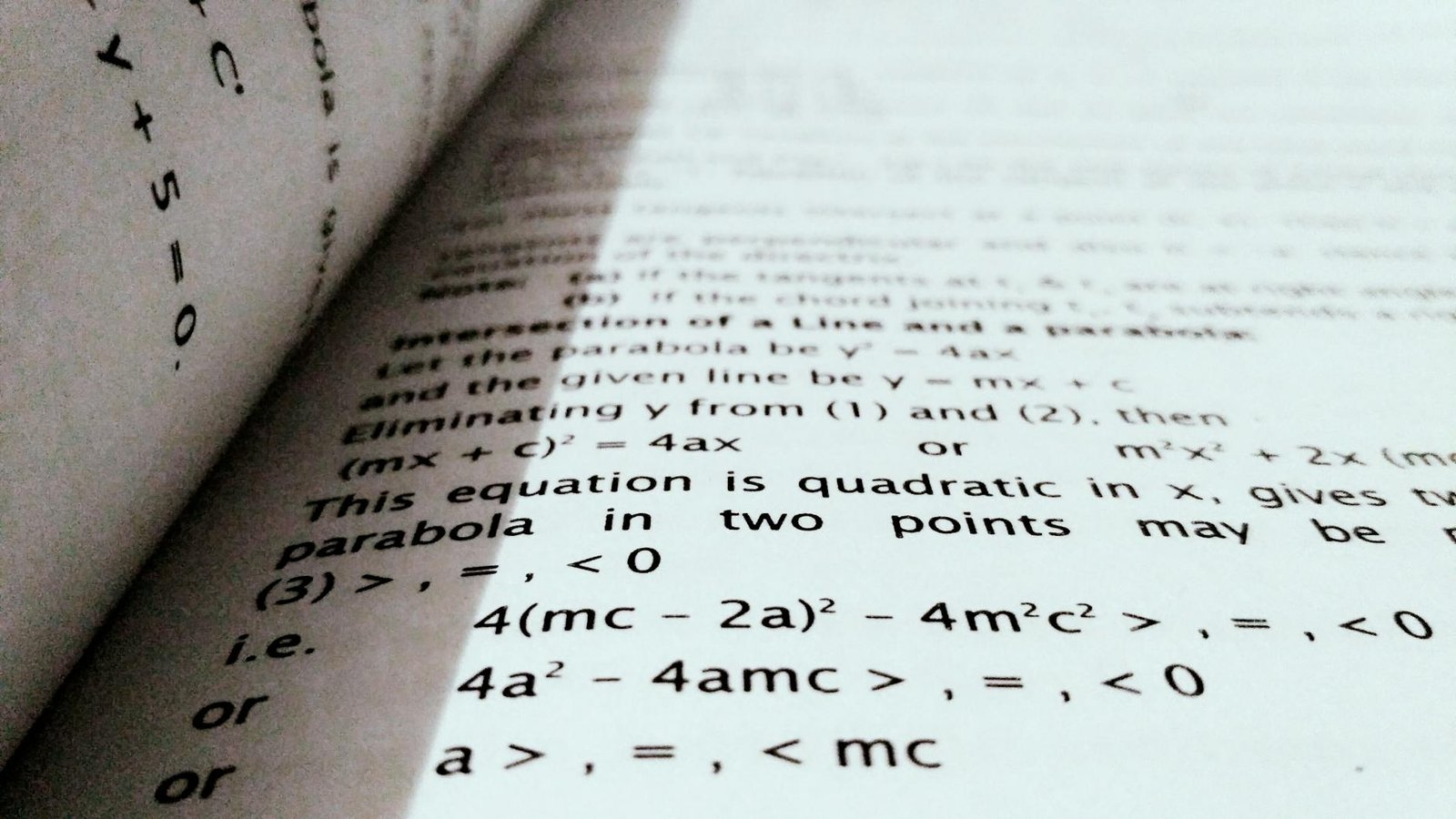
Parents can prepare a short checklist before agreeing to lessons. Ask which classes and boards the tutor commonly teaches, how learning gaps are assessed, how much independent practice is expected, how homework is handled and how progress will be shared. Ask for a sample explanation on one actual school topic. If a student needs support across different subjects, check whether the teacher has genuine expertise in all of them. For entrance examinations, request specific experience with the relevant examination rather than assuming general tuition is sufficient.
Discuss lesson timing, punctuality, the method of communication with parents and what happens if the teacher is unavailable. Where appropriate, request qualification details and references that can be checked. A good match respects boundaries, provides age-appropriate teaching and welcomes reasonable questions. The aim is to find reliable help for the student’s situation rather than to select the first available name from a directory.
Common tuition mistakes and how to avoid them

A common mistake is asking a tutor to cover too many chapters too quickly. This can create the appearance of progress while leaving foundational weaknesses unresolved. Another is measuring success only by homework completion or memorised answers. Instead, review whether the child can solve a fresh problem, explain a concept and correct an error without prompting. Short revision sessions help retain earlier material. Encourage honest reporting when a lesson felt confusing.
Parents should also avoid assuming every well-advertised teacher is suited to every board, age group or subject. A gentle primary tutor may not be the right fit for specialised Class 12 Physics, while a highly technical subject expert may need a different approach for young children. Match teaching experience to the learner’s actual requirements. Review arrangements periodically and adjust the teaching method if the student is not developing confidence or understanding.
Frequently asked questions about home tutors in Zirakpur

Can I request a male or female tutor? You can share a preference when enquiring. An available match depends on the subject, class, time and location. Can I ask for a Class 10 maths or science teacher? Yes, explain the specific subject, board and areas requiring help. Availability should be confirmed before booking. Does tutoring cover Class 11 and 12? You can enquire about PCM, PCB and commerce subjects. Ask about the tutor’s relevant subject expertise.
Is there a free demo? Ask about any currently available demonstration and the applicable conditions. Do tutors travel to VIP Road or Dhakoli? Provide your locality and times so travel feasibility can be checked. Do I have to buy new books? Start with school-approved materials and ask the teacher whether anything else is necessary. How soon will marks improve? There is no reliable guaranteed timeline. Review understanding, independence and comparable work over several weeks.
Contact Best Home Tuition for a Zirakpur tutor

To enquire, share the student’s class, board, subjects, Zirakpur locality, preferred days, approximate lesson times and whether you want in-person or online individual tuition. Mention one or two topics causing difficulty so a prospective tutor can discuss an appropriate approach. Ask about matching, availability, fees and the current demonstration policy before confirming anything. You can also consult the Best Home Tuition in Zirakpur service page or the parent’s Zirakpur tutor-selection guide for more local context.
Best Home Tuition aims to help families discuss a suitable learning arrangement without promising a particular examination score. Clear expectations at the outset make it easier to assess teaching fit and work together on a practical plan. Include the school syllabus if it is relevant, and keep detailed personal information private until a direct conversation. The next step is simply an enquiry; teacher assignments depend on confirmation of availability and suitability.
BEST HOME TUITION — ZIRAKPUR
Need a home tutor? Share your class, board, subject, locality and preferred teaching time.
Call +91 8872339669
Call Best Home Tuition Enquire on WhatsApp
Tutor availability, fees and demo terms are subject to confirmation.

2 Responses
[…] the detailed Mohali home tutor guide, Zirakpur home tutor guide and Panchkula home tutor information for local considerations. A family in Kharar or Manimajra […]
[…] can check Mohali tutors and Zirakpur tutor guidance. Provide a general locality in your initial enquiry and confirm actual availability before agreeing […]