Looking for a Chemistry home tutor in Panchkula? Best Home Tuition accepts enquiries from families seeking subject-specific in-home teaching, subject to suitable tutor availability. This practical guide focuses on how to select a visiting teacher, match board and class expertise, evaluate teaching, arrange safe lessons and discuss fees. It does not promise a particular tutor or examination result.
Quick answer: Tell us the student’s class, board, difficult Chemistry topics, Panchkula sector and preferred time. Confirm subject experience, travel, teaching method and payment terms before booking.
How to enquire about a Chemistry home tutor in Panchkula

A good Chemistry home tutor enquiry begins with the student’s present class, education board, challenging chapters and the Panchkula neighbourhood where lessons would take place. For a Class 9 learner, the request might involve basic chemical concepts taught in Science. A Class 12 learner may require someone familiar with quantitative Chemistry, organic structures or the school board’s written-answer expectations. Sharing the actual problem helps a provider discuss suitable experience rather than treating every Chemistry request as identical.
Best Home Tuition accepts enquiries about visiting Chemistry tutors, subject to teacher availability and travel. Families should state their preferred days or time window and whether the priority is everyday school support, board revision or specialist JEE or NEET preparation. Ask how the proposed teacher would identify weaknesses and review progress, and confirm any fees and demonstration terms directly. This page concentrates on selecting and working with an in-home specialist, not on guaranteeing marks or ranking tutors.
Which qualifications matter for a Chemistry tutor?
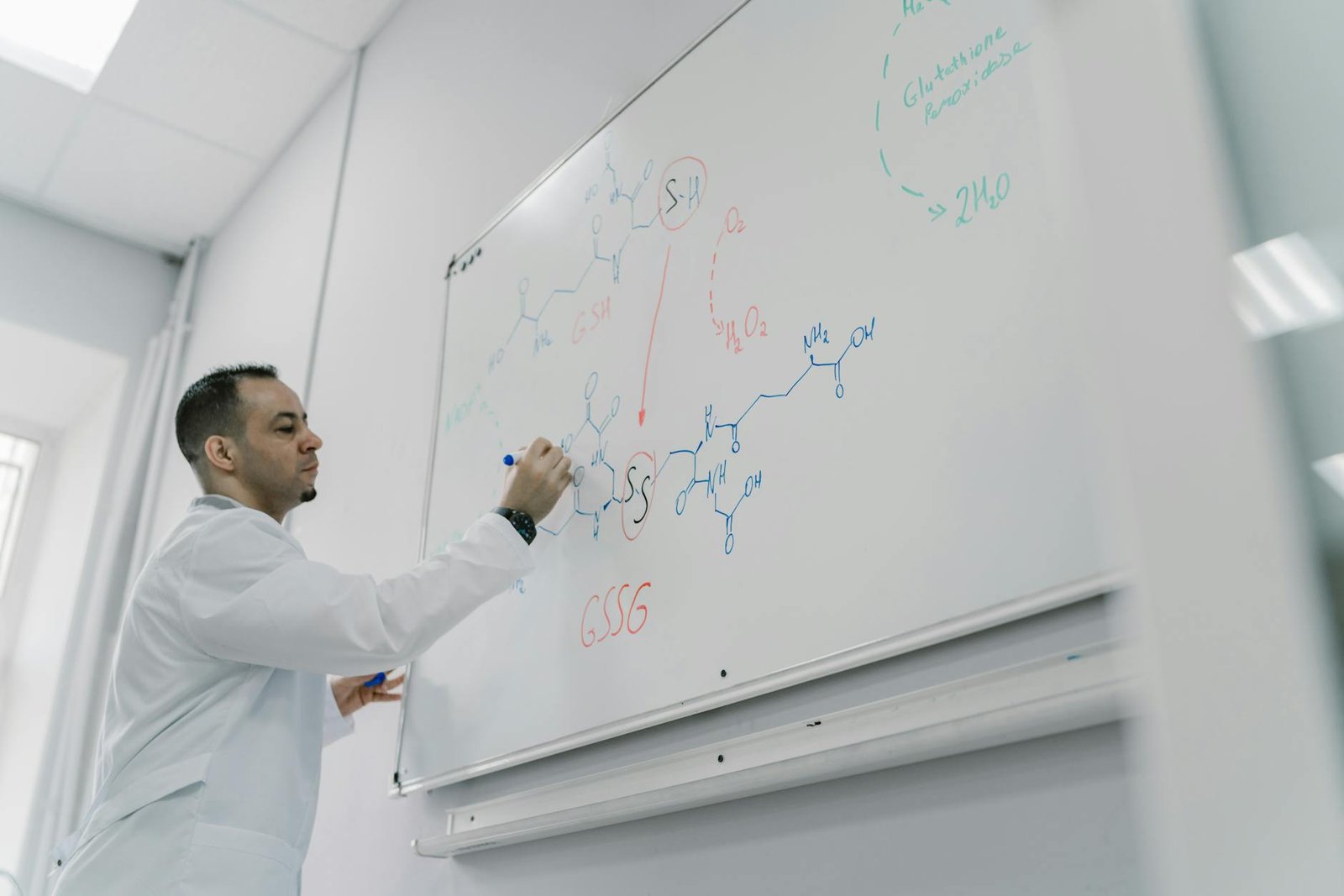
Parents can ask about a prospective teacher’s relevant academic background and recent teaching experience with the same class level. Knowledge of Chemistry matters, but experience explaining a topic to a school student matters too. A teacher who handles Class 10 Science confidently may not regularly teach Class 12 physical and organic Chemistry or specialist entrance-exam problems. Conversely, someone who works primarily with advanced students may need a different approach for younger learners. The precise class and board should guide the discussion.
Ask the tutor to describe how they introduce a difficult concept, identify a misconception and provide independent practice. Good communication includes accurate terminology, patience and a willingness to explain an idea differently when the first approach fails. Qualifications or references, where available, are helpful to review, but not substitutes for seeing teaching in practice. Avoid relying on promises of top ranks, fixed scores or unverified testimonials when comparing instructors.
How a Chemistry tutor can diagnose the student’s difficulty

A student may say that Chemistry is difficult without knowing exactly why. Recent school papers can help separate several problems: missing scientific concepts, confusion about symbols, weakness with ratios or algebra, and trouble writing a complete explanation. One learner might know the definition of a mole but struggle with numerical questions; another may calculate correctly yet be unable to interpret a chemical reaction. A home tutor should investigate the underlying cause rather than respond with the same large worksheet for every student.
Parents can prepare the current textbook, school notebook, one marked test and two or three questions the child found confusing. A short discussion or diagnostic exercise can reveal what the learner knows independently. The teacher can then propose a manageable first-month target, such as using symbols accurately or explaining a reaction in clear words. This helps families understand what tuition is intended to change, without unrealistic expectations about immediate marks.
What to observe in an introductory Chemistry teaching session

A useful introductory session should show real teaching. Give the prospective tutor a textbook example that the child could not solve and observe whether they check existing understanding before explaining a new idea. The teacher might draw a diagram, unpack the meaning of a chemical formula or work through a calculation with attention to units. The most informative moment often comes afterward, when the student is asked to try a fresh question without being led through every step.
Notice how the tutor responds to an incorrect answer. Respectful feedback and clear explanations are more valuable than making the child feel embarrassed. Ask the student whether they understood the explanation and felt comfortable asking questions. Older service material may mention complimentary demonstration classes, but current availability, duration and any charges must be confirmed directly. A single trial can inform the choice of teacher; it cannot establish guaranteed long-term results.
Class 9 Chemistry: choose clarity over advanced worksheets

Class 9 learners may encounter ideas about matter, atoms, molecules or chemical quantities within a general Science curriculum. A suitable visiting tutor should be comfortable translating scientific words into understandable explanations while remaining accurate. Simple models or diagrams can help pupils see differences between elements, compounds and mixtures. The level of detail should follow the learner’s school board, rather than automatically introducing senior-secondary work. A student who repeats a definition from memory should still be able to recognise the idea in another example.
A teacher can begin with a short explanation, ask a few concept questions and allow independent answers. If the child struggles with a numerical task, basic arithmetic or proportions may need revision. Parents can request a brief update about which idea is becoming clearer. The aim is a strong foundation and growing confidence, not a rushed attempt to complete advanced Chemistry chapters before the learner is ready.
Class 10 Chemistry: check knowledge of the current Science course

Class 10 Chemistry topics may include reactions, acids and bases, metals or carbon compounds, depending on the board’s prescribed curriculum. A home tutor should be able to explain how chemical equations represent changes and why balancing matters. Students may need practice with scientific vocabulary, written explanations and questions that are presented in a new way. A tutor who simply dictates model answers may leave the learner unable to reason independently during school assessments.
Ask how the teacher uses the student’s schoolbook, class tests and mistakes to plan revision. For CBSE learners, the official CBSE Academic website
Class 11 Chemistry: match the tutor to deeper concepts

Class 11 often introduces more abstract Chemistry ideas and a greater mathematical workload. A learner may need help connecting atomic structure, bonding, chemical quantities, equilibrium and other topics required by their board. Ask a prospective tutor whether they regularly teach the relevant course and how they would revisit earlier knowledge before introducing complex problems. Weakness in algebra, ratios or chemical notation can make an otherwise manageable chapter appear difficult.
An effective specialist can break a chapter into smaller goals and check whether the student can use the concept in unfamiliar questions. For numerical topics, ask whether the tutor explains the meaning of quantities and units before applying equations. Students should still have time to practise on their own between sessions. Parents may need to coordinate Chemistry tuition with the learner’s Physics, Mathematics or Biology workload, so an ambitious schedule should be discussed carefully rather than promised in advance.
Class 12 Chemistry: focus on actual board requirements
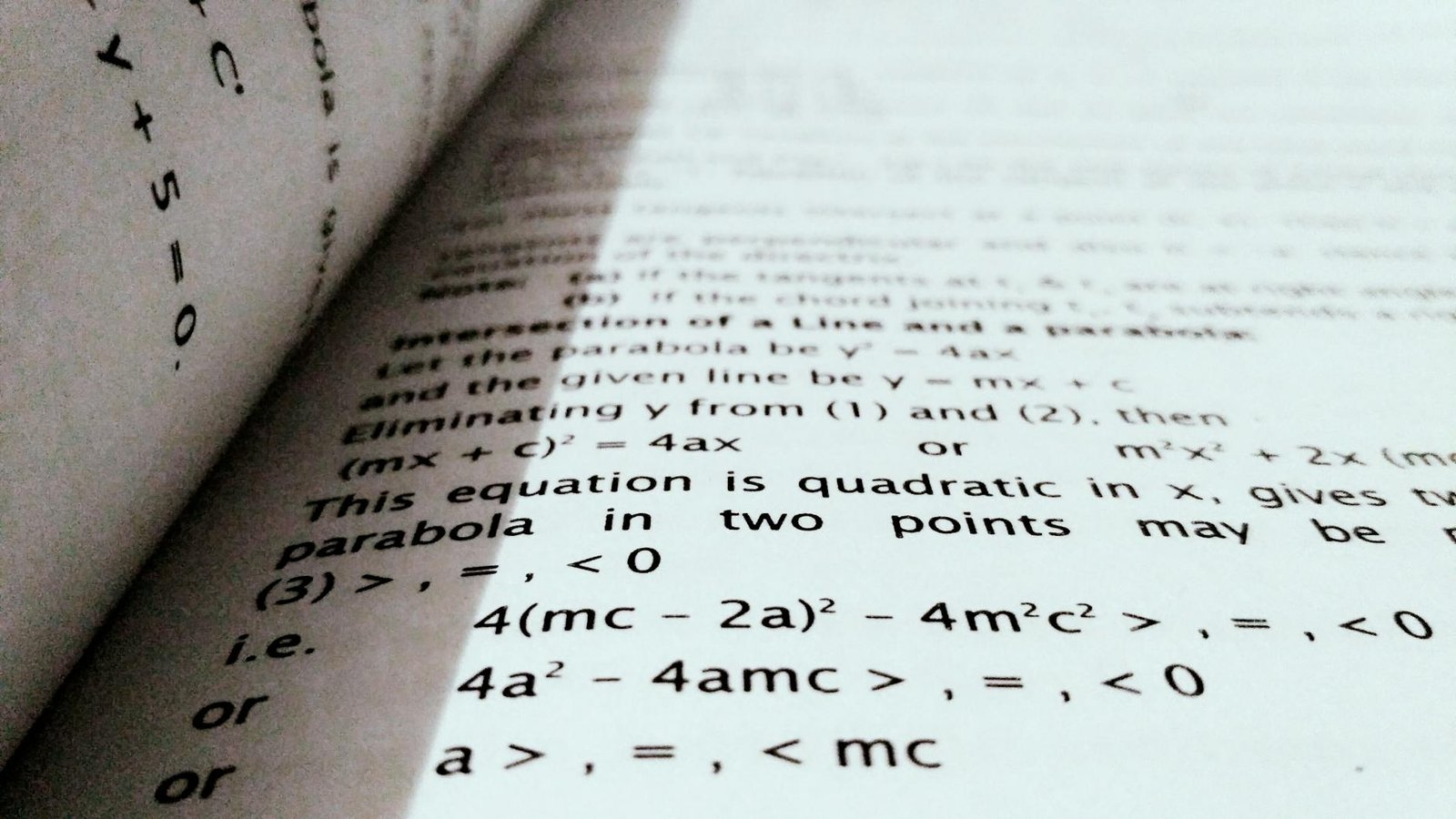
Class 12 students often combine calculations with interpretation of chemical structures and clear written answers. The right tutor should know the student’s current board syllabus and be able to review recent school-test errors. Some mistakes arise from a weak understanding of a chemical concept, while others involve inaccurate units, naming conventions or incomplete explanations. The teacher should identify which kind of error is recurring before selecting extra work.
Ask how the proposed tutor divides the timetable between present chapters and revision of older ideas. A practical arrangement might include concept explanation, independent questions and later review of mistakes. Near examinations, timed practice may help after understanding is secure. Parents can discuss realistic targets and the amount of practice expected between visits. No tutor can legitimately promise a fixed board result; progress is better reviewed through the learner’s independent work.
Organic Chemistry: ask how the tutor explains structures and reactions

Organic Chemistry can feel overwhelming when students are asked to remember many reactions without seeing the relationships among them. A suitable teacher should help the learner recognise functional groups, read structures and connect reaction types with relevant conditions at the level required by the syllabus. Parents can ask how the tutor would approach a confusing chapter. A good answer might mention concept maps, accurately drawn structures and new questions to check understanding, rather than promising a secret list of guaranteed examination reactions.
The student should be able to draw a structure independently and explain what changes in a reaction. Errors in naming or bonding may need correction before harder practice is useful. Short, repeated review can help learners see patterns and recall the right terms. Ask the tutor to use the prescribed school materials and avoid advanced explanations that are inappropriate for the learner’s present course.
Physical Chemistry: find a tutor who teaches numerical reasoning

Physical Chemistry often requires careful reasoning about quantities, units and relationships. A student who remembers an equation may still struggle to decide whether it applies or how to interpret the result. During an introductory conversation, ask how the tutor would teach a mole or concentration question. A useful approach is to identify what is given, define the unknown, choose the relevant principle, check conversions and assess whether the final answer makes sense. This method also helps locate mistakes.
For example, a learner working with a molar-mass question should understand why the relationship involves mass divided by molar mass, not simply copy numerical steps. A tutor can then change the substance or amount and invite another independent attempt. The teacher should be able to recognise when an underlying algebra or proportion difficulty needs attention. Consistent practice with explanations is more useful than completing many similar problems without understanding.
Inorganic Chemistry: organise information accurately

Inorganic Chemistry includes scientific facts and trends that students may find difficult to organise. Ask whether the tutor can explain the reasoning behind a pattern and clarify any exceptions relevant to the syllabus. Tables and comparisons may help learners connect properties, observations and chemical ideas. However, simplified memory tricks can lead to errors if they replace the required scientific explanation. A careful teacher should use accurate terminology and the current course material.
Students can practise a short answer, check which important idea is missing and rewrite it independently. Revisiting material after several days may support retention better than an intense last-minute memorisation session. Parents can ask how recurring mistakes will be tracked and whether new questions are used to check understanding. The teacher’s ability to explain a concept clearly matters more than the number of charts or notes produced during tuition.
Laboratory concepts require safe, supervised teaching

Chemistry home tuition should not turn a house into an improvised laboratory. The tutor can teach the purpose of an experiment, describe observations and help students interpret results through prescribed textbooks, diagrams and safe educational media. Work with hazardous chemicals, heat or specialised equipment belongs in suitable supervised environments, following school and local safety rules. Parents should not be expected to provide materials for unapproved home experiments.
Even without doing an experiment at home, students can learn to distinguish observations from explanations and write clear practical answers. A proposed Chemistry tutor should be able to discuss laboratory safety responsibly and follow the school curriculum. If a student requires assessed practical work, the appropriate school or authorised facility must provide suitable instruction and equipment. Safe teaching supports learning without unnecessary risk.
Check CBSE, ICSE, IB and Cambridge Chemistry experience

Chemistry courses are not identical across education boards. CBSE, ICSE, IB and Cambridge may vary in topic sequence, level of detail, practical expectations and types of written assessment. Parents should tell the tutor which board the student follows and provide the current chapter list or schoolbook. The teacher should explain whether they have recently taught comparable students and how they would adapt lesson materials. A worksheet that works for one curriculum may not suit another.
For CBSE, CBSE Academic and NCERT are official sources for relevant published education resources. Other students should consult their own school and board documentation. Curriculum alignment matters especially for senior classes and examination years, when unrelated material can take time away from necessary revision. Ask the proposed tutor to use these sources rather than broad assumptions.
JEE and NEET Chemistry: ask about relevant specialist experience

Some students need Chemistry tuition primarily for school, while others are preparing for examinations such as JEE or NEET. These purposes overlap but can involve different practice formats, depth and revision pace. If competitive preparation is required, name the examination and ask about the prospective tutor’s actual experience with that level. Do not assume that an excellent Class 10 Science teacher automatically teaches entrance-examination Chemistry. Parents should also consider the learner’s present concepts before choosing advanced question sets.
A tutor should explain how foundational knowledge, topic practice, error review and later timed questions would fit the student’s timetable. School obligations and other entrance subjects still need attention. Claims about guaranteed ranks or admissions should not determine the decision. A sensible plan identifies achievable next skills and makes room for independent practice instead of relying on extended teaching hours alone.
What families should expect from Chemistry homework and feedback

Homework from a private Chemistry tutor should target what the learner needs to understand, not merely add pages. A useful task could involve explaining a reaction, solving a few numerical questions or revising one misunderstood concept. The tutor should review the student’s own attempts, identify the cause of errors and explain what to try differently next time. A child who copies a model solution may appear busy without having developed independent reasoning.
Parents can request a concise weekly update about the topics covered and the student’s remaining doubts. It is more useful to hear that unit conversions are improving, for example, than to receive a general promise that the student will score highly. If repeated mistakes continue, the tutor can revise prerequisites or change explanations. Productive feedback is specific and leads to a decision about the next lesson.
Panchkula home visits: sectors, MDC and Amravati

Travel and reliability are important when a Chemistry teacher visits the student’s home. Parents in Panchkula sectors, Mansa Devi Complex, Amravati and nearby neighbourhoods should give a general locality and preferred lesson time. An appropriate specialist may teach elsewhere before or after the requested class, so travel feasibility needs to be checked. A good academic match does not work well when the tutor cannot arrive regularly.
For related local information, families can read home tuition in MDC Panchkula and the Panchkula home tutor guide. These pages are not evidence of real-time availability. Share complete residential directions privately once a suitable option has been discussed. Ask about travel time, society entry, cancellations and alternatives if the preferred slot is impractical.
Consider student comfort, professionalism and home safety

Parents can discuss where lessons will take place and what adult awareness is appropriate for the student’s age. A respectful tutor listens to questions and corrects mistakes without embarrassment or threats. Students should feel able to raise concerns with a trusted adult. Teaching qualifications, references where available, punctuality and clear communication can all help families judge professionalism. If a male or female tutor is preferred, share that preference alongside the class and subject requirements.
A suitable study space has good lighting, a table and enough room for textbooks and written exercises. The teacher should not need access to private household information that is irrelevant to lessons. Agree on how progress will be communicated and what happens if a class needs rescheduling. A learning environment that feels safe and predictable helps the student ask questions and build confidence.
Chemistry home tutor fees and lesson agreements

Chemistry tutoring fees can depend on grade, board, specialist experience, lesson length, frequency and travel. A Class 9 Science arrangement may differ from specialist Class 12 Chemistry or entrance-exam preparation. It would be misleading to present an unverified universal price. Ask for the complete terms for the student’s actual requirement, including whether materials, homework review or assessments are included. Clarify if more than one subject specialist is needed.
Before confirming classes, discuss payment timing, missed lessons, rescheduling and notice requirements for ending tuition. Keeping the terms in writing can prevent misunderstandings. A high fee is not proof of a suitable teaching style, while a low fee can be poor value if attendance is unreliable. Families should weigh subject fit, travel, clarity of communication and the student’s progress alongside cost.
Online Chemistry tuition when a visiting specialist is not available

An individual online tutor can be a practical alternative when a suitable Chemistry teacher cannot travel to the family’s locality or the learner needs a different schedule. Online instruction should allow the tutor to display chemical equations, structures and numerical workings clearly. The student also needs a way to show their own answers for feedback. Stable internet, clear audio and a suitable digital writing method help make remote lessons interactive rather than passive.
In-person teaching may suit students who prefer direct discussion of textbooks and handwritten solutions. Neither format guarantees better marks. The best choice depends on the student’s concentration, subject level, equipment and comfort with remote communication. Families can read the online home tuition guide for practical setup considerations. An introductory class may help assess fit, subject to any current demonstration policy.
A four-week review and frequently asked Chemistry tutor questions

During the first week, review current Chemistry tests and identify two or three measurable goals, such as using symbols accurately or setting up mole calculations. The tutor can keep a small sample of independent work. During the second week, practise the most important weakness with guided and new questions. The third week should revisit those ideas in unfamiliar examples. After four weeks, compare work of similar difficulty and discuss which mistakes remain. Progress may appear first as clearer explanations or more independent attempts before marks noticeably change.
Can Classes 9–12 enquire? Yes, subject to suitable teacher availability. Is JEE or NEET Chemistry included? Specialist experience must be checked. Can a tutor visit MDC or Amravati? Travel feasibility needs confirmation. Is a demo always free? Ask about current conditions. Can lessons be online? Enquire about one-to-one remote options. What information should I send? Class, board, difficult topics, general Panchkula locality and preferred time. Best Home Tuition can discuss options, fees and conditions directly.
BEST HOME TUITION — CHEMISTRY HOME TUTOR
Tell us your student’s class, board, Chemistry topics, Panchkula locality and preferred time.
Call 8872339669
Call Best Home Tuition WhatsApp Your Requirement
Teacher availability, fees and any demonstration conditions must be confirmed.
