Maths private tuition in Panchkula helps students practise calculations, understand concepts and develop problem-solving confidence through individual lessons. Best Home Tuition accepts enquiries for school Maths support across Classes 1–12, subject to suitable tutor availability, class level and scheduling. This guide focuses on what happens during Maths tuition, study plans and progress checks—not on ranking or endorsing any individual teacher.
Quick answer: Share the learner’s class, board, difficult Maths topics, general Panchkula locality and preferred time. Ask how independent understanding and repeated errors will be addressed before confirming an arrangement.
What does Maths private tuition in Panchkula include?

Maths private tuition is individual teaching that follows a student’s school syllabus while giving extra attention to the exact steps they find difficult. Depending on the class, a lesson might involve number sense, fractions, equations, geometry, trigonometry or calculus. Unlike a generic worksheet plan, a private arrangement can change the pace after the learner explains where a solution became confusing. Parents should identify the student’s current grade, education board and learning goals before enquiring.
Best Home Tuition can discuss suitable individual Maths teaching in Panchkula, subject to teacher availability and practical scheduling. This service guide explains how lessons can be organised, what the learner should practise between sessions and how families can review progress. It is distinct from our guide to selecting a Maths private tutor, which focuses on comparing teachers and qualifications. No number of lessons guarantees a specific score; a useful plan should support independent mathematical reasoning.
Begin with a short Maths learning assessment

A first lesson can start with a few examples from recent schoolwork. Instead of giving a lengthy test, the teacher can ask a student to solve one familiar question, describe the method and attempt a new question with slightly different numbers. The explanation often reveals more than the final answer. For example, a pupil who makes mistakes with algebraic signs might first need practice with integers; a pupil who guesses operations in word problems might need to read the question more carefully.
Parents can prepare the current textbook, a school notebook and a recent test with corrections. The tutor should note which ideas the student understands, which calculations need revision and what can reasonably be improved in the first month. This gives the lessons a clear starting point rather than an automatic promise to complete the whole syllabus faster than school. Review the assessment with the learner respectfully so it builds confidence instead of creating anxiety.
A practical structure for each one-to-one Maths lesson

A useful private Maths session can have four parts. First, revisit a short problem from the previous class to check retention. Second, explain a new concept using a diagram, concrete example or clear sequence of steps. Third, work through one or two examples together. Finally, ask the student to solve a different question without step-by-step hints. This sequence provides time to detect misunderstanding while leaving the learner responsible for the actual reasoning.
The balance should change with the student’s age and subject. A primary learner may need several short activities and movement breaks, while a Class 12 student may spend longer on one multi-stage problem. A tutor can close the lesson by reviewing errors and assigning only enough independent practice to confirm understanding. Parents should ask what the student can now do alone, rather than judge lesson quality by the quantity of completed pages.
Maths tuition for Classes 1 to 3: learn quantities, not only tables

Early Maths can focus on counting, comparing numbers, place value, shapes and basic operations. A tutor might use buttons or counters to show why seven plus five gives twelve, then ask a child to demonstrate the same idea using different objects. Repeated grouping can introduce multiplication before memorised tables become the main focus. Pictures and spoken questions help a younger learner explain what numbers represent and notice when an answer seems unreasonable.
Practice should be short enough to hold attention, and mistakes should be corrected gently. A teacher can check whether the child understands that changing the order of two groups does not change their total, then move gradually to written sums. Parents can help by asking a simple question during ordinary activities, such as counting plates or comparing quantities. The aim is confidence and secure number sense, not turning home tuition into a second long school day.
Classes 4 and 5: fractions, decimals and reading word problems

By Classes 4 and 5, learners may know the mechanics of calculations yet struggle when a question is written as a story. A tutor can teach the child to read the question, identify the information supplied and explain what needs to be found. Fraction and decimal work benefits from visual comparisons before abstract rules are introduced. For example, shading a quarter of a shape or using a number line can clarify how different representations relate to each other.
A lesson can alternate short calculations with word problems and opportunities to describe a method aloud. Ask the pupil to decide whether the answer is plausible and to check it with a simple estimate. A teacher should not simply underline a keyword and tell the student to multiply or divide; this can fail in unfamiliar situations. Clear interpretation, reasoning and manageable independent practice create a stronger foundation for middle-school Maths.
Classes 6 to 8: integers, percentages, ratios and first equations
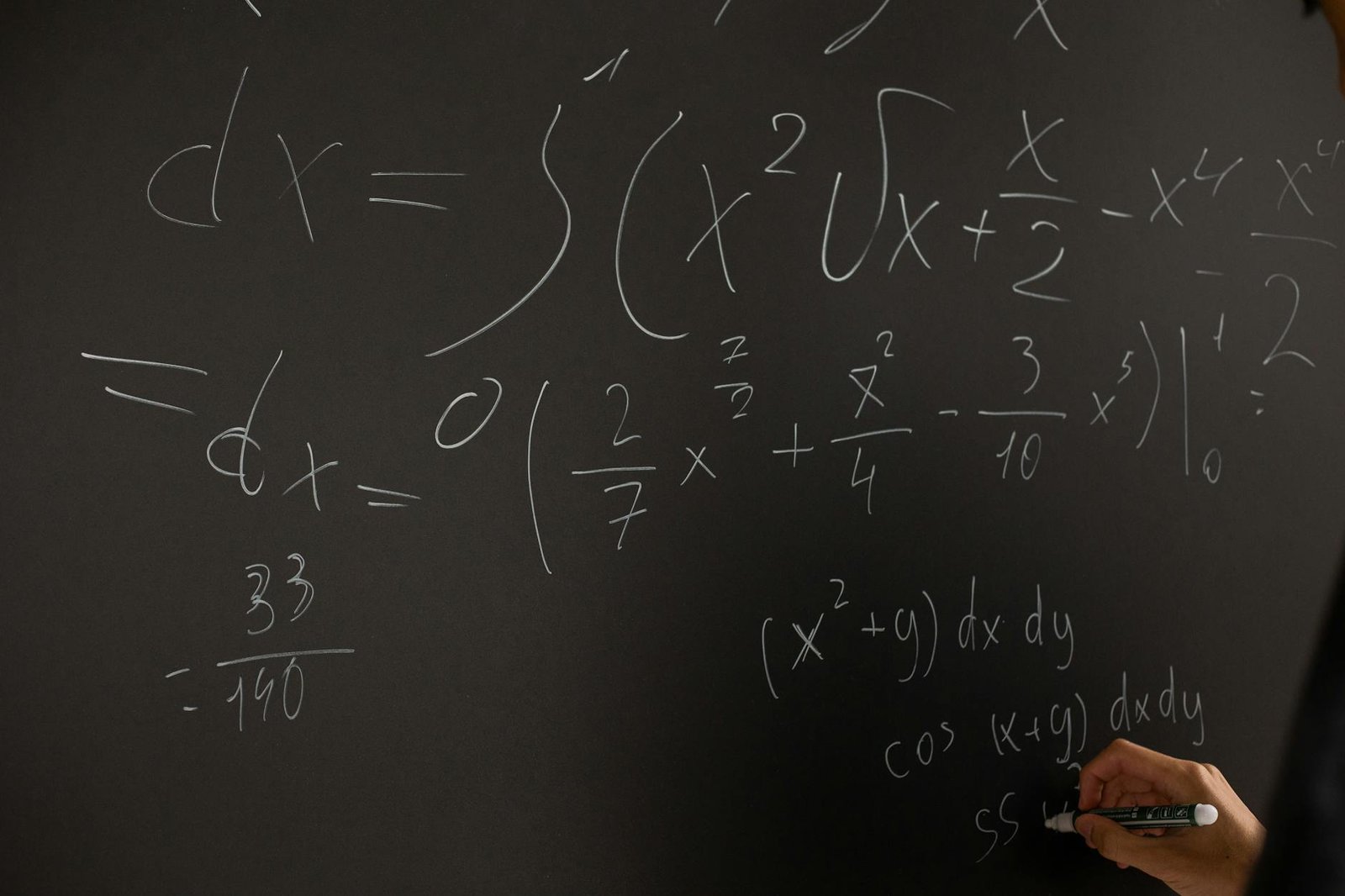
Middle-school learners begin combining arithmetic with abstract symbols. Errors in algebra can arise when negative numbers, fractions or order of operations are not understood. A targeted tuition plan should identify the missing prerequisite and revisit it using simpler examples. For percentages, a student can compare ten percent of a quantity with twenty percent before using a formula. For ratios, everyday comparisons can help reveal the relationship before the learner practises symbolic notation.
A tutor may provide a worked example and then change the numbers or wording to test whether the student can apply the idea. Ask the learner to keep a record of doubts and repeated mistakes, with an explanation of the corrected step. Parents can check that tuition practice complements school assignments rather than adding unrelated material. Revisiting these skills steadily can make secondary-school algebra, graphs and geometry more accessible.
Class 9 Mathematics: understanding steps and proofs
Class 9 Maths often requires longer explanations and greater accuracy in written steps. A student may need help moving from an observed pattern to a general mathematical relationship, or identifying which facts are relevant in a geometry problem. A teacher can work with the school syllabus and ask the learner to justify one step at a time. Simply recognising a solved example is not the same as starting a similar question independently.
School test corrections are especially useful here. Organise errors into categories such as arithmetic slips, misread conditions, weak algebraic manipulation or missing reasoning. A focused lesson may tackle one category and revisit it using new questions. Students should learn how to check an answer without being shown the full solution first. This supports more durable understanding than rushing through many chapters to claim that a syllabus is finished.
Class 10 Maths: plan revision around actual board requirements

Class 10 students can benefit from practising a mix of concepts, written solutions and questions in unfamiliar formats. The exact curriculum and assessment pattern depend on the board and school, so the tutor should review prescribed chapters before designing revision. Topics such as algebra, geometry, trigonometry, statistics and probability may require different problem-solving techniques. Practising one chapter in isolation for too long can make it harder to recognise connections between topics during assessments.
For CBSE learners, the official CBSE Academic website provides published curriculum information and other resources. A useful routine includes a short independent problem set, checking the written steps and returning to older errors after several days. Timed questions can help once understanding is secure, but speed should not replace reasoning. Parents should judge progress by accurate new solutions and clearer explanations, not promises of a particular board mark.
Class 11 Maths: functions, sets and mathematical language

Moving into Class 11 can be challenging because mathematical notation becomes more abstract. Students may need to explain what a variable, function or relationship means before manipulating an expression. A tutor can use a graph, table and equation to describe the same idea and then ask the learner to connect them. The exact syllabus should come from the student’s current board and school materials, rather than a generic course outline that may not fit.
When mistakes arise, the teacher can check whether the issue is notation, algebraic foundations or a new concept. Students benefit from practising the reasoning behind a step instead of memorising a fixed sequence. If a learner is considering engineering entrance examinations, that extra goal should be discussed separately because the pace and question selection may differ from regular school tuition. A sustainable routine allows time for independent practice between lessons.
Class 12 Maths: calculus and longer problem-solving chains
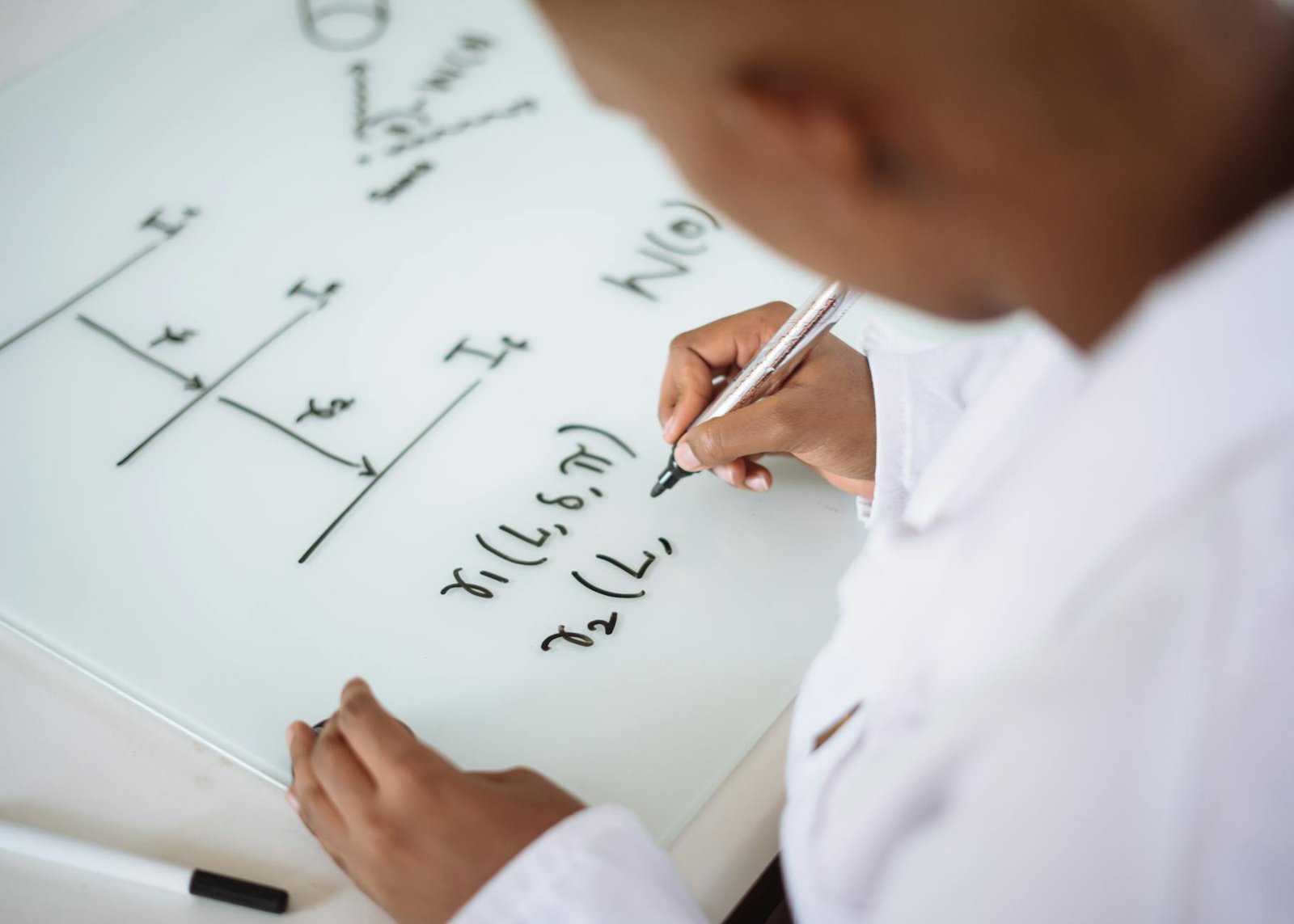
Advanced school Maths can involve multi-step problems where a small mistake near the beginning affects the whole answer. In calculus and other Class 12 topics, students should learn to identify the type of problem, choose a valid method and check each transformation. A tutor can ask the learner to explain why an operation is allowed rather than simply copy a familiar solution. Revisiting older algebra and function skills may be necessary when these create repeated mistakes.
Independent timed practice may help later in revision, but it should be introduced without sacrificing understanding. A useful session can compare two ways of approaching a question, discuss common pitfalls and end with a fresh problem. Students preparing for JEE should confirm the prospective tutor has experience with that examination and its requirements. No specialist arrangement guarantees a rank, so realistic progress checks should remain part of the plan.
An example of how to repair a recurring algebra mistake
Consider a student asked to solve 3x + 7 = 22. A hurried learner might subtract seven incorrectly or divide only part of an expression. The teacher can first explain that the same operation must be performed on both sides to keep equality true. Subtracting seven gives 3x = 15; dividing both sides by three gives x = 5. Substituting five into the original expression gives 22, which checks the answer.
Once the idea is understood, give a different equation such as 4y − 6 = 18 without walking the student through every step. If mistakes return when negative numbers appear, revisit integer operations briefly. The value of individual tuition is the ability to locate the exact misconception and practise it until the learner can explain the method. More questions are not helpful if the first misunderstanding remains unaddressed.
Working on geometry and trigonometry through diagrams
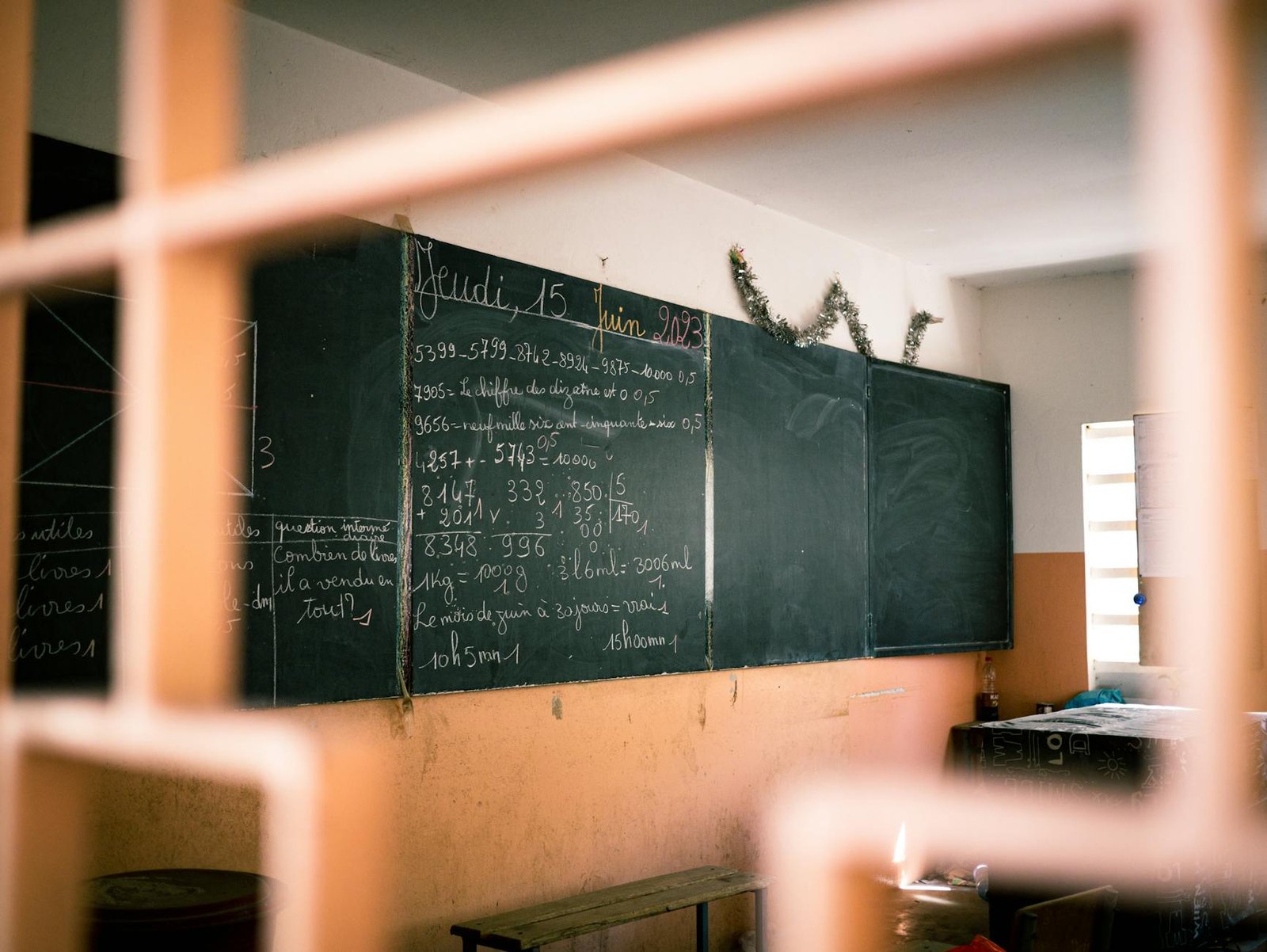
Geometry tuition can help students separate information shown in a diagram from facts that need to be proved. The tutor may ask the learner to label given angles, identify a relationship and explain which theorem is relevant. Drawing a second version of the same figure can reveal whether the student understands the idea rather than recognises a memorised picture. Written reasoning should include enough steps that another reader can follow the argument.
Trigonometry similarly benefits from connecting ratios and identities with diagrams and algebra. A teacher should explain when a relationship applies and check whether the learner can justify an answer. For school assessments, use the expected syllabus and question styles. Short revision across multiple weeks may be more useful than copying a large list of identities the day before a test. The objective is correct application, not mere recall.
Statistics, graphs and probability: make sense of the answer
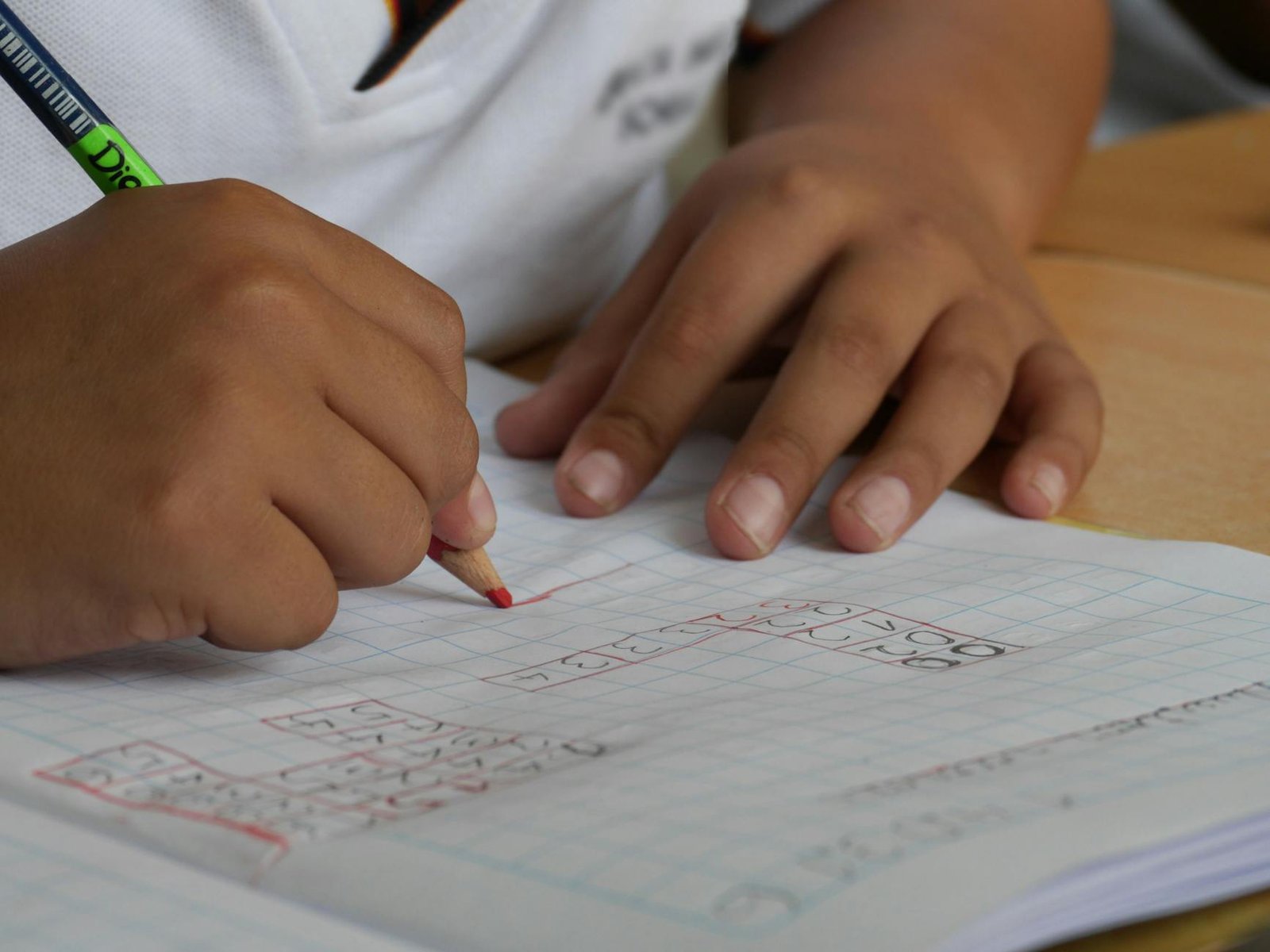
Statistics questions require careful reading of tables, axes, units and labels before any calculation. Students may correctly calculate an average but misinterpret what it means. Probability questions can also be confusing when a learner counts the possible outcomes incorrectly. A tutor can use simple examples and gradually change the dataset or situation to confirm that the method transfers. The level of detail should follow the student’s actual board and class.
A useful checking routine asks four questions: What information is given? What result is requested? Which method is suitable? Does the answer make sense in context? Encouraging students to explain the meaning of a result strengthens reasoning across Maths topics. Parents can look for independent interpretation of new graphs rather than only memorised solutions. This is a practical way to judge whether private tuition addresses more than calculation speed.
How to arrange Maths tuition for a Panchkula sector or MDC

Panchkula tuition enquiries may come from numbered sectors, Sector 20, Mansa Devi Complex (MDC), Amravati and nearby neighbourhoods. The general location matters because an individual teacher must be able to travel reliably after school. Families can share the sector, class and realistic available time before discussing a particular tutor. A subject specialist with an impractical commute may not be the right arrangement, even if their academic expertise is strong.
Parents can consult the MDC home tuition page and Amravati Panchkula guide for related locality information. These pages do not guarantee that a tutor is currently available at a given address. Keep complete household details private during a public enquiry, and confirm availability, fees and travel directly before planning recurring sessions.
Private Maths tuition fees and lesson schedules

Fees may depend on the student’s class, education board, complexity of topics, teacher experience, number of sessions and travel arrangements. A primary-school learner working on arithmetic may require different expertise from a senior-secondary student preparing for calculus. It would be misleading to promise a universal hourly price without a current quote. Ask exactly what is included, how long each lesson lasts and whether any separate materials or assessments are necessary.
Before agreeing, clarify payment timing, procedures for missed or rescheduled sessions and notice requirements for changing the arrangement. A realistic weekly plan should leave time for school assignments, recreation and independent practice. A higher fee does not guarantee that the teaching method will suit the child, while the lowest rate may not offer value if attendance is unreliable. Compare the whole learning arrangement rather than a single quoted number.
Can online one-to-one Maths tuition work effectively?

Individual online tuition can work when a teacher has a clear way to display mathematical workings and the learner can ask questions without hesitation. A digital writing pad or shared whiteboard may make it possible to discuss each step. In-person teaching can be helpful for younger children who benefit from working on paper with a teacher nearby. The best choice depends on concentration, access to reliable internet, subject complexity and a workable timetable.
Parents can test audio and screen clarity in an introductory session. Ask how the tutor checks a student’s handwritten solutions and provides feedback after the class. Younger pupils may need an adult nearby to help with technology. Our online home tuition guide explains more practical considerations. Neither format guarantees results; consistency, clear explanations and independent practice are necessary in both.
A four-week Maths tuition plan with measurable progress

Week one can begin with reviewing recent tests and choosing two or three specific goals, such as reducing sign errors or understanding fractions in word problems. The tutor records a few examples the student completes independently. Week two focuses on teaching the missing concept and practising it in several forms. Week three revisits older work and introduces unfamiliar questions so that the learner must apply the idea rather than copy a remembered solution.
At the end of week four, compare the student’s new work with examples of similar difficulty from the beginning. Ask what they can now solve without hints and which mistakes remain. Progress may first appear as improved confidence and less dependence on the teacher before school marks change. If progress is limited, discuss a different explanation, a slower pace or revision of a prerequisite skill. A progress review should guide teaching decisions, not produce an unrealistic guarantee.
Frequently asked questions about Maths private tuition

Can I request Maths tuition for Classes 6–10? Families can enquire and describe the exact class and board. Is Class 11 or 12 Maths supported? Ask whether an appropriate subject specialist is available. Do tuition classes include JEE Maths? Competitive preparation requires relevant expertise and must be confirmed separately. Is NEET Maths a subject? NEET-UG does not have a separate Mathematics paper; students should request support for the actual examination subjects they need.
Do tutors come to MDC or Amravati? Share your locality and preferred timing so travel can be checked. Are fees the same for every class? No; ask for a quote based on the subject, tutor and schedule. Can tuition be online? You can enquire about individual online lessons. Is a demo always free? Confirm any current offer or conditions. What should parents share first? The grade, board, main topics, general locality and an available lesson time.
BEST HOME TUITION — MATHS IN PANCHKULA
Need Maths tuition? Share the student’s class, board, Maths topics, Panchkula sector and preferred days or lesson time.
Call: 8872339669
Call Best Home Tuition WhatsApp Tuition Enquiry
Lesson availability, fees and any introductory demo require confirmation.
