Physics private tutor in Panchkula, Haryana, India: Best Home Tuition accepts enquiries from families seeking individual school Physics lessons, subject to a suitable specialist being available. This parent guide focuses on checking qualifications, teaching demonstrations, subject fit, safety and scheduling. It does not rank unverified tutors or promise an examination result.
Quick answer: Share the student’s class, school board, difficult Physics chapters, general Panchkula sector and preferred time. Ask how the proposed tutor identifies gaps and checks independent work before confirming lessons.
Find a Physics private tutor in Panchkula, Haryana, India

A Physics private tutor should do more than repeat the steps written in a guidebook. Families often seek one-to-one teaching because a student can recall a definition yet struggle to use the idea in an unfamiliar question. Start by naming the class, education board and chapters that need attention. A Class 9 learner confused by speed and velocity may require a different approach from a Class 12 learner revising lengthy numerical questions. The goal is a teaching match based on the student’s level, not broad claims about being the best.
Best Home Tuition accepts enquiries for Panchkula, Haryana, India, subject to suitable teacher availability and travel. Share the general sector and practical lesson times before discussing an exact address privately. Ask prospective tutors how they would identify the learner’s present difficulties and assess progress after several lessons. This page concentrates on evaluating a Physics specialist; the Physics private tuition study guide covers how a lesson plan itself can work.
Check academic qualifications and relevant Physics experience

Parents can ask about academic qualifications in Physics or a related field, but also need evidence that a tutor teaches the exact school level. Strong subject knowledge is important, yet explaining an abstract idea to a Class 9 student requires different examples from a lesson for senior-secondary students. Likewise, experience with one examination board does not prove familiarity with every course. Ask which classes the teacher has recently handled and whether the course includes school Science, advanced Physics or entrance-oriented preparation.
Qualifications should be considered alongside patient communication and accuracy. A tutor might be asked to explain the reasoning behind a familiar formula, then show how they would correct a common mistake. Relevant references or teaching background can be requested where available. Choose someone who recognises the importance of independent student work. No credential by itself guarantees particular examination results, and unverifiable promises about ranks should not outweigh a clear teaching demonstration.
Ask focused questions before booking a Physics tutor

A first conversation can reveal whether the proposed teacher understands the family’s needs. Ask which boards and grades they teach, how they approach doubts, what homework they assign and how they review incorrect solutions. Tell the tutor about the current schoolbook and any forthcoming test. A suitable specialist should discuss realistic priorities rather than offer to cover an entire syllabus immediately. If the student needs JEE or NEET Physics, name the exact examination, because specialist experience should be checked independently.
Parents should also clarify practical matters: number and duration of sessions, preferred time, travel feasibility, payment terms, missed classes and communication about progress. The teacher might explain how the first few lessons would identify gaps and establish a baseline. There is no need to reveal complete household information during a public enquiry. A clear, specific description of the student and a few relevant questions can prevent a costly teaching mismatch.
What an informative Physics demonstration should include

A useful introduction is built around the student’s schoolwork, not a lengthy sales presentation. Give the tutor one concept or numerical problem that the learner previously found difficult. Observe whether the teacher asks what the student already knows, explains the missing idea clearly and allows time to think. An appropriate Physics question may involve a graph, a force diagram or a simple calculation. The important point is whether the child understands why each step is taken, rather than merely copying it.
After guided work, the tutor can give a new problem with different details and ask for an independent attempt. Parents can ask the learner which part became clearer and whether they felt comfortable asking doubts. A demonstration offers limited evidence of teaching style; long-term progress still depends on sustained work. Any demo offer, price and conditions must be confirmed directly, since a free trial should never be assumed from an older advertisement.
A tutor should explain ideas before writing equations
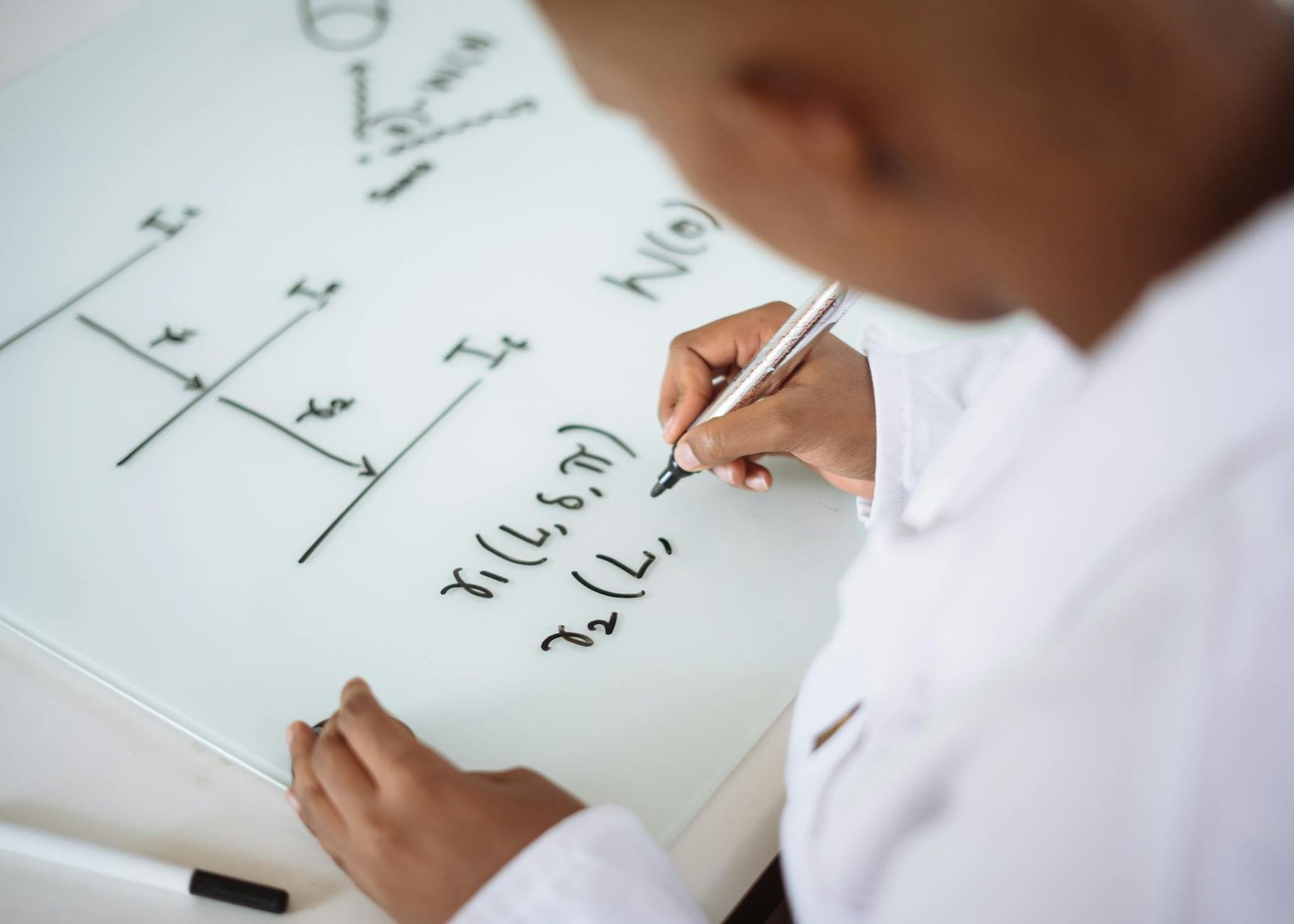
Good Physics teaching begins with a description of what is happening. For a motion problem, the tutor can ask what the starting velocity is, whether it changes and which time interval is relevant. Only then is an appropriate equation introduced. This approach lets the student see that a mathematical relationship describes a physical situation rather than acts as a magic shortcut. If a calculation fails, the teacher should investigate whether the problem lies in the concept, the mathematics or the units.
Parents can listen for questions that encourage reasoning: What is known? Which assumption applies? What does the sign mean? Does the result seem possible? A tutor who invites explanations in the student’s own words can reveal misconceptions that a copied solution hides. A quick second example with unfamiliar numbers tests whether the student can transfer the principle. This evidence of independent understanding is more useful than a notebook filled only with the teacher’s completed examples.
Understand the difference between school Physics and exam coaching
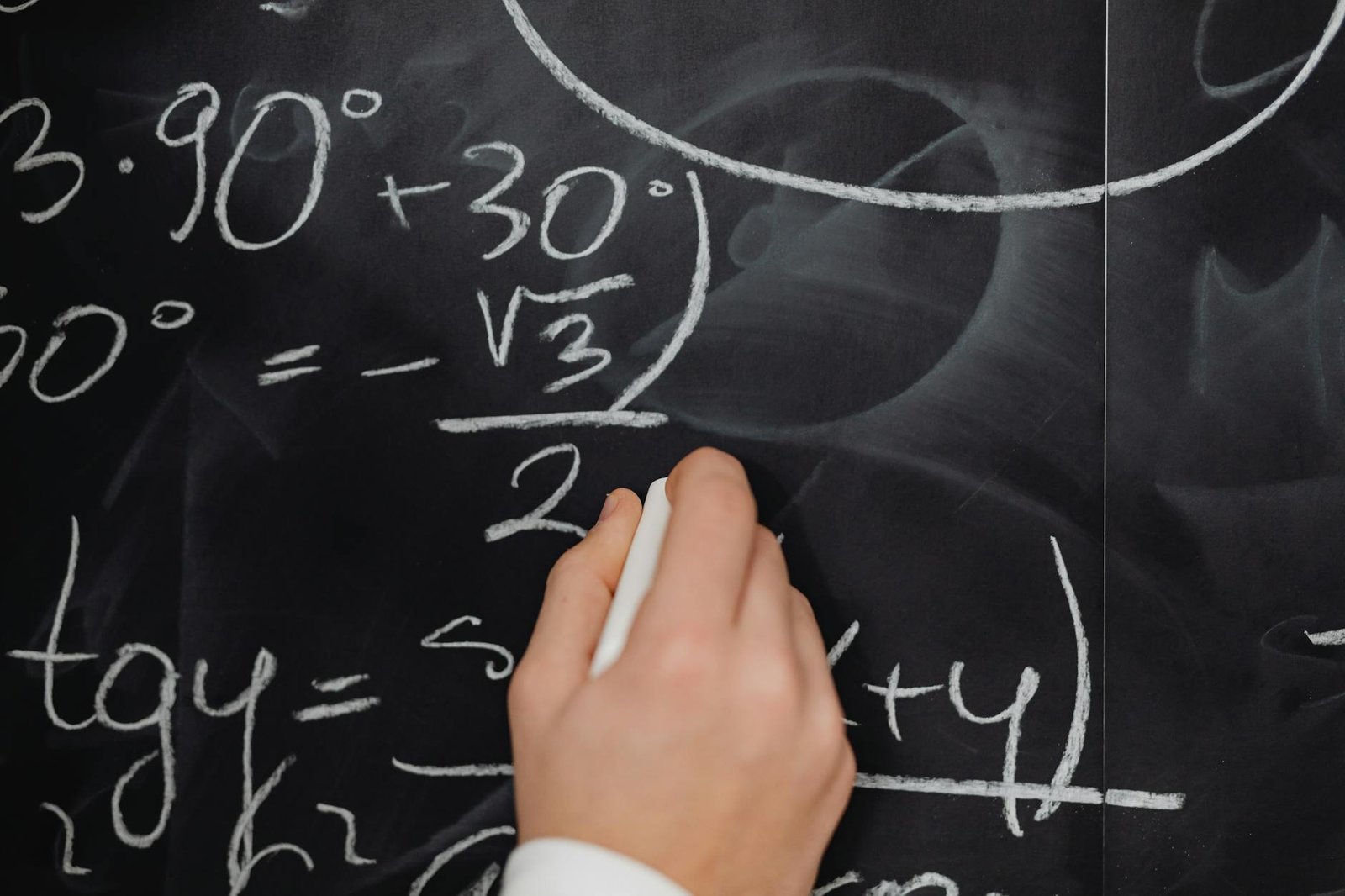
School Physics lessons may prioritise the prescribed syllabus, written explanations, diagrams and the steps required in board assessments. Competitive-examination preparation can also require practice with challenging applications and particular question formats. A teacher who is excellent at ordinary school lessons may not have worked with entrance-level problems recently. Families should confirm experience with the intended examination instead of assuming every Physics tutor offers the same type of coaching.
Ask how the teacher would move from conceptual understanding into practice and, when appropriate, timed tests. Difficult question sets are not always useful if a student still struggles with units, algebra or diagrams. Specialist preparation has to fit around school and other examination subjects. A clear learning plan and evidence of relevant experience are stronger reasons to select a tutor than a claim of guaranteed marks, rank or admission.
Class 9 Physics requires patience with foundational ideas

Class 9 students may meet Physics topics within general Science, including motion, force, energy or sound according to their board. At this stage, a tutor should explain terms carefully and use diagrams or everyday examples to show what a concept means. A learner might memorise the definition of displacement while still confusing it with distance. The teacher needs to recognise that gap and offer a new example so the student can explain the distinction independently.
Ask the prospective tutor how they handle weak graph interpretation or elementary arithmetic. Short, targeted questions may be more suitable than introducing advanced examination material too early. A student who becomes more comfortable explaining what happens in a physical situation is developing an important foundation for future classes. Parents can check progress through a few unfamiliar textbook questions and clearer explanations, not merely the amount of material completed.
Class 10 Physics tutors should understand board answer requirements

Depending on the board, Class 10 Science may include electricity, light and other Physics topics. Students need to interpret diagrams, use units accurately and explain ideas in clear written answers. A tutor who only dictates equations may miss the reason a pupil loses marks: a misread question, a weak scientific explanation or an incorrectly labelled diagram. Parents can bring a recently marked paper to an introductory lesson and ask the teacher how they would correct the underlying mistake.
CBSE learners can check current materials on CBSE Academic alongside their school’s instructions. The tutor should propose a revision approach that matches the actual course, including independent problems and review of older errors. Timed questions may help with examination pacing after the concepts are understood. A responsible specialist will discuss realistic academic targets instead of promising a particular percentage.
Class 11 Physics needs strong mathematical reasoning
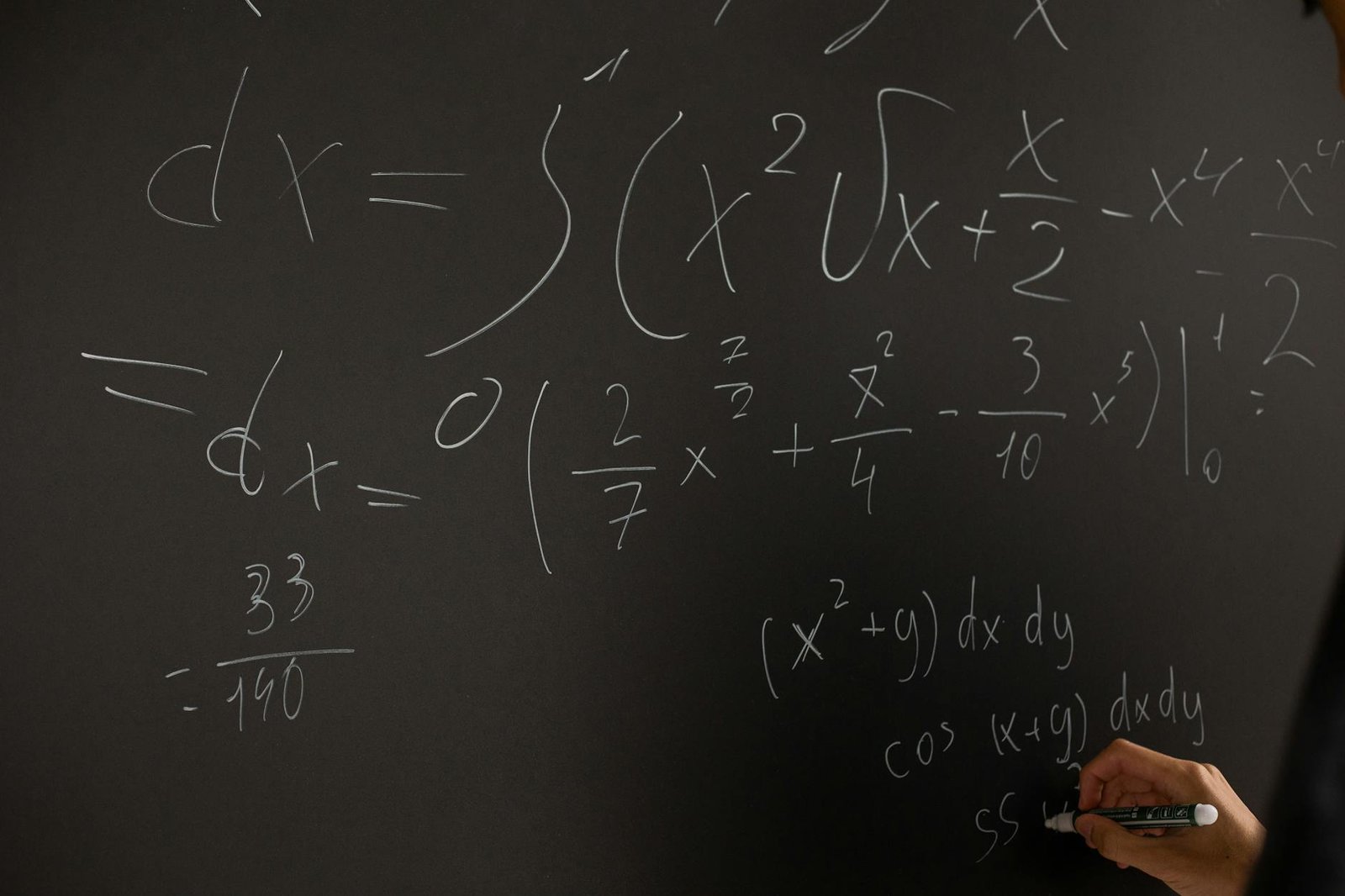
Class 11 Physics often introduces a stronger link between mathematical representations and physical ideas. The precise syllabus varies, but students may need to work with measurement, vectors, motion, forces and energy. A tutor should be able to explain how an equation follows from the conditions of a question and which assumptions apply. If the student is uncertain where to start, the teacher might first develop a diagram and list the quantities given.
Some apparent Physics difficulties are rooted in weak algebra, graphs or trigonometry. A good specialist recognises the missing prerequisite and revisits it without losing sight of the current syllabus. Parents can ask how the teacher provides independent questions and checks that the student understands rather than copies the method. If engineering entrance preparation is a goal, discuss that requirement separately and confirm the tutor’s relevant experience.
Class 12 Physics tutors must handle multi-step reasoning
Senior-secondary students may require help with electricity, magnetism, optics and modern Physics, depending on their course. The challenge is often combining several ideas in one question while tracking signs, units and assumptions. Ask a prospective tutor to explain how they would diagnose an error early in a solution. A strong teacher can show the student how to choose a principle, justify steps and check whether the resulting answer is sensible.
Class 12 revision should balance new chapters, school assessments and topics studied earlier in the year. Students benefit from answering unfamiliar questions alone before comparing their reasoning with an explanation. Parents can ask for examples of progress in the learner’s written work instead of relying on a promise of improved marks. Timed practice is useful when concepts are understood, but should not replace careful correction of repeated misunderstandings.
Test how the tutor explains graphs and diagrams
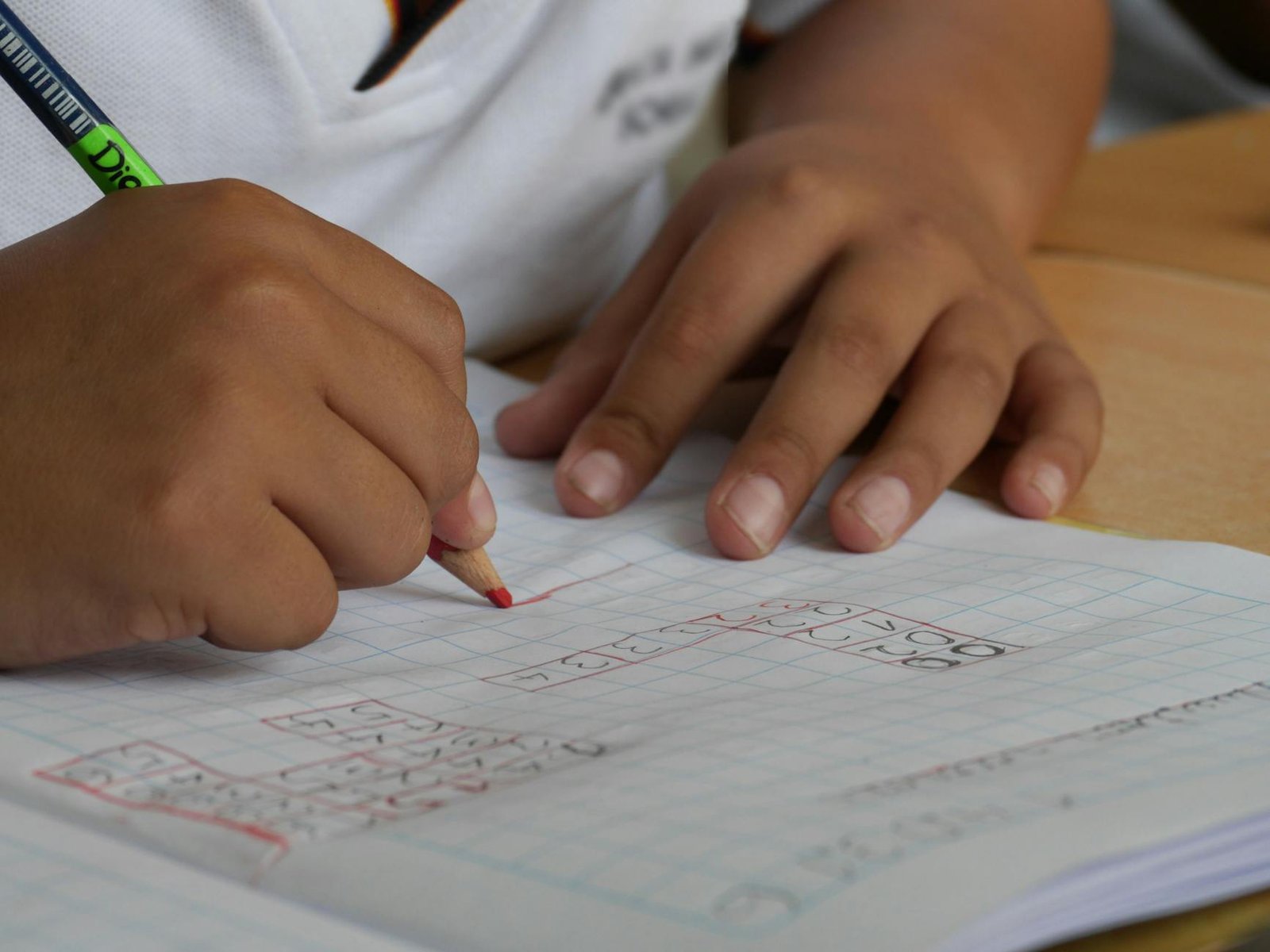
Graphs and diagrams are not decorative parts of Physics. They often reveal the information a student needs to interpret before choosing an equation. A learner may mix up what the slope represents, forget a unit on an axis or draw a vector in the wrong direction. A prospective teacher should show how to label and interpret a figure accurately. Asking students to describe a graph aloud can uncover confusion that a numerical answer might otherwise conceal.
Good tutoring also involves varying an example. A teacher can change the graph scale or rearrange the diagram, then ask whether the same physical principle still applies. The student should draw and explain a fresh figure rather than trace an existing one. Feedback can separate mathematical slips, unclear presentation and conceptual mistakes. That distinction helps make later practice more targeted and improves the student’s independence.
Numerical accuracy: units, assumptions and checking answers
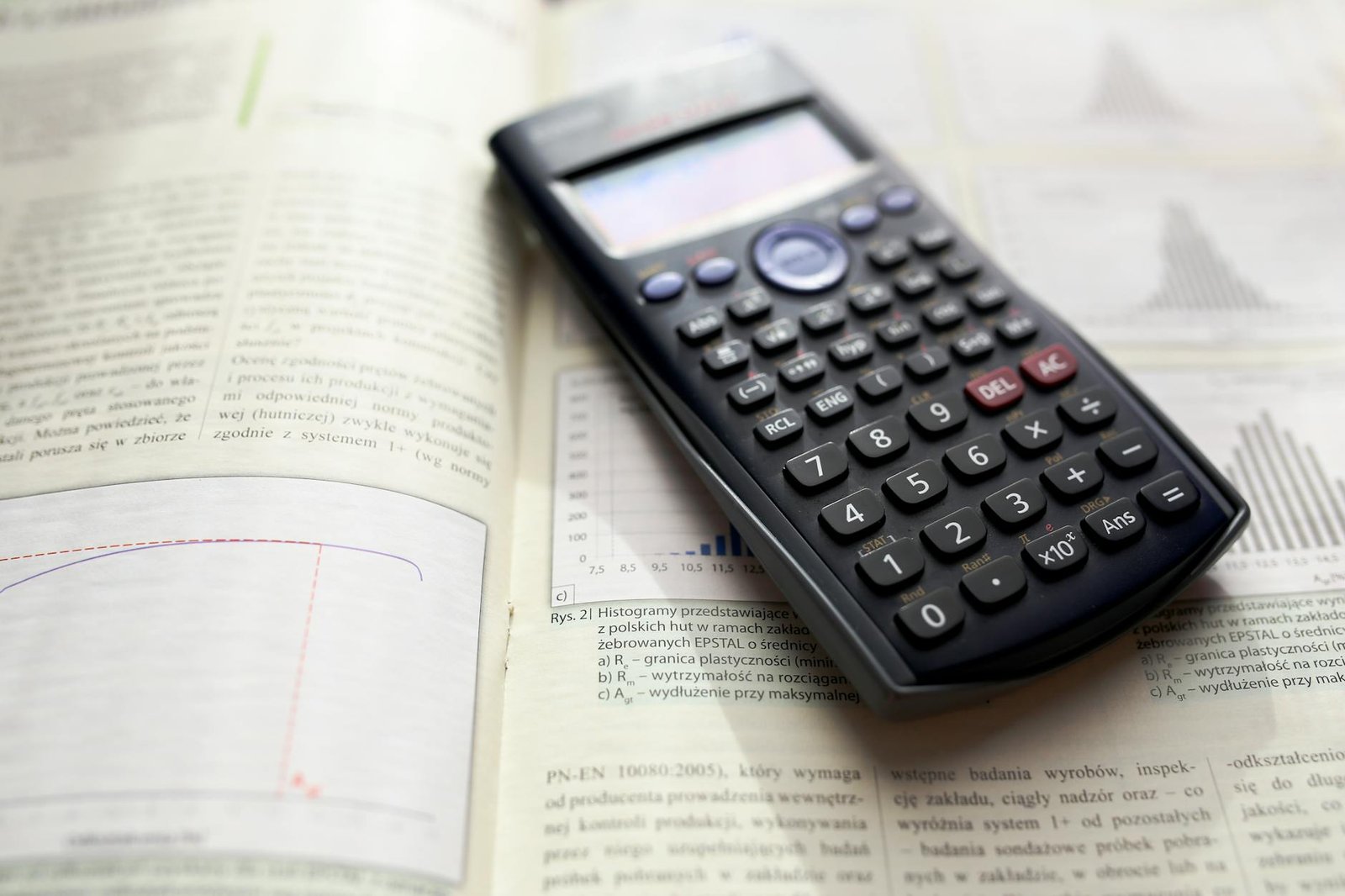
Numerical work should begin with reading the question carefully, identifying given values and selecting the relationship that fits the physical conditions. Students can then substitute quantities with their units and check the final answer. A common difficulty occurs when someone remembers a formula but overlooks a centimetre-to-metre conversion or a sign convention. Ask a prospective tutor what they do when the same error appears in several assignments.
An effective response is to explain the missing skill, practise a simpler version and return to a new Physics question. Tutors should also help students estimate whether a result is plausible instead of assuming any calculated value is correct. A small record of mistakes can be reviewed over subsequent lessons. This teaches a repeatable way of approaching unfamiliar problems rather than dependence on memorised examples.
Board compatibility: CBSE, ICSE, IB and Cambridge
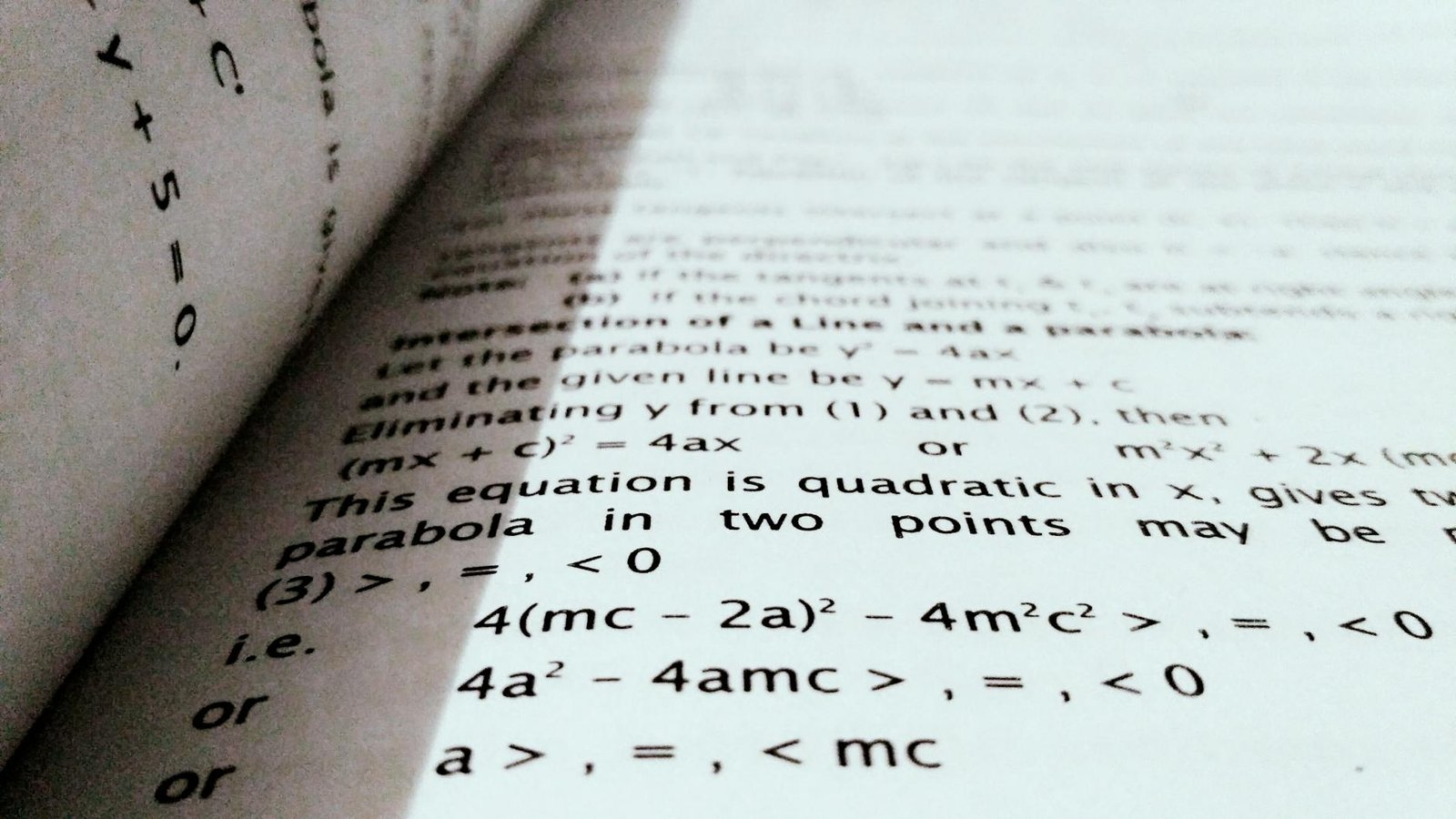
Boards can differ in their syllabus sequence, depth, style of questions and practical expectations. Parents should state the student’s exact board, grade and current textbook before arranging Physics lessons. A teacher who understands scientific principles may still need to adapt how answers are written or which examples are relevant. Ask about experience with students following the same course. Generic online worksheets can be inappropriate if they cover topics the learner is not currently expected to study.
CBSE students can refer to official CBSE Academic and NCERT materials where appropriate. Other families should use their school and examination board’s published instructions. A suitable tutor should plan practice around these requirements and explain how progress will be reviewed. Matching the curriculum helps prevent unnecessary work and builds confidence in the relevant examinations.
Teaching experiments and safety responsibly

Practical observations can help students understand Physics, but private tuition should not turn a family home into an unsafe laboratory. A tutor can use diagrams, educational simulations and authorised examples to discuss electricity, heat or motion. Household wiring, flames or unsuitable equipment must not be used for improvised demonstrations. Where hands-on experiments are necessary, they require proper school supervision and appropriate facilities.
Parents can ask how the teacher explains practical concepts if specialised equipment is unavailable. A clear answer may involve interpreting measurements, discussing the purpose of an experiment or connecting a textbook diagram with its scientific principle. This can support examination preparation safely. A tutor who takes safety seriously should distinguish everyday observations from activities requiring trained supervision and should never insist that families provide hazardous materials.
Check tutor availability across Panchkula localities

Parents may request a Physics specialist in Panchkula sectors, Mansa Devi Complex, Amravati or nearby residential areas. A capable teacher still needs a practical travel route and reliable lesson schedule. Share the general locality and several possible time slots during the first enquiry. This helps the service consider subject fit alongside travel, rather than imply that every tutor is available at every address or at short notice.
For related locality information, see the MDC Panchkula tuition page and Amravati Panchkula guide. These pages do not provide real-time availability. Confirm travel feasibility, society entry requirements, start time and missed-class procedures privately once a potential teacher has been identified. A consistently workable timetable is important to meaningful progress.
Compare private home visits with individual online Physics

Individual online Physics lessons can be practical when a relevant specialist cannot visit or a family needs a different schedule. A tutor should be able to write equations and diagrams clearly through an appropriate shared screen or digital board. The learner must also have a way to submit written answers and receive corrections. Clear audio, stable connectivity and the student’s comfort asking questions determine whether the arrangement works.
In-person teaching may better suit someone who needs direct help with paper diagrams or organising notes. The best option depends on age, subject depth, attention and available technology. Younger students may require nearby adult help during remote lessons. Our online home tuition guide provides additional setup considerations. Either arrangement still relies on independent practice and appropriate teacher feedback; neither guarantees a particular mark.
Physics tutor fees, session length and payment terms
Physics private tutoring fees can vary with grade, education board, specialist experience, travel, frequency and session duration. A Class 9 school Science arrangement is not identical to specialist Class 12 or entrance-examination teaching. A universal advertised hourly amount may not reflect the actual student’s needs. Families should ask for a current quote and what it includes, such as homework review or progress feedback, before committing.
Clarify when payment is due, how a cancelled lesson is handled, whether a missed class can be rescheduled and what notice is required to stop tuition. Written terms reduce misunderstandings. A high fee cannot guarantee the teacher is the right fit, while a low fee may offer little value if attendance is unreliable. Choose a schedule that allows time for school, independent practice and rest rather than assuming more tutoring hours are always better.
Track progress with a four-week parent review

At the beginning, ask the tutor to identify a few observable goals based on a school test or independent answers. A goal may involve interpreting diagrams, using units correctly or selecting equations for unfamiliar problems. Save examples of the student’s initial work. The second week can focus on the most important gap, while the third revisits the idea in a different type of question. This helps distinguish lasting understanding from the ability to copy the teacher.
After four weeks, compare problems of similar difficulty and ask which steps the learner can now perform without hints. Progress may appear in clearer explanations and greater confidence before school marks change. If recurring errors remain, the tutor can revisit prerequisites or change their explanation rather than assigning larger workloads. Parents benefit from concise, specific feedback on what improved and what comes next.
Professional conduct, student comfort and safeguarding
Parents should be comfortable with the tutor’s conduct as well as academic skill. For home visits, agree on an appropriate study space, age-appropriate adult awareness and how schedule changes will be communicated. It is reasonable to ask for qualifications or references where available and to express a male or female tutor preference. Respectful teaching allows students to admit confusion and receive useful corrections without embarrassment.
Families do not need to disclose unrelated household information during public enquiries. Students should feel able to raise concerns with a trusted adult. A tutor who regularly arrives late, refuses to explain repeated doubts or shames the learner may not be suitable even with strong subject knowledge. A safe, predictable and respectful arrangement is important for effective learning and helps the child engage more confidently with difficult concepts.
Physics private tutor FAQs and contact in Panchkula

Can students in Classes 9 and 10 request Physics support? Families can enquire with the grade, board and current Science topics. What about Classes 11 and 12? Specialist experience and availability should be checked. Is JEE or NEET coaching included? Not automatically; describe the exact entrance exam. Can tutors travel to MDC or Amravati? Travel and timing must be confirmed. Is a demo always free? Ask about current terms rather than assuming an older offer still applies.
Are fees the same for every student? No; they can vary with level, tutor, duration, travel and frequency. Can teaching be online? Individual online options may be available. How soon will marks improve? There is no guaranteed timetable; monitor independent understanding over several weeks. What should the first enquiry contain? The student’s grade, school board, difficult Physics chapters, general locality and preferred lesson time. Best Home Tuition can discuss options at 8872339669.
BEST HOME TUITION — PHYSICS PRIVATE TUTOR
Enquire about Physics teaching in Panchkula, Haryana, India. Send the class, board, difficult chapters, sector and preferred time.
Call 8872339669
Call Best Home Tuition WhatsApp Tutor Enquiry
Teacher availability, fees and demonstration arrangements require confirmation.
