Home Tuition for NEET and JEE Aspirants: School and Entrance Balance

Home tuition for NEET and JEE aspirants can help learners address particular Physics, Chemistry, Biology or Mathematics gaps alongside school and entrance preparation. A suitable teaching plan depends on the student’s exact examination, class and starting skills, and does not guarantee a rank. Best Home Tuition can discuss individual specialist support, subject to availability and experience.
Quick answer: Confirm the current official entrance syllabus, identify school and entrance overlaps, divide lessons by subject expertise, practise independently and review actual mistakes rather than relying only on mock scores.
Home tuition for NEET and JEE: decide the actual examination goal
Home tuition for NEET and JEE aspirants should begin by clarifying the examination, the student’s present class and the precise academic difficulty. NEET preparation commonly involves Physics, Chemistry and Biology, while engineering entrance preparation generally calls for Physics, Chemistry and Mathematics. The two paths should not be treated as identical, and families should not assume that a teacher experienced in school Science is automatically equipped for every entrance-examination problem. A student in Class 11 may also need stronger foundations than someone already revising advanced Class 12 topics.
Families can make an enquiry with Best Home Tuition about a relevant specialist, subject to experience, scheduling and location. This article explains how individual school tutoring can complement—not automatically replace—entrance-specific coaching and independent practice. Students should review the current official examination information before setting priorities. There is no reliable promise of a particular rank, admission or score, and a study arrangement needs to fit alongside school assessments and adequate rest.
Check official NEET and JEE information before making a study plan
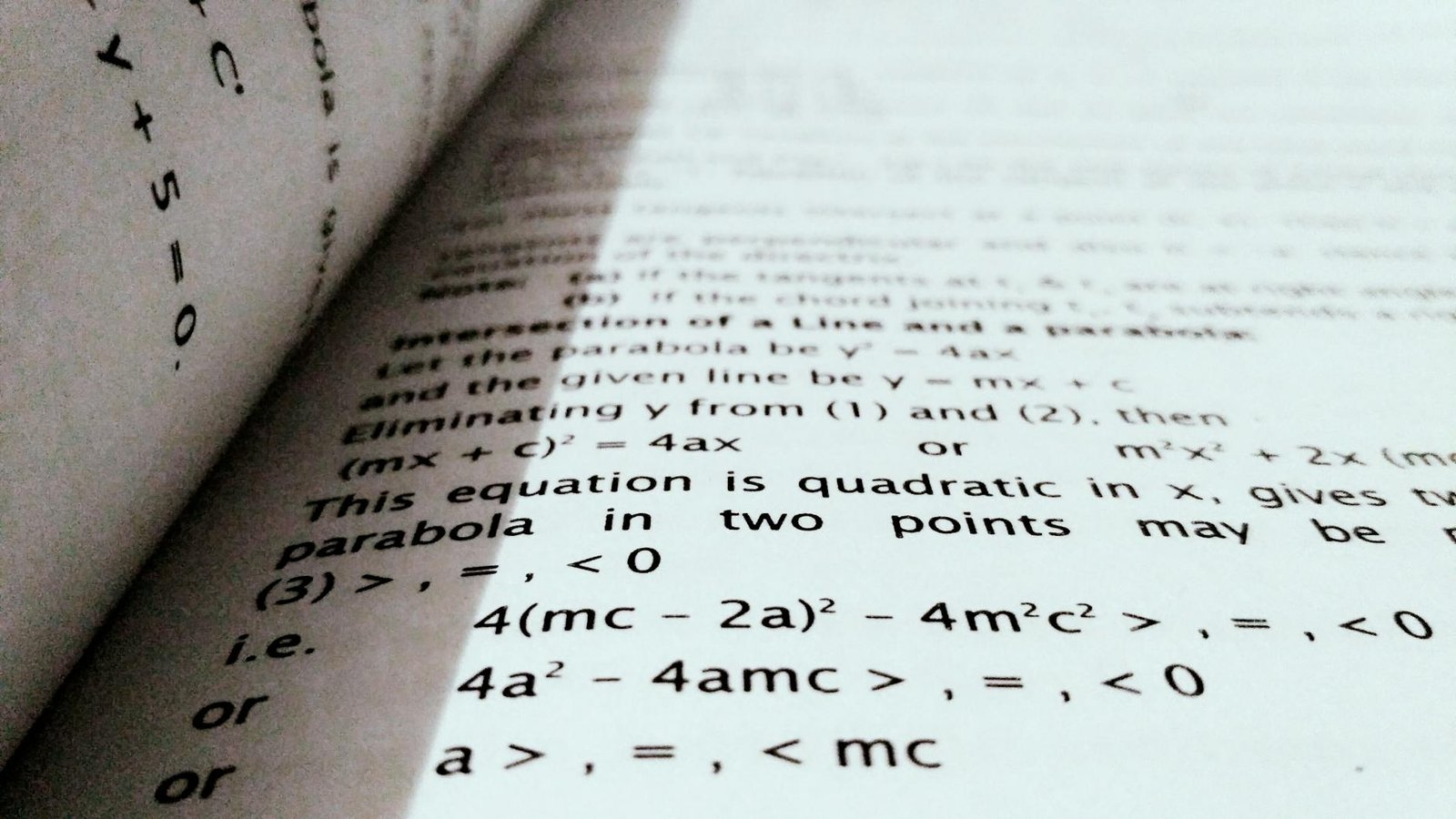
Examination arrangements can change, so the first practical step is to verify the applicable bulletin, syllabus and important instructions through official organisations. The National Testing Agency publishes information about examinations it administers, while the CBSE Academic website provides relevant curriculum information for CBSE students. Use the current official documents for eligibility, dates and format, rather than copying a social media timetable from an earlier year.
A tutor can help the family convert the correct syllabus into smaller study goals, but should not invent examination dates or treat an unofficial topic list as authoritative. School board requirements may overlap with entrance preparation without matching exactly. Mark shared foundation concepts, topics needing deeper practice and school-specific answer presentation. This comparison helps identify what can be studied together and what deserves separate attention. When information is uncertain, checking the official notice is better than relying on confident but unsupported predictions.
Understand the difference between school tests and entrance questions

School assessments may ask for extended written explanations, correct diagrams and formal presentation of steps. Entrance-oriented questions can require rapid application of concepts and the ability to distinguish between plausible answers. The same scientific principle may appear in both settings, but the most useful practice can differ. A learner who can reproduce a textbook derivation might still struggle with an unfamiliar numerical application, while someone quick at objective questions may need help writing full board answers.
Home tuition can focus on the gap revealed by actual school tests and independent attempts. An appropriate subject specialist may explain how to connect school chapters with more demanding applications when relevant to the chosen examination. Do not fill every tuition hour with timed papers: an incorrect concept should be repaired before repeatedly practising speed. Keeping distinct records for school presentation errors and entrance-style reasoning errors makes the week’s plan easier to adjust.
Class 11: build the foundations before attempting advanced tests

Class 11 is a transition for many science students because ideas in Mechanics, Chemistry and advanced Mathematics or Biology require careful foundations. A student may find Physics challenging because graphs, basic vectors or algebra need revision. In Chemistry, mathematical ratios and scientific terminology may interfere with new concepts. A teacher should identify these prerequisites rather than immediately assigning a difficult entrance-question bank. The learner needs to understand why a method works before practising speed.
A realistic first-month plan can combine school chapters, short checks of earlier skills and a few progressively harder applications. The subject specialist should explain which mistakes came from misunderstanding and which were simple slips. Families can save independent work from the beginning and compare it later with fresh questions. A programme that appears slower initially can still be appropriate when it prevents repeated confusion. Parents should not interpret fewer solved pages as evidence that the tutor is ineffective.
Class 12: protect time for boards and entrance preparation

Class 12 learners often face competing deadlines for school projects, practical work, assessments and entrance preparation. The weekly timetable should name those commitments explicitly. A tutor can help identify chapters where school and entrance learning genuinely reinforce each other, while reserving separate time for written-answer practice and objective-question technique. It is unwise to assume that high-intensity entrance exercises will automatically cover every school requirement or that board revision alone prepares the student for unfamiliar entrance problems.
Parents can ask which tasks the learner will complete alone and which require explanation. Review the timetable every week, especially near school tests, without discarding all entrance work for long periods. Balance matters: additional tutoring hours are not useful if the student is too tired to think clearly or complete independent questions. A realistic plan also leaves room for other school subjects, meals, physical activity and rest. The plan should respond to evidence from current work rather than a fixed promise.
NEET-focused Biology: understand processes, not isolated facts
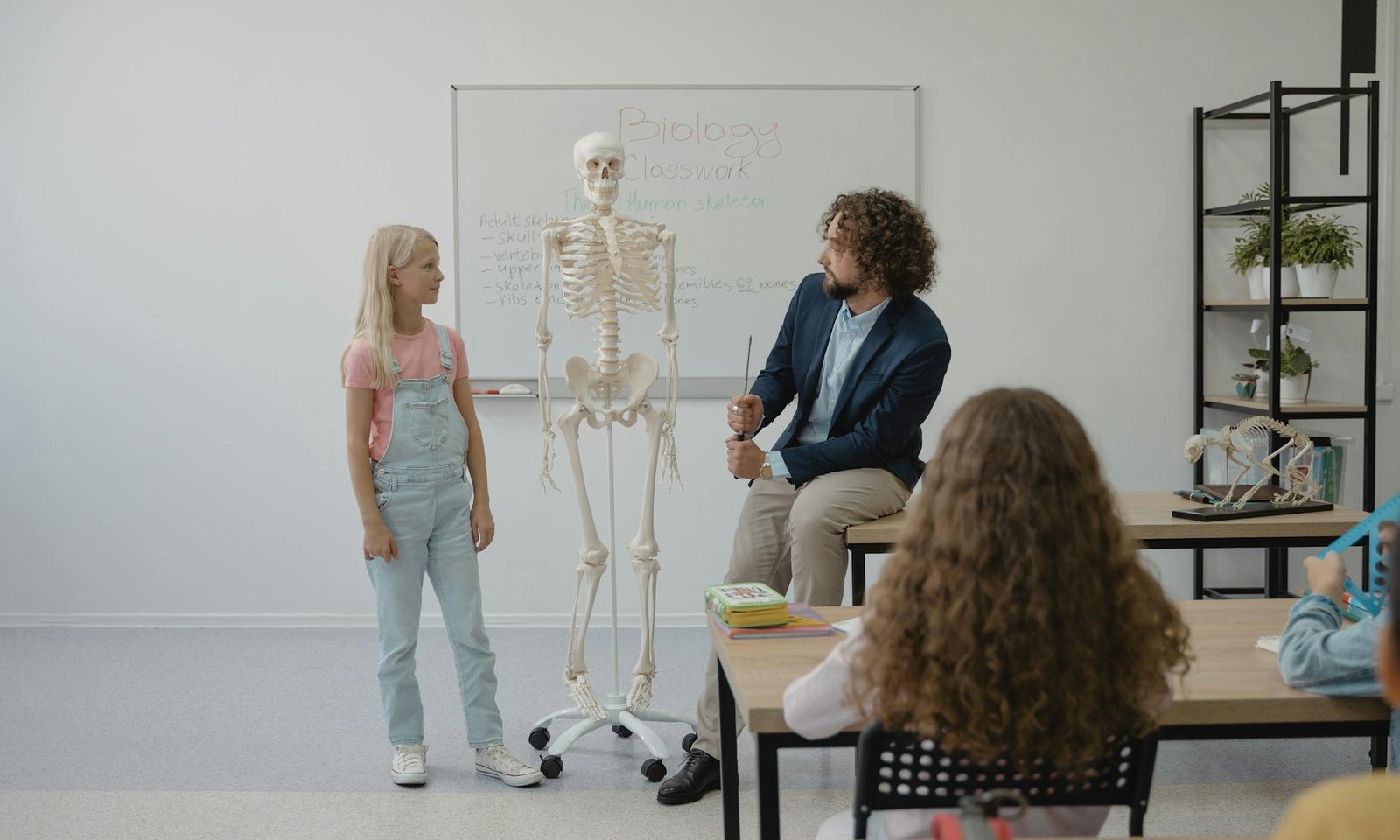
Biology-focused students often face large amounts of terminology and interconnected processes. A tutor can help the learner draw a sequence, describe a function in their own words and connect concepts to the currently applicable syllabus. Merely highlighting pages or repeatedly reading an answer may create familiarity without strong recall. A useful approach is to close the book, describe the idea independently, then check for missing details and revise the weakest part.
Families should confirm whether a proposed teacher has relevant advanced Biology experience and uses appropriate examination-level practice. The child can keep a concise record of common confusions, including terms that sound similar or stages of a process that are easily reversed. It helps to ask a fresh question instead of only repeating a memorised example. Scientific diagrams should be accurate and safe practical learning should rely on appropriate school facilities, not unsupervised home experiments.
Engineering entrance Mathematics: reasoning before speed

Students seeking engineering entrance support in Mathematics need to connect concepts with unfamiliar applications. If a learner cannot explain why a rearrangement is allowed or how an assumption changes a solution, timed question drills alone may not address the weakness. A private tutor can ask the student to describe the problem, list known values, choose a method and check the conclusion. Errors in arithmetic, algebra or graphs often deserve targeted attention before advanced practice.
Ask about the specialist’s recent experience at the required level and how they teach problems that cannot be solved by copying the last example. A useful independent practice set can include one familiar question, one variation and one new application. The tutor should review the reasoning rather than only the final option selected. For students whose school mathematics is still weak, strengthening those foundations should take priority over trying to complete the largest possible practice-question bank.
Physics tuition: diagrams, units and conceptual application

Physics learning may require a student to translate a description into a physical model. The learner should understand the situation, interpret diagrams and graphs, recognise important assumptions and choose a relevant relationship. Many errors begin before calculation: a direction may be misunderstood, an axis misread or a unit conversion overlooked. A specialist can examine a student’s written approach and identify which step fails, then ask the learner to attempt a similar but unfamiliar question.
Parents can review our Physics home tuition study guide for additional principles of one-to-one teaching. The target examination and current grade must be disclosed so experience can be assessed realistically. Once a concept is secure, shorter timed sets may help practise decision-making, but they should not replace explanation. Students should record recurring mistakes with a short reason and revisit them several days later.
Chemistry tuition: separate calculations, reactions and structures
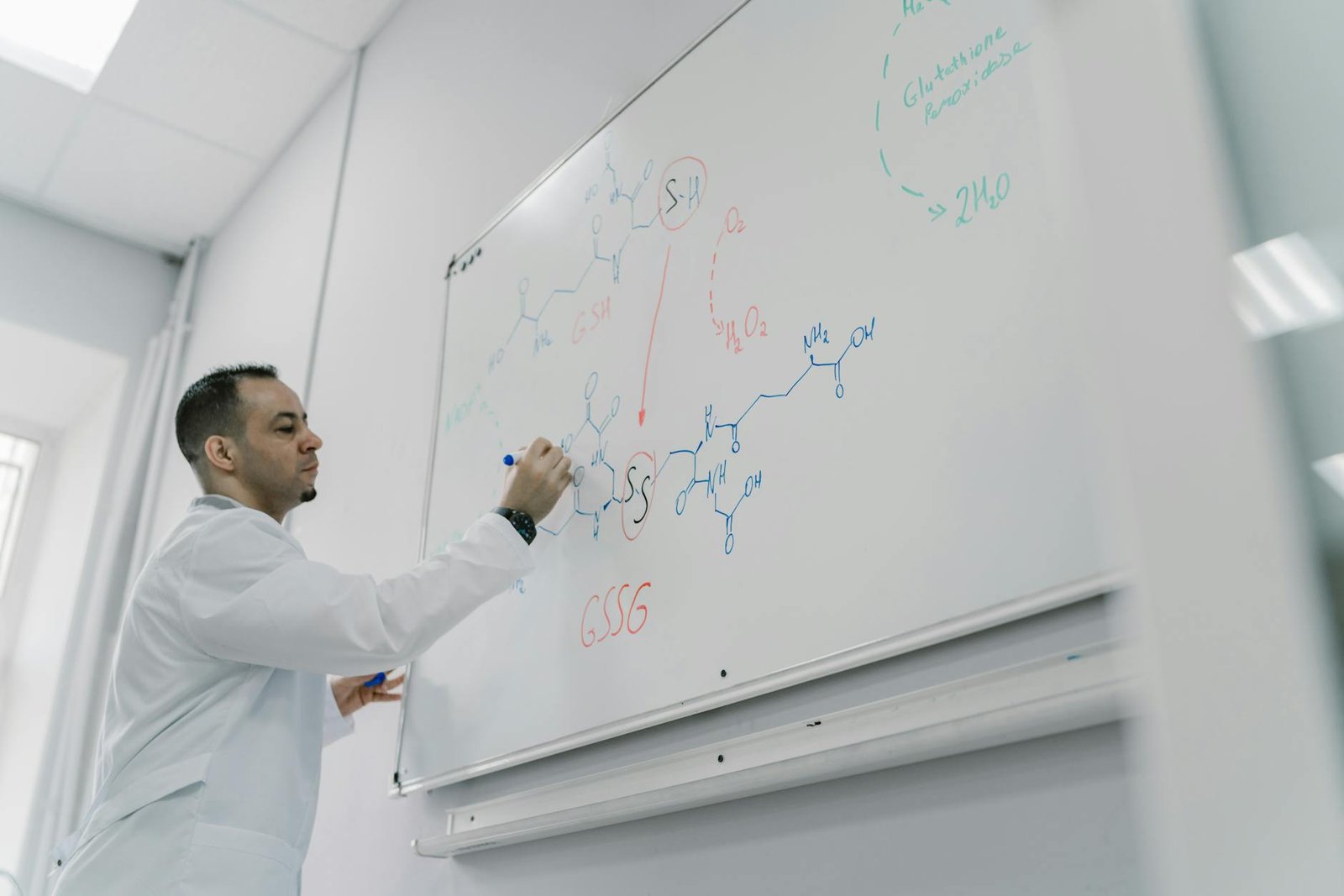
Chemistry preparation can involve quantitative reasoning, chemical processes and the interpretation of structures. A student who struggles with calculations needs a different intervention from one who confuses scientific terminology. A tutor should identify whether the obstacle is a mathematical prerequisite, concept misunderstanding or difficulty retrieving the relevant information. Mixing these problems into a single label such as weak Chemistry can lead to unnecessary repetition of topics the learner already understands.
The first few lessons can include a short diagnostic for the actual Chemistry chapters being studied, followed by clear explanations and independent application questions. Teachers should adapt to the current school course and the specific entrance syllabus rather than claim every Chemistry topic is equally urgent. Scientific accuracy and safety matter: home tutoring should rely on diagrams, safe educational resources and authorised laboratory teaching, not risky experiments with household substances. Family feedback should describe which skills improved, not only how many pages were revised.
Use mock tests to diagnose errors instead of chasing marks

Timed tests can be useful when they are appropriate to the student’s stage, but the analysis afterwards is often more valuable than the score alone. Separate mistakes into concept gaps, misread wording, unit or calculation slips, weak recall and time-management difficulties. If the same concept error occurs repeatedly, another test under time pressure may only repeat the failure. The next lesson should revisit the idea, check an easier application and then return to an unfamiliar question.
Parents should resist comparing scores from tests of very different difficulty. A stable record might include date, tested topics, question type, repeated error and the corrective task completed. A teacher can use the information to change lesson priorities without inventing score guarantees. When a student is exhausted, a shorter concept session may be more beneficial than a full mock paper. Examination practice should support learning rather than consume all independent study time.
Plan an achievable weekly school-and-entrance timetable

A timetable works only if the student can follow it around school, travel, meals, rest and assignments. One possible pattern alternates concept lessons with independent problem sets, reserves a short block to review earlier errors and gives additional attention to an upcoming school assessment. The number of hours is personal; what suits an experienced Class 12 learner may overwhelm a Class 11 student still rebuilding fundamentals. Discuss which subjects need specialist help and which can be practised alone.
Parents can ask the tutor to give each lesson a clear goal and a manageable follow-up task. Avoid stacking several specialist tutors without time for independent attempts. Review the plan at the end of the week and reduce low-value activities first if the learner is falling behind. Include time for non-entrance school subjects and sleep. The aim is a sustainable pattern of learning, retrieval and correction—not a visually impressive timetable that no one can maintain.
Choose entrance-exam subject specialists carefully

Relevant expertise matters more than promotional phrases. Ask which grades and examinations a proposed tutor has actually taught and whether their teaching materials fit the current syllabus. A Physics specialist is not automatically the best person for advanced Biology or entrance Mathematics. Observe how the teacher handles a topic the student finds difficult: a clear explanation, opportunity for questions and an independent attempt are more meaningful than quickly completing the answer.
Families may request an introductory session if offered, but should confirm whether it is available and what it costs. Ask about lesson duration, payment terms, missed classes and progress feedback. The student should feel comfortable raising doubts, and parents should expect respectful communication. A promise of a guaranteed rank, seat or score is not a reliable way to select a teacher. Suitability also depends on travel, timetable and the child’s learning preferences.
Online NEET and JEE tuition versus visiting specialists

Online individual teaching may make a relevant specialist easier to schedule when a home visit is impractical. For Physics and Mathematics, the teacher should have a method of showing written derivations and diagrams, while the student must be able to share their own attempts for feedback. For Biology and Chemistry, clear annotations, structured explanations and appropriate practice questions can support understanding. Reliable sound, connectivity and a comfortable way to ask questions all matter.
In-person lessons can help some learners work directly through school notebooks and hand-drawn diagrams. Neither format automatically provides stronger examination outcomes. Families can review our online home tuition information for practical setup advice. The proposed teacher should match the exact subject and examination level in either case. Confirm any availability and fees directly rather than assuming an online timetable or a visiting specialist is always open.
How to use AI study tools without replacing independent thinking

AI learning tools may help students generate practice explanations or suggest a revision sequence, but they can also produce incorrect answers or misleading confident statements. A student should first attempt the problem alone and use their prescribed course materials and tutor to verify important claims. If an AI response gives a different method, the learner can ask which assumptions are being used and check each step. Copying a generated solution does not show that the student understands it.
Parents should discourage uploading identifying school records or sensitive personal information into unfamiliar services. Exam rules and official announcements must come from authorised sources, not an AI summary. The tutor can model how to test an explanation using a reliable book and an independent example. Use technology as an optional aid for feedback and review, never as a replacement for qualified instruction, school guidance or genuine problem-solving practice.
A practical four-week review for NEET and JEE tuition

At the start, save representative work completed without assistance from each relevant subject. In week one, record two or three recurring errors and choose the most important prerequisites. Week two can focus on clarifying those ideas with independent practice. During week three, introduce unfamiliar problems and revisit earlier concepts after a short interval. At the end of week four, compare work of similar difficulty and discuss what the student can now explain without prompts.
A useful progress note should say which subjects improved, which errors remain and whether the timetable is realistic. Entrance mock scores can provide context but should not replace an examination of reasoning. If progress is limited, a tutor might revisit Maths foundations, change the Physics explanation or reduce excessive workload. Parents should support steady attendance and rest without expecting a fixed rate of improvement. Educational needs and personal circumstances vary among students.
Fees, travel and expectations before confirming lessons

Tuition costs can vary by class, specialist experience, number of subjects, duration, location and weekly frequency. Advanced entrance preparation may need different teachers from ordinary school tuition, so parents should ask what the quote includes. Clarify the subject, expected practice review, lesson length and communication about progress. A broad fee advertised without considering the exact requirements may not apply to a particular student.
Before making payment, discuss cancellation, missed lessons, rescheduling and notice requirements for stopping classes. For visiting tutors, provide the general locality and possible times first; exact address details can be shared privately if the arrangement is suitable. A higher price does not guarantee an examination result. Families should consider reliability, teaching fit and manageable study hours as well as cost. The most useful arrangement supports regular learning rather than promising instant improvement.
Frequently asked questions about home tuition for NEET and JEE

Is NEET preparation the same as JEE preparation? No. Subject emphasis and the appropriate examination syllabus differ. Should school tuition stop during entrance preparation? Not automatically; school work and entrance practice need a sensible balance. Can the same teacher cover all advanced subjects? Specialist experience must be checked individually. Are mock tests enough? They help identify gaps but cannot replace concept teaching and independent practice. Does tuition guarantee a rank? No.
Can students in Class 11 enquire? Families can discuss an appropriate foundation-focused arrangement. What about Class 12 board exams? The schedule should preserve time for prescribed school requirements. Can lessons be online? Ask about relevant individual online options. What should an enquiry include? Student’s class, intended examination, difficult subjects, board, general location and available time. Call Best Home Tuition on 8872339669 to discuss possible specialist matching.
BEST HOME TUITION — NEET & JEE ENQUIRIES
Tell us the student’s class, board, target examination, subjects needing help and preferred times.
Call 8872339669
Call Best Home Tuition WhatsApp Enquiry
Subject expertise, fees, demo terms and current tutor availability require confirmation.
