Chemistry home tuition in Panchkula, Haryana, India can help students work through scientific concepts, school assignments and examination preparation through individual lessons at home. Best Home Tuition accepts enquiries for suitable Chemistry support, subject to tutor expertise, availability and travel. This guide focuses on lesson structure, safe study arrangements, class-wise needs, fees and progress measurement rather than duplicating a tutor-selection guide.
Quick answer: Share the student’s class, board, difficult Chemistry chapters, Panchkula locality and preferred time. Check teacher experience, lesson format, availability and terms before booking.
What is Chemistry home tuition in Panchkula?

Chemistry home tuition means arranging individual instruction at the student’s home, with the teaching plan based on the class, syllabus and areas of difficulty. Some pupils need to revisit the meaning of atoms and compounds. Others understand definitions but struggle to balance equations or connect symbols with quantities. Senior-secondary students may need specialised help with physical, organic or inorganic Chemistry. The benefit of individual tuition is the opportunity to identify the precise gap rather than assume every learner needs the same worksheets.
Families enquiring with Best Home Tuition should share the student’s grade, board, current Chemistry chapters, general Panchkula locality and preferred lesson time. A suitable tutor and realistic travel arrangement must be confirmed before classes are booked. This page concentrates on organising learning at home and tracking progress. For guidance on evaluating qualifications and subject expertise, see the Chemistry home tutor selection guide. Lessons can support understanding, but no responsible teacher can guarantee marks or admission.
What information makes a home tuition enquiry useful?

A specific enquiry gives a clearer picture than a broad request for the best Chemistry teacher. For example, a family might need Class 10 CBSE Science help with reactions and equations or Class 12 Chemistry revision involving chemical calculations. The grade, board, difficult topics and preferred days help identify appropriate teaching experience. Include the general sector or neighbourhood so travel can be checked. It is reasonable to ask about male or female tutor preferences, provided subject suitability and student comfort are also considered.
Parents should avoid sharing a complete residential address publicly. Exact location and household access details can be discussed privately once a possible arrangement is identified. Ask how the tutor will check the learner’s current knowledge, what lesson frequency is realistic and how mistakes will be reviewed. Fees, payment timing and any introductory demonstration conditions should be confirmed directly, not inferred from an older website promotion. A clear request saves time for both the student and prospective teacher.
Prepare a safe, practical Chemistry study area at home

Most Chemistry tutoring at home needs only a well-lit study table, suitable chair, textbooks, notebooks, pens and room for diagrams or calculation steps. A periodic table or calculator may be useful when permitted by the class and syllabus. Place distracting devices aside unless they are needed for a learning resource. A quiet environment makes it easier for the student to ask questions and work through equations without interruption. Younger learners may need age-appropriate adult awareness of the visit.
Parents should not feel obliged to provide acids, heat sources, chemicals or laboratory apparatus for a visiting tutor. Practical concepts can be discussed through prescribed diagrams, videos and written observations. Any experimental activity requiring chemical handling belongs in properly equipped, supervised and authorised settings. Home tuition should improve understanding without creating household risks. Agree on communication, the learning space and a manageable amount of independent practice before beginning recurring lessons.
The first Chemistry lesson: diagnose before teaching ahead
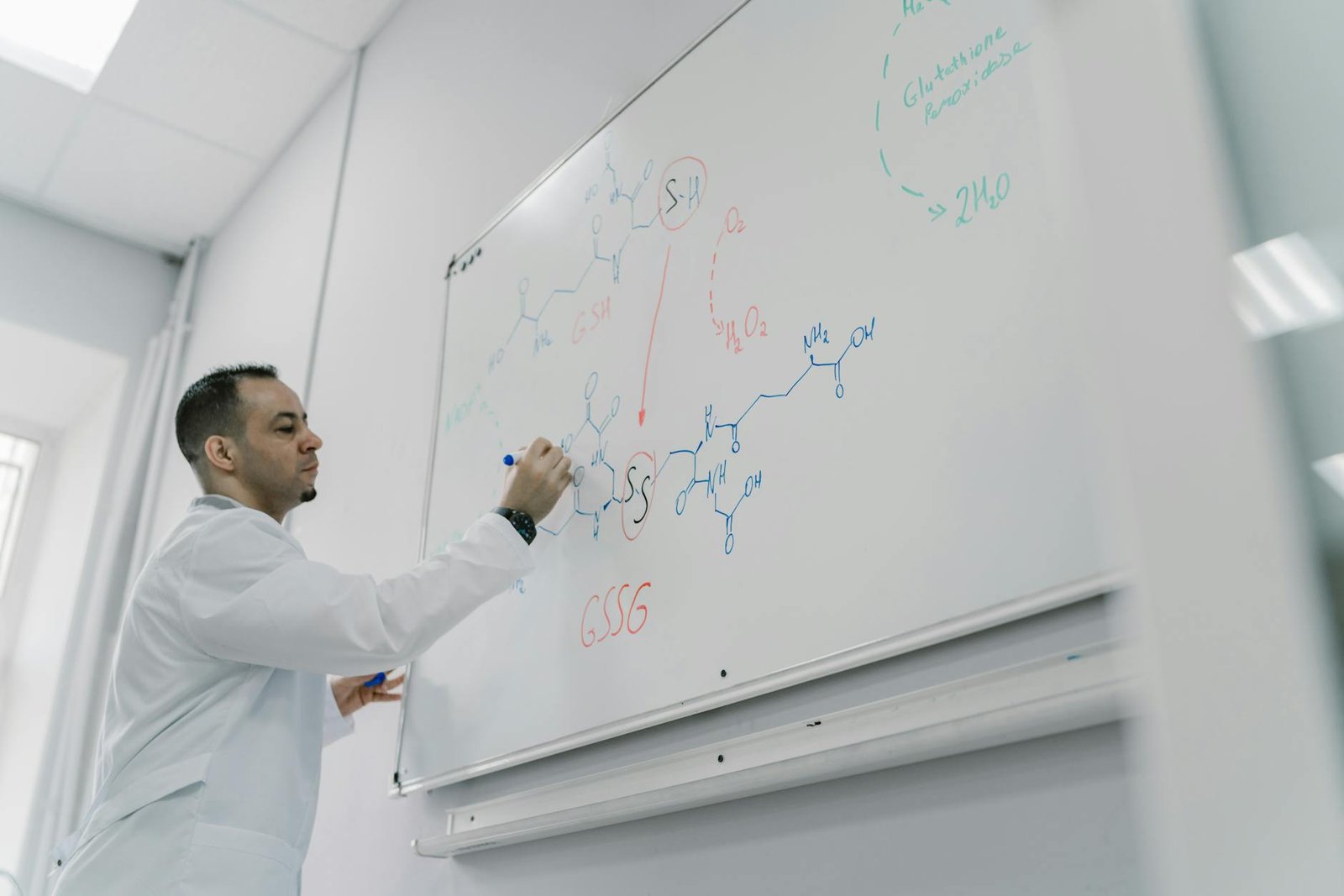
A thoughtful first lesson can begin with the student’s current schoolbook, a marked test and one or two confusing questions. The tutor can ask the learner to explain a reaction, interpret a formula or solve a short calculation at the level required by the board. This helps distinguish conceptual problems from weak arithmetic, unfamiliar symbols or incomplete written answers. A lengthy test is not required to spot the main issue, and students should feel comfortable admitting which step they do not understand.
The teacher can then suggest two or three specific learning targets. One student might practise balancing equations independently; another may need a clearer meaning of amount of substance. Ask for a baseline example completed without hints, so later work can be compared fairly. An effective plan should reflect the student’s actual needs rather than promise to finish every chapter at an unrealistic speed. Families can review the first-month goals and adjust them as learning develops.
What could a well-structured Chemistry lesson look like?
A useful lesson often combines short revision, a concept explanation, guided practice and a fresh problem solved by the student. The balance should change according to the grade and topic. A Class 9 pupil might spend more time describing a scientific idea aloud. A Class 12 learner could need extended work on one numerical or structural question. The tutor should make sure that the student understands why an equation or method applies before concentrating on speed.
An illustrative session could begin by reviewing a previous misconception, introduce a new idea with diagrams or examples, and finish with a question whose numbers or wording are unfamiliar. At the end, the learner should know what to practise independently. Homework does not need to be lengthy if it targets the right weakness. Parents can ask for a short summary of the concept taught, the error corrected and the next skill to revisit.
Class 9 Chemistry: atoms, molecules and scientific language

Class 9 Chemistry is often studied within general Science, and the exact topics depend on the learner’s board. The student may need to understand matter, particles, compounds, mixtures or basic chemical representations. A private tutor can use appropriate diagrams and familiar comparisons to make an abstract idea easier to explain. For example, a child may memorise the word molecule but struggle to distinguish it from a compound. The teacher should ask for explanations in the student’s own words and check them against accurate scientific meaning.
Schoolbook questions are a good starting point. After a guided explanation, students can identify examples or write a short scientific answer independently. If a numerical concept seems confusing, revisit relevant fractions and ratios rather than pushing ahead. For younger learners, shorter activities and frequent opportunities to ask questions can be more effective than memorising a large vocabulary list all at once. The goal is a secure foundation for later Chemistry.
Class 10 Chemistry: reactions, equations and careful answers

Class 10 Chemistry may include reactions, acids and bases, metals or carbon compounds, depending on the latest school syllabus. Students need to understand what symbols and chemical equations represent, not only reproduce a memorised equation. A teacher can explain conservation of atoms, demonstrate the reasoning involved in balancing and then give a fresh example. Written responses should use appropriate scientific terms, and diagrams must match the question. Reviewing school-test mistakes can reveal whether the learner needs conceptual revision or more careful presentation.
For CBSE students, the CBSE Academic website is an official source of curriculum-related information; school instructions remain important for the current course. A sensible weekly plan includes explanation, short practice and review of older errors. The tutor should check that the student can work without prompts. Extra classes may provide support, but they do not guarantee a particular board score.
Class 11 Chemistry: connect concepts with calculations

Class 11 can introduce unfamiliar scientific models and a greater amount of numerical reasoning. Depending on the curriculum, students may study atomic structure, chemical bonding, quantities of substances, equilibrium and other topics that build on earlier learning. When a child remembers a formula but cannot use it, the teacher should check prerequisite knowledge rather than add harder questions immediately. Algebra, proportions and units may need brief revision alongside the Chemistry idea.
A useful home lesson can break a chapter into a manageable sequence: define quantities, explain the concept, demonstrate one example and ask for an unfamiliar independent attempt. Older topics should be revisited because later chapters often depend on them. Parents can ask a prospective tutor whether they regularly teach Class 11 Chemistry for the student’s board and how the schedule will fit other senior-secondary subjects. The best plan supports independent problem solving rather than constant dependence on the teacher.
Class 12 Chemistry: organise board revision and difficult chapters

Class 12 learners may need to combine structural reasoning, chemical explanations and calculations across several topics. The current syllabus should guide revision; outdated chapter lists can waste valuable time. A home tutor can review recent assessments and group mistakes according to cause: inaccurate concepts, incorrect terminology, unit conversions or incomplete written working. Different mistakes require different corrections, so repeated copying of a model answer is rarely enough.
Students should have time to solve new questions and explain why their method is appropriate. Later revision can include short timed practice once understanding is secure. A responsible tutor makes realistic plans around school assignments and scheduled tests while leaving room for independent study. Parents should review comparable written work over several weeks and avoid promises about guaranteed marks. The aim is greater confidence, accuracy and understanding when facing unfamiliar questions.
Physical Chemistry: meaning before formula substitution

Physical Chemistry often combines scientific concepts with mathematical quantities. Students may find questions about moles, concentration or equilibrium difficult because they memorise relationships without understanding their units or assumptions. A tutor can teach a repeatable process: read the situation, write the given values, identify the unknown, choose a relevant principle and check the answer. If an error occurs, determine whether the cause is conceptual, mathematical or related to converting units.
After explaining one numerical problem, the teacher should change the values or wording so the learner can apply the method independently. This is particularly useful when the student recognises examples from notes but cannot solve new exercises. A small error notebook can track repeated difficulties. Students should follow the atomic masses and rounding conventions required for their board. More calculations do not necessarily mean more learning when the underlying meaning remains unclear.
A simple mole calculation the student can check

Consider a school-level example involving water, H₂O. Using approximate atomic masses of one for hydrogen and sixteen for oxygen, the molar mass is approximately eighteen grams per mole. If the mass of water is nine grams, the amount is n = 9 g ÷ 18 g mol⁻¹ = 0.5 mol. A tutor should explain why the mass is divided by the molar mass and why the resulting unit is moles. The learner should understand the relationship rather than copy a numerical pattern.
Now change the mass to thirty-six grams. The student should find approximately two moles, using the same molar mass, and explain why doubling the mass from eighteen to thirty-six grams doubles the amount. This follow-up tests proportional reasoning. A teacher can introduce another substance after checking that the student knows how to find its molar mass. Clear unit handling and independent explanation are useful goals for a private Chemistry lesson.
Organic Chemistry: structure and reaction-pattern learning

Organic Chemistry becomes less overwhelming when students understand how structures, functional groups and related transformations connect. Instead of memorising unrelated reactions, a tutor can ask the learner to identify the relevant part of a molecule and explain what changes under the conditions required by the syllabus. Precise structural drawing and scientific language are important. The level of detail should follow the student’s class and board; advanced mechanisms may not be appropriate for every school course.
Short concept maps can organise related examples, but should not replace the prescribed textbook. Students can draw a structure on their own and then attempt a new example without copying the teacher. If naming or bonding errors recur, those foundational ideas deserve extra attention. Revisit reaction relationships over several weeks rather than relying only on last-minute memorisation. This approach supports reasoning when an examination question is phrased differently.
Inorganic Chemistry: learn trends without misleading shortcuts
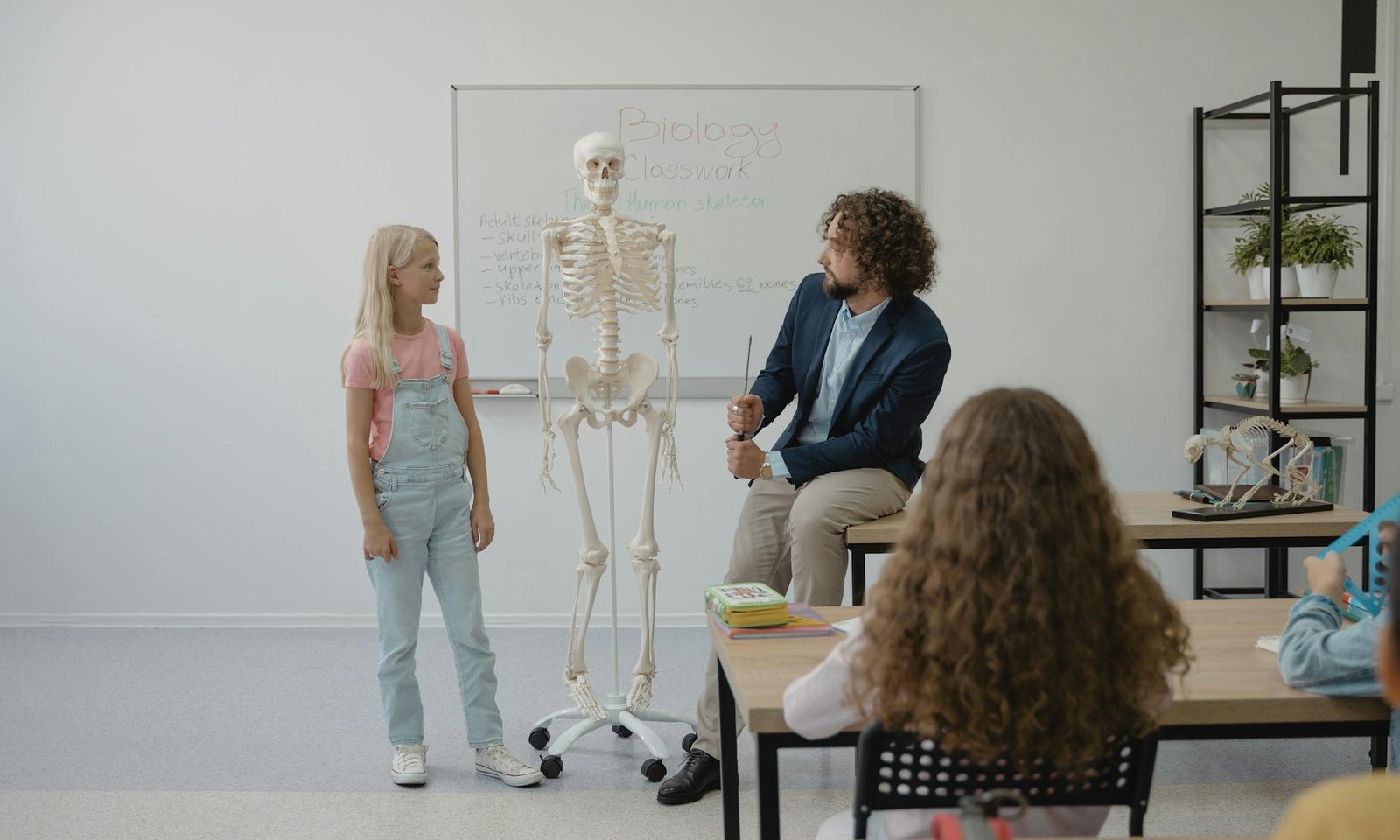
Inorganic Chemistry can involve many observations, properties and patterns. Tutors sometimes use tables or comparisons to help students organise the information, which is useful when the underlying relationships are explained accurately. Oversimplified shortcuts can be misleading when exceptions matter. A learner should know whether an answer follows a scientific principle or depends on an observation that must be recalled. Current school requirements should determine the examples and terminology practised.
Students can explain a relationship, write a short response independently and compare it with the expected scientific meaning. A tutor may use spaced revision to revisit terms and reduce forgotten details between lessons. When the child repeatedly gives an incomplete explanation, the teacher should identify which idea is missing instead of simply assigning another large set of questions. Parents can review progress through improved clarity and fewer recurring misconceptions.
Teaching practical Chemistry safely without a home laboratory

Chemistry lessons may refer to experiments, but at-home tutoring does not require families to handle chemicals, flames or specialised glassware. Scientific ideas can be taught through school-approved diagrams, textbook observations, appropriate videos and discussion of experimental purposes. Students should learn the distinction between an observation and a conclusion. If a course requires practical experiments, those should take place in authorised, suitably equipped settings with appropriate supervision and safety procedures.
Parents can ask the tutor how they intend to cover laboratory-related questions without exposing the household to unnecessary risk. A useful home exercise may involve interpreting a table of results, identifying a measurement or writing a reasoned conclusion. Safety is part of good scientific learning, not an obstacle to it. Students should never be encouraged to improvise potentially hazardous reactions or mix unknown substances at home for the sake of a lesson.
CBSE, ICSE, IB and Cambridge Chemistry need syllabus matching
The label Chemistry does not mean that every board uses identical topics, depth and examination formats. Parents should state the exact board, class and current school materials when arranging home tuition. CBSE, ICSE, IB and Cambridge programmes may differ in practical expectations, written answers and the sequence of concepts. A tutor with strong general subject knowledge still needs to adapt the lesson to the student’s prescribed course. Generic notes or question collections can create unnecessary work when they do not align with school expectations.
Families can check relevant resources on the official CBSE Academic and NCERT websites where applicable. For other boards, the student’s school and relevant official organisation should guide the syllabus. Ask a prospective teacher which boards they have recently taught and how they will choose practice questions. Accuracy and relevance are more valuable than a long list of generic chapters.
JEE or NEET Chemistry preparation: request a specialist

School Chemistry tuition and preparation for entrance examinations such as JEE or NEET share important concepts, but the required question practice and pace may differ. Families should name the intended examination during the first enquiry. A tutor who explains the school textbook clearly is not automatically experienced with specialist entrance questions. Ask about relevant experience, how weak concepts are identified and whether practice is adapted to the student’s current level rather than starting immediately with difficult timed sets.
A realistic plan needs space for school responsibilities and other entrance subjects. Conceptual understanding should come before rapid question solving, especially when the learner is confused by basic chemical quantities or notation. Parents can ask how the teacher will review mistakes and set achievable goals. No home tuition provider can responsibly guarantee an entrance rank or admission. Teaching suitability and measured progress matter more than promotional outcomes.
Panchkula sectors, MDC and Amravati: home-visit planning

Families across Panchkula sectors, Mansa Devi Complex and Amravati may have different travel and school schedules. A Chemistry tutor should be able to reach the student reliably at the agreed time, not merely have subject expertise. Share the general neighbourhood and a practical time window when enquiring. Evening traffic, other lesson commitments and residential society entry arrangements may affect feasibility. Exact availability must be checked for the particular class and route.
Parents can also consult the MDC Panchkula home tuition page and the Amravati Panchkula guide for related local information. These resources do not confirm that a specialist is available in every sector. Share detailed directions privately once a suitable arrangement is being considered. Consistency and punctuality help maintain a useful study routine.
Online Chemistry tuition as an alternative to home visits

One-to-one online Chemistry may be practical when a relevant specialist cannot travel or the family needs a different teaching slot. The teacher should be able to write equations, draw structures and explain numerical steps clearly on a shared screen or digital writing pad. Reliable internet and clear audio are important because learners need opportunities to interrupt with questions. A method for submitting handwritten answers can help the tutor review independent work instead of delivering a passive lecture.
In-person lessons may suit pupils who prefer discussing schoolbooks directly and writing on paper beside the teacher. The best format depends on the learner’s age, subject level, comfort and equipment. An introductory session may help the family assess clarity, subject to the current demo policy. Neither format guarantees examination results. Regular feedback, independent practice and a sustainable timetable remain necessary.
Chemistry home tuition fees, missed sessions and agreed terms

Home tuition fees can vary with the class, board, specialist experience, lesson duration, weekly frequency and travel distance. Class 9 school Science support may have different requirements from advanced Class 12 Chemistry or entrance-focused work. It would be misleading to publish an unverified price that appears to apply to all Panchkula families. Ask for a quote based on the actual student and teaching arrangement, including whether homework review or materials are included.
Before lessons begin, clarify payment timing, how missed classes will be handled, rescheduling and the notice required to change or discontinue tuition. Keeping the terms in writing can prevent misunderstandings. A high price does not automatically mean better teaching, while the lowest quote may provide poor value if lessons are unreliable. Consider subject fit, clear communication and practical scheduling alongside cost.
A four-week progress check and common parent questions

During the first week, record a few questions the learner can attempt independently and agree on two or three realistic goals. In week two, focus on the most important misconception and give related practice. In week three, revisit the same idea using unfamiliar examples to check retention. At the end of week four, compare work of similar difficulty and discuss what the student can now explain without prompts. Progress may show first as better confidence and fewer repeated errors before school marks noticeably change.
Which classes can enquire? Families can request relevant school Chemistry support, subject to tutor suitability and availability. Can I request NEET or JEE preparation? Specialist experience must be confirmed separately. Will a teacher travel to MDC or Amravati? Route and timing require a direct check. Is a demo free? Confirm current terms. Can lessons happen online? Ask about suitable one-to-one options. What should the initial message contain? Class, board, difficult topic, general Panchkula locality and preferred time.
BEST HOME TUITION – CHEMISTRY HOME TUITION IN PANCHKULA
Share class, board, Chemistry topics, general Panchkula sector and preferred teaching time.
Call 8872339669
Call Best Home Tuition WhatsApp Tuition Enquiry
Teacher availability, fees and demonstration arrangements are subject to confirmation.
