Home Tuition vs Online Tuition in 2026: How Parents Can Choose
Home Tuition vs Online Tuition in 2026: How Parents Can Choose — Compare visiting tutors and live online lessons for school students, with a decision checklist and practical questions. This guide is designed for families comparing practical home tuition options, not as a promise of exam scores or immediate tutor availability.
Why this topic matters now

Compare visiting tutors and live online lessons for school students, with a decision checklist and practical questions. Parents increasingly compare flexible teaching formats, digital resources and individual support. The best choice is not necessarily the newest tool or the longest schedule; it is the approach that helps the learner understand, practise and retain relevant material. Start with the student’s actual school needs and adjust after observing progress.
Focus area: travel and timetable

For travel and timetable, identify what the learner can already do without help. Ask for a short example or explanation before assigning new tasks. The tutor can demonstrate one method, invite the student to try a similar question and discuss the reason for each step. Keep notes about misconceptions so the next lesson begins at the right level.
Focus area: screen sharing and digital writing tools

When working on screen sharing and digital writing tools, use a small number of well-chosen tasks rather than a long generic worksheet. Ask the student to explain how they arrived at an answer and to compare two possible approaches. If errors continue, simplify the problem and check prerequisite knowledge. Practice should become more independent as understanding grows.
Focus area: student focus and supervision

A plan for student focus and supervision should include a clear learning outcome and a way to check it. Parents can request an example of the student’s work and ask what changed over several lessons. Avoid promises of guaranteed grades. Good teaching combines accurate content, regular feedback and a realistic workload.
Start with a clear learning goal

Write down the student’s class, board, latest school test results, difficult chapters and realistic weekly availability. Decide what improvement would look like in four weeks: fewer repeated errors, stronger explanations, more independent homework or better timed practice. Avoid using marks alone as the only measure, because confidence and foundational understanding also matter.
Check the current syllabus before planning

School boards and exam patterns can change. Compare the current school textbook, teacher instructions and official board materials before preparing a lesson sequence. A home tutor should not assume that an older guide or question bank matches the student’s current course. Prioritise chapters already being taught in school and schedule revision before assessments.
What a productive lesson looks like

Begin with a five-minute recap and one clear objective. The teacher should explain a concept with an example, ask the learner to describe it in their own words and then assign an independent question. The closing minutes can review mistakes and record a manageable next step. This structure works better than a session dominated by copying notes.
Track mistakes instead of repeating worksheets

Keep a small error log showing the date, topic, type of mistake and corrected method. Separate conceptual confusion from careless arithmetic, misunderstood instructions and time-pressure errors. Revisit the same skill with a different example after several days. Parents can ask the tutor for a brief explanation of which mistakes are reducing.
Match teaching style to age and subject

Primary students usually need shorter explanations, guided reading and encouragement. Middle-school learners benefit from examples connecting arithmetic, language and science to everyday situations. Senior-secondary students may need a subject specialist who can explain deeper concepts and assess exam-style responses. The right approach depends on the individual learner rather than a universal formula.
Keep homework useful and manageable

Homework should check whether the student can apply a lesson independently, not simply increase the number of pages completed. A short mixed set of questions can reveal misunderstandings more clearly than many nearly identical exercises. Agree with the tutor on the expected homework time and what to do when a question cannot be solved.
Build a realistic weekly routine

Allow time for school, travel, meals, rest and extracurricular activities. A home tuition schedule should leave space for independent study and revision. Avoid stacking several demanding subjects without breaks. If a student regularly appears tired or stops retaining material, discuss reducing session length or adjusting the timetable.
Use technology thoughtfully
Digital whiteboards, recorded explanations and practice quizzes can support learning when used for a specific purpose. Ask the student to solve problems without hints after viewing a demonstration. Treat AI-generated explanations as drafts to verify against trusted textbooks or a teacher. Do not upload sensitive student details or school records to unfamiliar tools.
Ask for simple progress updates

A useful weekly update can state the chapters completed, one skill improved, one unresolved difficulty and the next learning objective. Parents should be able to ask questions without turning every session into a high-pressure performance review. A short four-week review can help decide whether the plan, teaching style or subject emphasis needs changing.
Choose a tutor carefully

Ask about recent experience with the student’s class, board and subject. Request a short explanation of a difficult topic and observe whether the tutor checks understanding. Discuss punctuality, communication, teaching location and professional boundaries. Qualifications matter, but the ability to teach clearly and respond to questions matters too.
Agree on fees and arrangements in advance

Before starting, clarify session duration, weekly frequency, payment schedule, cancellations, replacement classes and notice terms. Confirm whether travel affects the quote and whether any introductory session is paid. Avoid assuming a specific fee or guaranteed tutor availability from an online article. Put important terms in writing to reduce misunderstandings.
Know when to change the plan

If the learner cannot explain recently taught ideas after several sessions, review the difficulty level and teaching method. A tutor may need to return to prerequisite concepts or use more examples. If the student is anxious or uncomfortable, invite feedback and consider a different teaching match. Progress is usually gradual and should be evaluated fairly.
A practical four-week action plan

Week one: review recent schoolwork, identify three priority difficulties and set a baseline. Week two: teach the first priority with worked examples and independent practice. Week three: revisit earlier errors while introducing the next topic. Week four: use a short review task and discuss whether the schedule, pace or subject focus should change. Adjust the plan for the learner’s school calendar.
Frequently asked parent questions

Is home tuition always better than group classes? Not always. Individual lessons can offer more targeted feedback, while group learning can suit some students and budgets. How soon will results improve? There is no reliable universal timeline; look first for clearer explanations and fewer repeated mistakes. What should I share in an enquiry? Class, board, subject, broad locality and preferred schedule.
For official curriculum information, consult CBSE Academic and your student’s current board guidance.
Compare the teacher’s experience, class timing, learning tools and feedback before choosing a format. A trial lesson can show how comfortably the student learns.
In-person lessons and handwriting

When a student struggles to organise written solutions, a visiting tutor can review notebooks at the desk and correct steps as they are written. This may be useful for mathematics, accountancy and diagram-based science questions. However, the teacher should still encourage independent attempts rather than solving everything for the learner. Parents can check progress by comparing corrected exercises over several weeks.
Online lessons and shared whiteboards

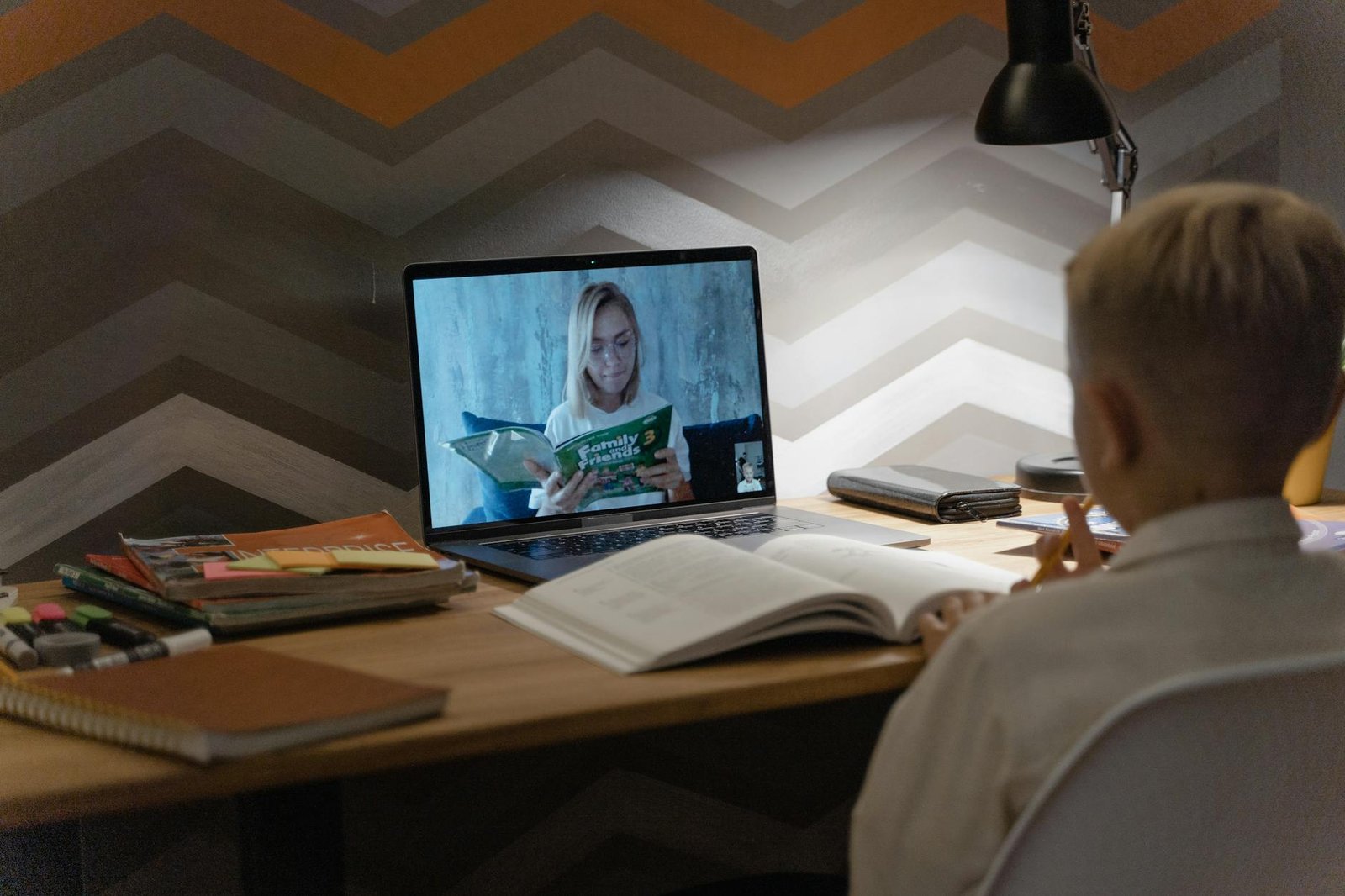
A live online teacher can explain calculations using a writing tablet or shared screen. Before enrolling, confirm that the student can read every step and send completed work for feedback. A reliable connection and quiet space matter more than complicated software. Ask the teacher to pause regularly for questions and allow the student to demonstrate the method independently.
Matching the format to the student

Some students concentrate better with a teacher physically present, while others feel comfortable learning through a screen. Consider the learner’s age, attention, confidence, subject and timetable. Avoid choosing solely because a format is popular. A short trial followed by independent practice can show which arrangement helps the student understand and remember the topic.
Reviewing the first month

During the first week, identify difficult chapters and agree on realistic learning goals. In the next two weeks, practise new questions and track repeated errors. At the end of the month, compare independent answers with earlier work. If the learner still needs constant prompts, discuss changing the teaching method or lesson frequency before adding more hours.
Home tuition for younger learners

Children in primary classes may need more guidance with routines, reading and basic written tasks. A visiting teacher can help maintain attention without requiring a child to manage technology. Online lessons may still work when activities are short and interactive and an adult can assist with setup. Parents should look for participation, clear explanations and manageable homework rather than judging the lesson by its duration.
Online tuition for senior secondary students

Students in Classes 11 and 12 may need specialist support in Physics, Chemistry, Mathematics, Biology or Commerce. Online lessons can widen the choice of available teachers, but subject expertise should be verified. Ask how numerical solutions, diagrams and written answers will be reviewed. A short demonstration using the actual learning platform can reveal whether the tools are suitable for the student’s subjects.
Planning lessons around school hours

A tuition timetable should leave space for schoolwork, meals, sleep and breaks. If a learner is tired after school, an additional long lesson may not be productive. Consider shorter focused sessions or alternate days depending on the subject. Parents can ask the tutor to set one objective for each meeting and review it at the next session. Consistency matters more than filling every available hour.
Checking the quality of feedback

Useful feedback identifies the specific step that needs correction and explains why. For home tuition, the teacher may mark notebook work directly. For online tuition, written comments, annotated documents or shared-screen explanations can serve the same purpose. Ask the student to correct a mistake independently after receiving feedback. If the same error appears repeatedly, the tutor should revisit the underlying concept rather than assign another identical worksheet.
Choosing a tutor for Maths and Science

A good tutor should explain the reasoning behind formulas and encourage students to attempt unfamiliar questions. During a trial class, ask the teacher to work through one topic from the current syllabus and then provide a similar question for independent practice. Whether the class is online or at home, the student should be able to show steps clearly and receive timely corrections. Board familiarity and teaching clarity are important.
Supporting students with learning gaps

When a learner struggles with new chapters, the difficulty may come from an earlier missing concept. The tutor should check prerequisite knowledge before moving ahead. Begin with manageable examples and gradually introduce harder questions. Avoid comparing the student with classmates or promising immediate marks. A simple record of what the learner can now solve independently provides a more meaningful measure of progress than the number of completed lessons.
How parents can monitor progress

Parents do not need a lengthy report after every lesson. A short weekly update can mention the topics covered, examples attempted independently, recurring mistakes and next steps. Ask the learner what became clearer and which question remains difficult. If homework consistently takes too long, discuss adjusting the workload. These conversations help parents support learning without creating unnecessary pressure.
Questions about technology and privacy

Online tuition involves video calls and sometimes shared files. Parents should understand which platform is used, whether sessions are recorded and who can access student materials. Avoid sharing unnecessary personal information in public chat groups. For younger students, agree on appropriate communication channels with the teacher. A clear arrangement about devices, materials and lesson access can make the experience more comfortable.
Home tuition availability in the Tricity

Families in Chandigarh, Mohali, Panchkula, Zirakpur and Kharar can compare visiting tutors with online subject specialists. When enquiring, share the class, school board, subject, general locality and preferred schedule. Visiting tutor availability depends on travel and the teacher’s timetable, so it should be confirmed individually. Online tuition may be practical when a particular specialist is difficult to find nearby.
Final checklist before enrolling

Before confirming lessons, compare the teacher’s subject experience, communication style, teaching tools, feedback method and fee terms. Ask how missed classes are handled and what progress reviews will look like. Make sure the student can participate comfortably and practise independently. The choice between home tuition and online tuition should remain flexible: review the arrangement after several weeks and adjust it when the learner’s needs change.
How to prepare for a home tuition demo
Before a visiting tutor arrives, select one topic that the student finds difficult and keep the relevant textbook and notebook ready. Explain the learning goal briefly, then allow the teacher to interact with the learner. Observe whether the tutor checks understanding and gives time for independent work. After the lesson, ask the student to explain what was learned. Confirm practical details such as lesson length, travel, timing and payment terms before making a decision.
How to prepare for an online tuition demo
Test the video platform, microphone and internet connection before the session. Ask the tutor to demonstrate how written steps, diagrams and assignments will be shared. During the lesson, check whether the student can read everything clearly and ask questions without difficulty. A strong online class should include practice and feedback, not just screen sharing. Discuss what happens if the connection drops and how completed work will be reviewed.
What to do when the first format does not work

If a student is distracted or confused after several lessons, identify the actual problem before changing tutors. The issue may be unclear explanations, unsuitable scheduling, weak connectivity or a missing prerequisite concept. Discuss the difficulty with the teacher and try a practical adjustment. If progress remains limited, compare another teaching format or specialist. Keep expectations realistic and evaluate independent understanding rather than promising a particular examination result.
Building a sustainable revision routine

Students learn more reliably when tuition is combined with manageable independent practice. After each lesson, revisit the main idea and attempt a fresh question without looking at the solution. Record mistakes and bring unresolved doubts to the next class. Use school assignments and the current syllabus to set priorities. Protect time for sleep, meals and breaks. A balanced routine is more useful than filling every evening with additional classes.
Parent takeaway: Compare both formats using a real lesson, a clear learning goal and independent student work. Review the arrangement after a few weeks and adjust it when necessary. There is no single format that suits every child or every subject.
Related reading: home tuition in Panchkula, home tuition in Zirakpur, and online home tuition. Check the latest syllabus and assessment instructions on your school board’s official website.
BEST HOME TUITION
Share class, board, subject, locality and preferred time. Tutor availability and fees are confirmed individually.
