Maths Home Tuition in Panchkula gives parents a way to enquire about individual lessons for school Mathematics at the student’s home, subject to a suitable tutor being available. The guide below focuses on practical home study: preparing a space, managing lessons, class-wise topics, fees, safety and evaluating progress. It is separate from pages that focus primarily on choosing a private tutor or on Maths course outlines.
Quick answer: Share the student’s class, school board, difficult Maths topics, Panchkula sector and preferred teaching days. Check tutor experience, travel, lesson structure and fees before confirming.
What is Maths home tuition in Panchkula, and who may benefit?

Maths home tuition means a teacher visits the student for individual lessons based on their schoolwork and learning needs. It can suit children who need help understanding arithmetic, middle-school algebra or more advanced numerical topics, provided an appropriate tutor is available. The key benefit is the possibility of adjusting explanations to the learner’s present level. A child may need to revisit fractions, while another might need to improve written steps or the interpretation of word problems. Simply adding hours of teaching does not automatically solve either issue.
Best Home Tuition welcomes enquiries about Maths home lessons in Panchkula. Families should share class, board, difficult topics, general locality and preferred timing. This page explains how to arrange and make the most of home lessons. For a broader guide to teacher qualifications and selection questions, parents can consult our Maths private tutor selection page. Actual teacher availability, teaching schedule and fees require confirmation.
What should parents share when requesting a visiting Maths teacher?

A useful first enquiry includes the child’s class, education board, subject, general Panchkula sector, preferred lesson days and available time range. Families should also describe a specific concern, such as difficulty with division, Class 8 ratios, Class 10 trigonometry or Class 12 calculus. This makes it easier to discuss what experience a tutor needs. A request for primary all-subject support is quite different from a requirement for a specialist in senior-secondary Mathematics.
Parents do not need to publish a complete residential address or detailed personal information in a public enquiry. Once a potential teacher’s subject fit is discussed, the family can confirm travel details privately. Ask about relevant teaching experience, how independent progress is assessed, fees and any current demo arrangement. Where a student has a school examination approaching, mention the syllabus and deadline but avoid assuming that any teacher can guarantee a particular result. A clear initial discussion can prevent unsuitable bookings.
Prepare a quiet space for Maths lessons at home
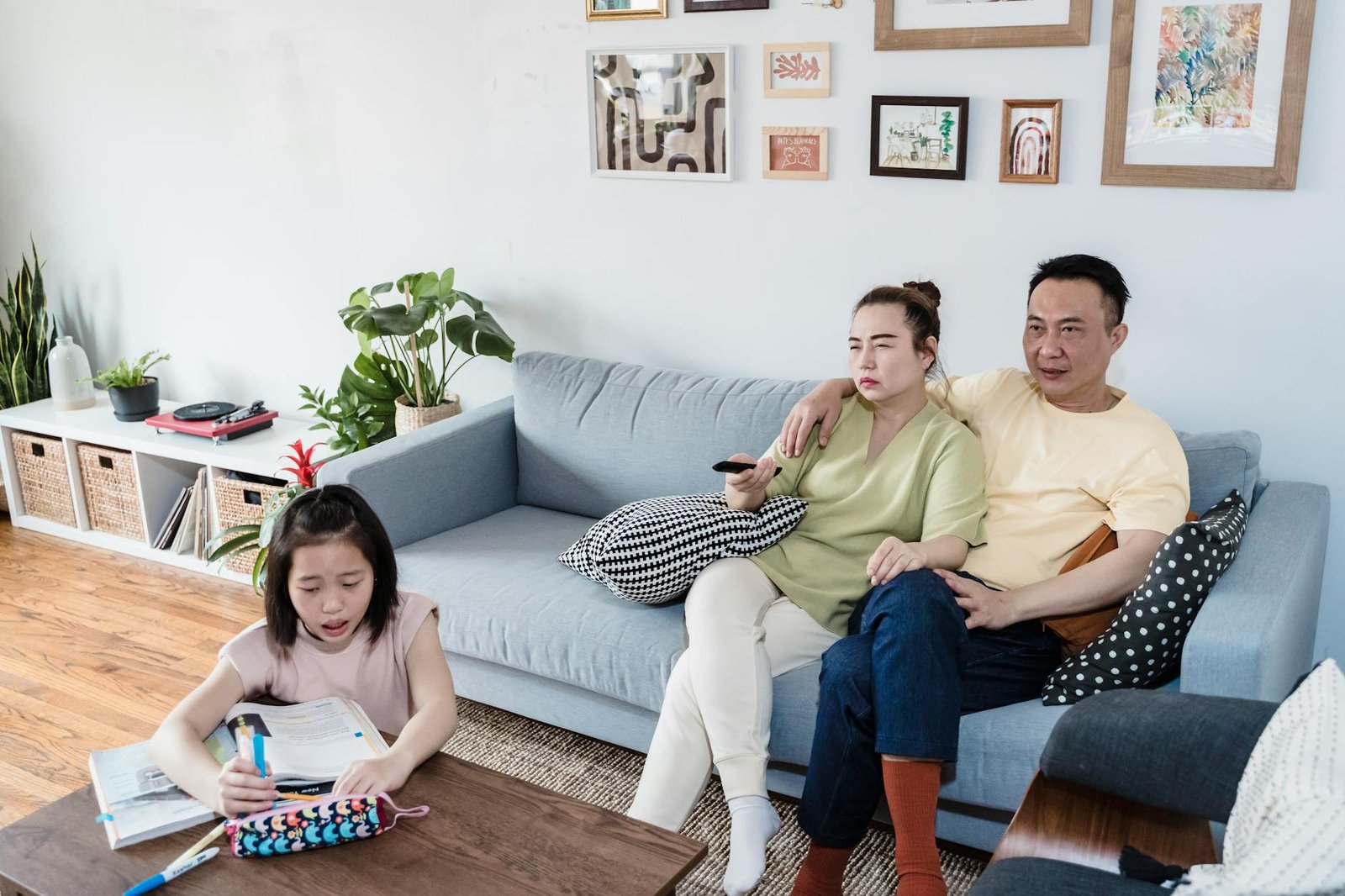
An effective home-study area does not need expensive equipment. A stable table, suitable chair, good lighting, school notebooks, a ruler, graph paper and writing materials are usually enough. Younger children may benefit from counters or simple everyday objects to explore quantities. Older learners can keep the current textbook and an error notebook nearby. Reducing phone notifications and household interruptions allows the student to concentrate on multi-step reasoning instead of repeatedly restarting a problem.
Agree where the tutor will sit and how the parent will receive practical updates. For younger pupils, appropriate adult awareness of home visits is important. The study space should feel comfortable enough for the child to say when an explanation is confusing. A supportive environment does not mean the teacher or parent completes every assignment for the learner. Ideally, each visit leaves some independent practice to finish before the next class, which gives both parties useful feedback.
What happens in a well-planned one-to-one Maths session?
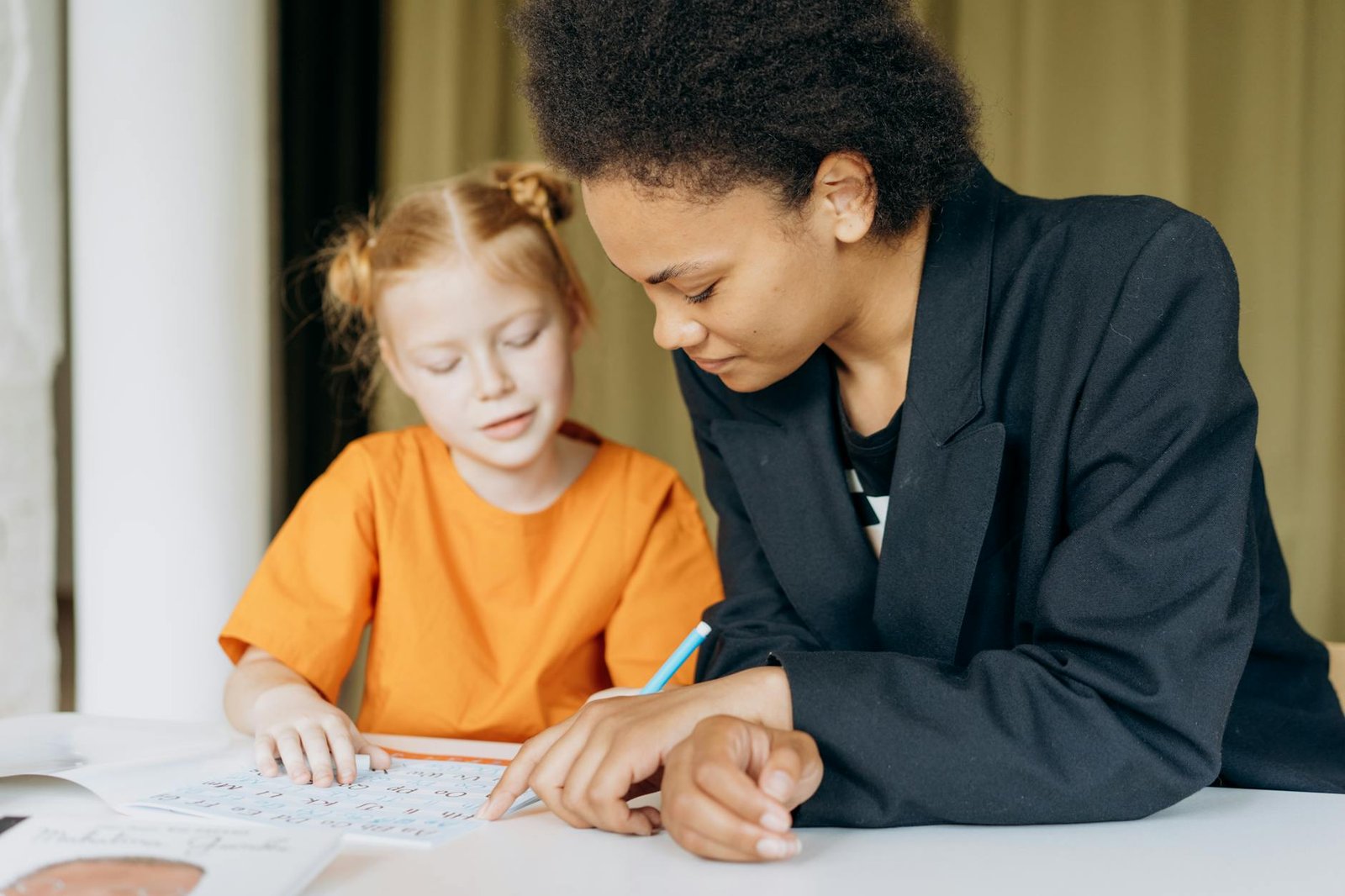
One possible lesson structure begins with a short review of a previous error, followed by explanation of a new idea, guided examples and independent practice. The exact balance depends on the student’s age and topic difficulty. For a younger learner, a long lecture may not be suitable, while a Class 12 pupil may need uninterrupted time to work through an extended question. A useful tutor changes the pace when a step has not been understood, rather than rush to tick off more pages.
Parents can ask what their child will be able to demonstrate after the session. That might be calculating fractions correctly, interpreting an unfamiliar word problem or writing a geometric proof with justifications. The teacher should invite questions and give specific corrections. Completing the school homework during class can sometimes be useful, but only if the learner is actively understanding and attempting the work rather than watching someone else finish it.
Classes 1 to 3: early arithmetic through familiar examples

Primary Maths lessons may involve counting, place value, basic operations, number comparisons and simple shapes. Children often understand more when a teacher uses familiar objects or drawings to show a quantity. For example, placing three groups of four counters makes the meaning of multiplication more visible than memorising a table without context. The teacher can then ask the child to make another arrangement and describe the total. Short, varied tasks can suit children who are still developing concentration.
An encouraging tutor should give the child time to try again after a mistake. Progress may appear as better number sense, greater willingness to explain an answer or an ability to estimate whether a calculation makes sense. Parents can reinforce the lesson through ordinary situations such as counting plates or comparing lengths. Heavy homework is rarely a substitute for clear explanations and age-appropriate activities.
Classes 4 and 5: fractions, decimals, measurement and stories

Classes 4 and 5 build foundations for more demanding middle-school topics. Pupils may need to understand fractions, decimals, division, measurement and word problems. A useful tutor begins with the child’s school exercises to see whether the obstacle is a missing concept, inaccurate calculation or misunderstanding of the question. Visual examples can help show why one-half is equal to two-quarters before the learner works with symbolic rules. Problems should gradually change so students do not depend on one memorised example.
For word problems, invite the child to explain what is known, what must be found and why an operation is suitable. This is stronger than searching for a single keyword and guessing whether to add or multiply. A short independent problem at the end of the lesson reveals whether the explanation worked. Parents can ask for one or two manageable practice tasks rather than pages of repetitive work.
Classes 6 to 8: arithmetic gaps can appear as algebra problems
When students begin using variables, ratios and negative numbers, weak earlier foundations often become more noticeable. A student who struggles with equations may not fully understand fractions or order of operations. A tutor can diagnose the earliest missing skill and revisit it with simple examples before returning to the current school chapter. This is not wasted time; it often makes later learning more efficient. Graphs, geometry and percentages may also need clear visual or practical explanations.
Students can maintain a small doubt notebook with questions that caused difficulty at school. During tuition, the teacher can address one concept, demonstrate an example and then provide a new question for independent work. If the child still cannot explain the method, change the explanation rather than simply increase the number of questions. Parents should ensure the weekly timetable leaves enough time for school assignments, recreation and rest.
Class 9 Maths: practise explanations and correct methods
Class 9 Maths can require more precise reasoning in algebra, geometry and related syllabus topics. A learner might recognise a worked example but struggle when the wording or numbers change. A home tutor can teach a routine: read the problem, identify the given facts, choose a method, write each step and check the result. For geometry, the pupil should explain why a relationship is true rather than copy the diagram and conclusion without justification.
Recent school tests can reveal repeated errors in signs, formulas, diagram labels or interpreting the question. An error log helps the student notice patterns and revisit them in later weeks. A useful lesson should include at least one unfamiliar question attempted without hints. Parents can review progress by comparing problems of similar difficulty across the month, not by expecting a dramatic improvement immediately after a single lesson.
Class 10 Maths: work from the actual board syllabus

Class 10 students may need support with algebra, trigonometry, geometry, statistics or probability, depending on the school board. A tutor should ask for prescribed books, upcoming test chapters and examples of difficult questions before designing a revision plan. The student must learn when a method applies, not simply repeat a solved example. Attention to written steps and common errors is important because an inaccurate sign or omitted justification can affect an otherwise sound answer.
For relevant CBSE courses, parents can review the official CBSE Academic website and school guidance. Tuition can combine short concept reviews, independent question sets and correction of mistakes from earlier assessments. Timed practice may help with pacing once the learner understands the concepts. A realistic goal is more accurate independent problem solving; no tutor can promise a specific board score or rank.
Class 11 Maths: preparing for more abstract reasoning
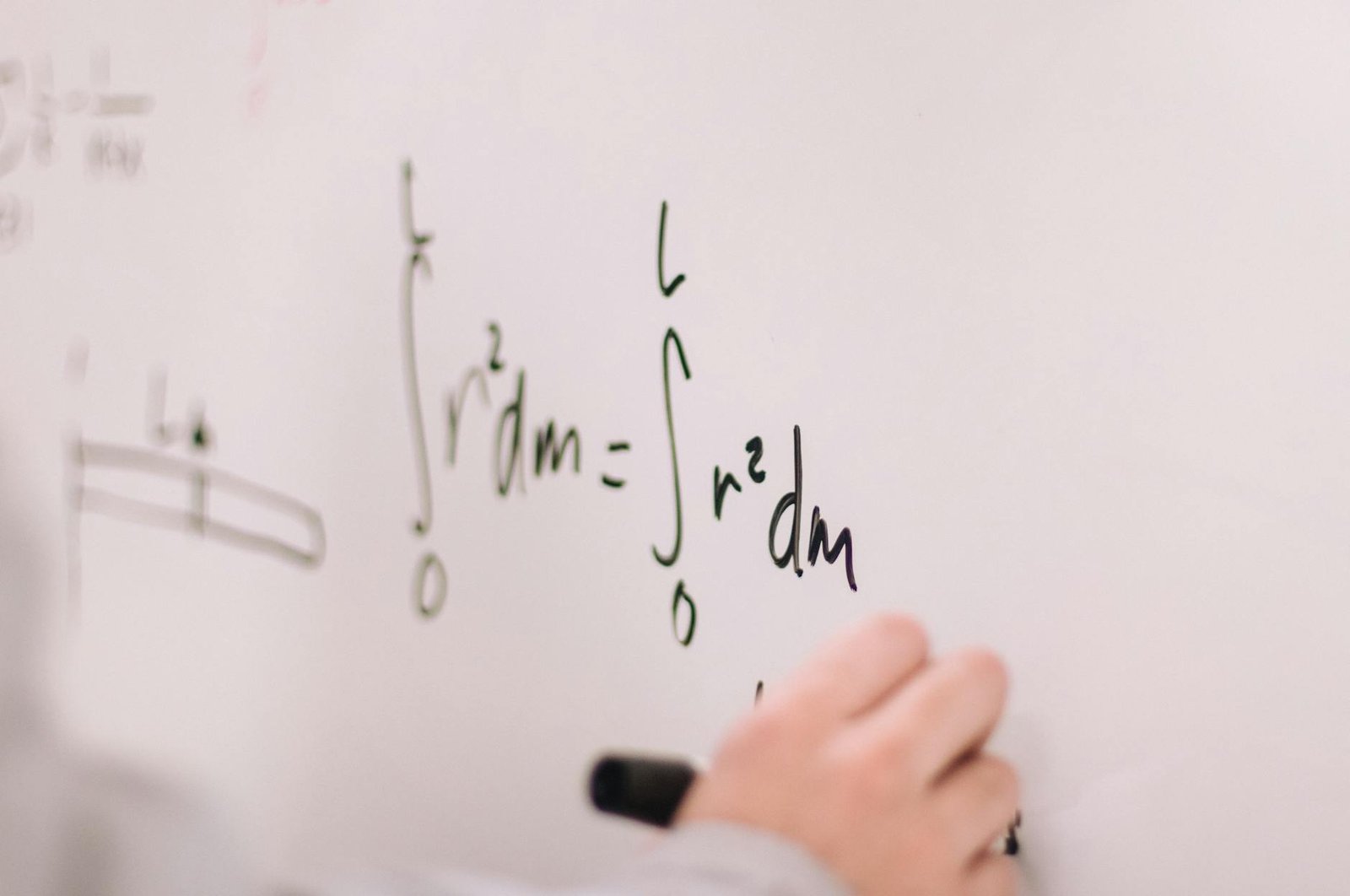
Class 11 Mathematics often requires students to understand abstract notation, relationships and graphs in greater depth. The actual chapter sequence depends on the prescribed board. When a student struggles with functions or expressions, a tutor can connect tables, graphs and equations to show how they describe the same relationship. Revisiting earlier algebraic operations may be necessary before advancing to harder practice. The learner should be encouraged to explain why a step works, not just what comes next.
A visiting teacher with relevant Class 11 experience can plan concept lessons alongside independent practice that follows schoolwork. Parents should clarify the specific board and whether the student is also considering engineering entrance preparation. That goal may require additional specialist work and should not automatically be assumed to be included in ordinary school tuition. A manageable schedule protects time for other subjects and revision.
Class 12 Maths: longer solutions and checking each step
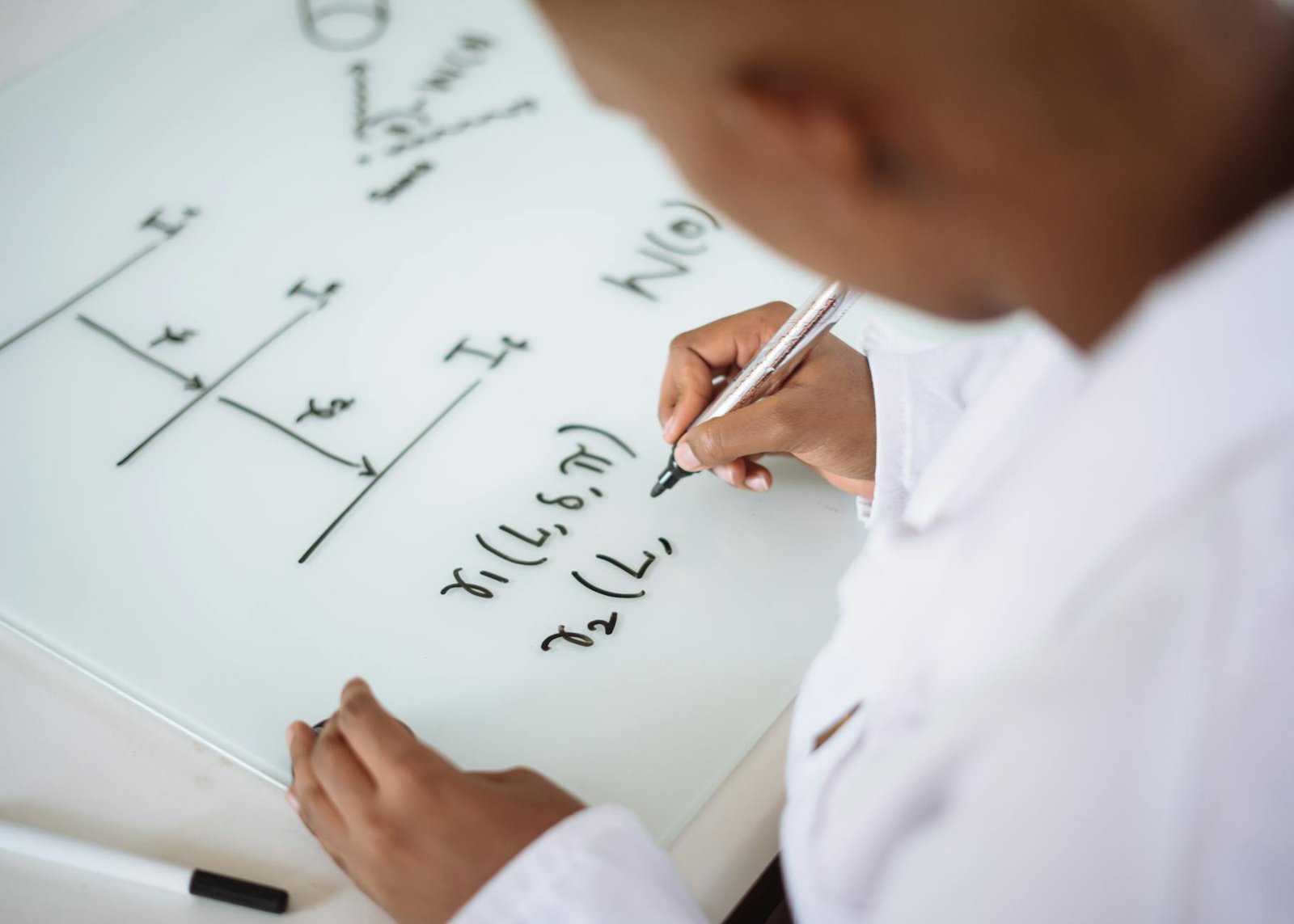
Class 12 students may face multi-stage problems involving calculus, algebra, probability and other syllabus-specific topics. A small error near the start of a solution can affect the whole answer. An effective home tutor helps the learner identify the kind of question, choose a valid approach and justify each step. Independent practice should include new problems that require thinking, not only repeated patterns from a solved notebook.
Parents can ask how the tutor will balance current chapters, earlier weaknesses and approaching assessments. Revisiting foundational ideas may be appropriate when the student repeatedly makes the same mistake. Timed exercises can be useful once the concepts are secure, but should not replace careful review of solutions. For JEE Maths, confirm actual entrance-exam experience separately. A realistic plan aims to improve the student’s reasoning and confidence without guarantees about ranks or admission.
A worked Maths example: solve an equation and check it
Consider the equation 4x + 5 = 29. A tutor can explain that the same operation must be performed on both sides to preserve equality. Subtracting five gives 4x = 24. Dividing by four gives x = 6. The student can check by substituting six into the original equation: 4 × 6 + 5 = 29. This shows why the method works, rather than merely giving the final value. A teacher should invite the learner to describe each step aloud.
Next, provide an unfamiliar equation such as 3y − 7 = 20. The learner can attempt it alone, verify that y = 9 and explain how the operations were reversed. If difficulty appears when negative values are included, a short review of integers may be helpful. Changing the problem tests whether the method has been understood and gives the tutor evidence for deciding the next lesson.
Geometry and trigonometry: explain the meaning of diagrams
Geometry questions often require interpreting a figure, recognising properties and writing a logical justification. A tutor can ask what information is provided, which relationships are known and which conclusion has to be proved. The learner should label diagrams carefully and explain why a particular theorem is relevant. A solution that is copied perfectly may still conceal confusion if the pupil cannot solve a similar question with the figure rearranged.
Trigonometry can be approached by connecting ratios and identities to the problem situation and diagrams at the student’s syllabus level. Rather than memorising a list of formulas without context, practise choosing when each relationship applies. The teacher can review errors in notation, sign conventions and algebraic simplification. Short revisits across weeks may help students retain these connected ideas better than intensive last-minute copying.
Statistics and probability: read graphs before calculating
Statistics questions can involve organising data, reading graphs and interpreting a result. A pupil may calculate an average correctly but misunderstand what the number represents. A tutor can start with familiar examples and ask the student to identify the axes, units and required quantity. Probability also benefits from careful counting of possible outcomes and clear interpretation of the question. The level of work should follow the student’s grade and school syllabus.
A useful routine is to read the problem, list the relevant information, choose an approach, carry out the calculation and explain the answer in words. Change the dataset or context after a guided example to check independence. Parents can ask whether their child understands unfamiliar graphs rather than only replicating a memorised procedure. Precise interpretation and mathematical reasoning should remain part of a balanced Maths tuition plan.
Panchkula sectors, MDC and Amravati: in-person timetable

Families enquiring from Panchkula sectors, Mansa Devi Complex (MDC), Amravati and adjacent neighbourhoods should describe a general locality and practical teaching window. A home tutor needs both suitable subject expertise and enough travel time between sessions. A teacher with excellent academic skills may still be an unsuitable match if the journey makes punctual attendance difficult. After-school traffic and society entry arrangements can affect class timing, especially when a student has other commitments.
Parents can consult the MDC home tuition guide or Amravati Panchkula guide for local context. These pages do not guarantee a tutor is available in any specific street or society. Share full household directions privately after discussing a suitable arrangement. Confirm lesson days, expected arrival time and rescheduling rules before starting.
Is online one-to-one Maths an alternative to home visits?

Online individual Maths tuition may be practical if a specialist cannot travel to a requested locality or the family prefers a different schedule. It works best when the tutor can display clear step-by-step calculations and diagrams, and the learner can show their own handwritten or digital solutions for correction. Stable internet and reliable audio matter because students should feel able to interrupt an explanation and ask questions. A shared whiteboard or digital writing pad can be especially useful for algebra and geometry.
In-person teaching may be more comfortable for younger children or students who need direct help organising written work. Neither format automatically guarantees better results. Families can compare concentration, equipment, subject level and convenience. Our online home tuition guide provides further practical considerations. A short introductory lesson can help assess suitability, subject to current conditions.
Home Maths tuition fees, payment and missed classes

Home tuition fees can depend on class level, board, teacher experience, subject depth, weekly frequency, lesson duration and travel distance. Primary arithmetic support is not directly comparable with advanced Class 12 Mathematics or specialist entrance preparation. A broad published hourly rate may not represent the actual arrangement. Families should ask for a quote covering the intended subjects and timetable, including what revision or progress feedback is included.
Before confirming, clarify when payments are due, whether missed classes can be rescheduled and what notice is needed to stop or change tuition. Keeping these expectations in writing helps reduce misunderstandings. A high fee does not prove the teaching approach is better, and the cheapest option may be poor value if the tutor cannot attend regularly. A practical arrangement combines dependable attendance, relevant expertise and a workload suited to the student.
A four-week home Maths learning plan for parents

During the first week, the tutor can review school tests and identify two or three measurable goals, such as understanding fractions, reducing sign errors or explaining geometry steps. Record a few questions solved without hints as a starting point. In week two, focus on the most important gap through clear explanation and appropriate practice. Week three should revisit the idea with new problems and some mixed revision so the learner must apply it independently.
At the end of week four, compare work of similar difficulty and ask what the student can now solve alone. Progress might first appear as clearer reasoning, fewer repeated mistakes or a willingness to attempt new questions before test marks noticeably change. If improvement is limited, discuss adjusting the lesson pace or revisiting an earlier skill rather than automatically adding more hours. A useful tutor offers specific feedback and a realistic next goal.
Keeping Maths tuition safe, balanced and supportive

Families should agree on a suitable place for lessons, age-appropriate supervision and a respectful way to discuss schoolwork. A learner should be able to say when a question is confusing without embarrassment. Parents may ask for teaching qualifications and references where practical and discuss any male or female tutor preference alongside subject requirements. Private household details need not be shared in public messages while beginning an enquiry.
Maths home tuition should fit around schoolwork, meals, sleep and other activities. Too many extra questions can leave a child little time to practise independently or rest. Ask the tutor for a manageable amount of meaningful practice and feedback. When a routine is not working, discuss changing the pace or teaching method. Punctuality, clear communication and the student’s comfort all contribute to an effective academic arrangement.
Maths home tuition FAQs and enquiry details

What classes can ask about Maths home tuition? Families may enquire for Classes 1–12, subject to suitable tutor availability. Can a tutor cover Class 10 Maths? State the board, current chapters and preferred timing. Can Class 11 or 12 students request a specialist? Yes, explain the exact course and learning needs. Is JEE Maths included? Specialist entrance preparation must be discussed separately. Are classes possible in MDC or Amravati? The teacher’s travel route and time must be checked.
Is a free demo guaranteed? Confirm the current offer and conditions directly. Are fees fixed for every grade? No; they depend on the teacher, class, timetable and travel. Can lessons be online? You may enquire about individual online alternatives. What should be sent in the first message? Student’s class, board, subject topics, general location and timing. Contact Best Home Tuition on 8872339669 to discuss suitable arrangements before paying or confirming lessons.
BEST HOME TUITION – MATHS HOME TUITION IN PANCHKULA
Send class, board, difficult Maths topics, general locality and preferred time for a tutor enquiry.
Call 8872339669
Call Best Home Tuition WhatsApp Maths Enquiry
Actual tutor availability, fees and any demo policy require direct confirmation.
