Maths and Science Home Tuition in Mohali | Classes 6–12

Maths and science home tuition in Mohali, Punjab, India can help students strengthen concepts in Classes 6–12 through individual teaching matched to board and actual learning gaps. Best Home Tuition accepts enquiries subject to appropriate teacher experience and availability. Call 8872339669 for current options.
Quick answer: Tell us the student’s grade, board, specific Maths or Science difficulties, Mohali locality and preferred times. Ask about subject-specialist experience, lesson plans, fees and any introductory session terms before proceeding.
Maths and science home tuition in Mohali supports focused lessons for students who need individual help with calculations, concepts, practice questions and exam revision. For Classes 6–12, parents can discuss teacher specialisation, the learner’s board, suitable tuition hours and measurable study goals. Fees and tutor availability vary by Mohali locality; call 8872339669 to enquire.

Maths and Science home tuition in Mohali for Classes 6–12

Families seeking Maths and Science home tuition in Mohali may need help with a specific chapter, a weak foundational skill or structured examination practice. A Class 6 student having difficulty with fractions needs different teaching from a Class 12 learner studying Physical Chemistry or advanced Physics. Begin with the school board, grade, actual topics and an example of the student’s independent work. A teacher can then identify what kind of subject expertise and explanation style may fit. Best Home Tuition accepts enquiries for suitable teachers, with fees and timetables confirmed individually.
This page concentrates on Mathematics and Science teaching for secondary and senior-secondary students rather than promising unrestricted tutoring for every academic or professional qualification. Some students may also need English or other school subjects, but individual expertise must be checked separately. A useful tutor can explain one idea, observe the learner attempting a new question and clarify which earlier skills require practice. The family should plan lessons around real school requirements and healthy study routines, not advertising claims about guaranteed grades or universally available specialists.
Maths tuition: fractions, algebra, geometry and exam practice

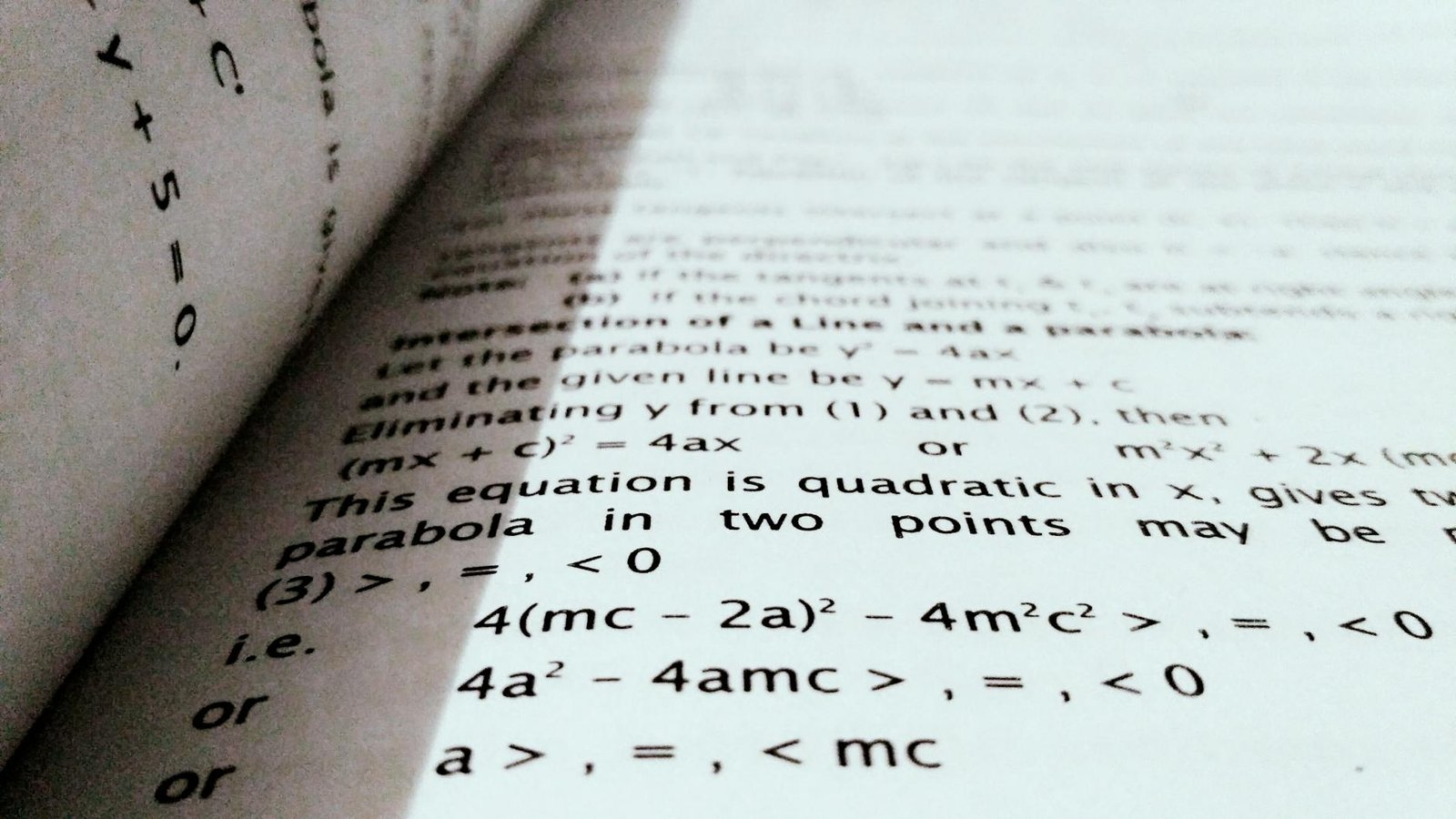
Maths tuition can focus on number operations, percentages, algebraic expressions, equations, geometry, coordinate ideas or trigonometry according to the actual board syllabus. The goal is to understand why a method works. If a learner has difficulty solving equations, a tutor can first check fraction operations and integer signs before progressing. A new word problem then shows whether the child can apply the explanation independently. Merely copying a model solution does not demonstrate a secure grasp of the concept.
A practical lesson may start by reviewing a recent school test and identifying the earliest incorrect step in a problem. The tutor can demonstrate a suitable method, ask the student to describe the reasoning and assign a small set of varied questions. The learner should attempt these between lessons, with specific feedback the following week. Parents can discuss the right balance of concept lessons and revision for Classes 9–10 or advanced Mathematics in Classes 11–12. Current CBSE guidance can be checked through the official educational resources linked below.
A subject-specific first lesson instead of guaranteed free demos

A first meeting can help parents see how a proposed Maths or Science teacher explains an actual school question. It should not be advertised as automatically free without checking the provider’s current conditions. Ask whether an introductory class is available, its duration, and whether a charge applies. Give the teacher a real problem that the learner struggled with. After an explanation, watch whether the student can attempt a related question with less assistance and whether the tutor responds constructively to mistakes.
Parents should also confirm whether the teacher has recent experience with the child’s class and board. A tutor who teaches Class 7 Science may not have advanced experience with Class 12 Physics or Chemistry. Subject requirements should be discussed clearly, particularly where JEE or NEET preparation is intended. Agree on a realistic study timetable, current fee quote, missed-class arrangements and progress feedback before booking. No single introductory lesson or specialist claim can guarantee a rank or examination percentage.
Mohali neighbourhoods and a workable learning timetable

Families in Mohali can share a general sector or neighbourhood when asking about visiting tuition. A teacher’s travel route, available teaching hours and current assignments influence whether regular home visits will work. Avoid assuming that a subject specialist can reach every city and residence at all times simply because an old page lists a long group of locations. Offer two or three feasible windows around school commitments. Exact household details can be discussed privately with the appropriate person once practical suitability has been checked.
Parents can also ask whether individual online tutoring is available when travel would make an in-person specialist impractical. For Maths and Science, the teacher should be able to present equations or diagrams clearly and review the child’s written answers. Keep time between sessions for independent practice, school homework, meals and rest. A sustainable schedule with targeted feedback is more useful than too many classes in which the pupil only watches explanations. Availability, fees and demo terms should always be confirmed for the specific requirement.
Physics, Chemistry and Biology support by school level

Physics support may involve graphs, units, diagrams, conceptual explanations and multi-step numerical questions. Chemistry can require accurate interpretation of symbols, processes and calculations; Biology may involve scientific vocabulary, labelled diagrams and an understanding of systems. The right specialist depends on whether the learner is in middle school, Classes 9–10 or a senior-secondary course. A general Science teacher and an entrance-exam specialist are not necessarily interchangeable. Ask the provider about recent teaching experience with the correct syllabus.
For relevant CBSE courses, the CBSE Academic website and NCERT offer official educational resources. Other boards should be checked through their own official materials. Families can read the Mohali tuition overview and online tuition information for related choices. To discuss a suitable Maths or Science teacher, share the learner’s class, board, chapters, general location and possible times with Best Home Tuition at 8872339669.
How to choose home tuition in Mohali

Start with the student’s class, board, difficult subjects and preferred time. A useful tutor asks questions about schoolwork and identifies gaps before prescribing worksheets. Ask how the teacher explains difficult concepts, checks independent understanding and provides progress updates. Subject knowledge, reliability and the student’s comfort matter more than advertising claims. Request qualifications and references where available. Set realistic learning goals and review them after several weeks. Tuition should build independent understanding rather than reliance on supplied answers. No tutor can responsibly guarantee examination marks.
Primary school tuition for Classes 1 to 5

Young children may need help with reading, writing, spelling, arithmetic and confidence in school tasks. Ask a teacher to use school books, pictures, short explanations and manageable practice. A child who struggles to read aloud may benefit from patient guidance instead of repeated testing. In mathematics, simple objects and drawings can explain number sense. Keep time for play, rest and family activities. Progress may first appear as greater willingness to try new questions. Parents can review a small sample of independent work each week.
Middle school tuition for Classes 6 to 8

Middle school introduces more abstract mathematics, science explanations and longer written answers. A tutor should check earlier foundations before teaching advanced chapters. Students benefit from guided examples followed by independent practice. Encourage them to explain why an answer works and to ask about confusing steps. Short weekly reviews can identify repeated mistakes. A realistic plan should balance current homework with revision of weaker topics. Parents can ask for clear feedback on progress rather than a large quantity of worksheets.
Class 9 and 10 exam preparation

Board preparation works best when students understand the syllabus and practise consistently. Mathematics requires reasoning and varied questions; science requires concepts, diagrams and applications. English and social science also need structured writing and revision. Ask the tutor to follow school materials and the relevant board curriculum. Families can consult CBSE Academic for official information. Review school test mistakes and make a realistic revision calendar. Past papers can help after core ideas are secure. Avoid promises of guaranteed marks or ranks.
Class 11 and 12 specialist subjects

Senior-secondary Physics, Chemistry, Mathematics, Biology, Accountancy and Economics often need specialist subject knowledge. Share the exact board and chapters before enquiring. In physics, students should explain principles and check units; in chemistry, they should connect reactions to concepts; in mathematics, they should solve unfamiliar problems independently. Commerce subjects require clear reasoning behind entries and diagrams. Students preparing for JEE or NEET should confirm relevant examination teaching experience separately. Availability varies by subject and schedule, and no teacher can guarantee a particular outcome.
Mathematics tutoring and problem solving

Mathematics difficulties often stem from gaps in fractions, equations or interpreting word problems. Ask a tutor to assess prerequisite skills before moving to harder exercises. Good lessons combine explanations, worked examples and fresh questions completed independently. An error notebook can distinguish arithmetic slips from conceptual mistakes. Encourage clear working and checking answers. Parents can read our maths tutor guide for further advice. Progress should be judged through independent reasoning, not only speed.
Chemistry tutoring and revision

Chemistry learners need conceptual explanations as well as numerical and written practice. Physical, organic and inorganic topics may require different study methods. Ask the tutor to explain why a reaction or calculation works rather than relying only on memorised answers. Use the current school syllabus and prescribed textbook. Regular revision and review of common mistakes can make learning more effective. Our chemistry tutor guide has more subject-specific considerations. Specialist availability should be confirmed.
Commerce, English and social science

Accountancy tutoring may begin with understanding transactions before journal entries and ledgers. Economics requires interpreting graphs and cause-and-effect relationships. English learners may need comprehension, grammar and structured writing practice. Social science students benefit from timelines, maps and clear explanations rather than memorised paragraphs. Ask teachers to use the prescribed syllabus and provide feedback that explains how an answer can improve. Our accounts tutor article offers further guidance. The goal is independent understanding.
Mohali sectors and local tutor availability

Families in Phase 3B2, Phase 5, Phase 7, Sector 70, Sector 71, Aerocity, Kharar and nearby areas should mention their locality and preferred lesson slot. Actual availability depends on subject, class, travel distance and schedule. Do not assume every tutor covers every area. Ask whether online tuition is suitable if a home visit is impractical. Avoid posting a child’s complete address publicly. Compare our Mohali home tuition guide and Mohali tutor guide for related information.
Fees, trial classes and safety

Confirm lesson length, number of weekly sessions, fees, payment dates and arrangements for missed classes. If a free demonstration is advertised, ask about its current terms. Parents can request relevant identity and qualification checks and references where available. For younger students, agree on appropriate supervision and a suitable study area. Keep the practical arrangements in writing. A good tutor explains the teaching plan and how progress will be reviewed. Avoid selecting solely on price or unrealistic promises.
Measuring learning progress

Set two or three practical goals at the start of tuition and review them after several weeks. Look for fewer repeated errors, clearer explanations, more independent homework and stronger performance on fresh questions. School marks can help, but paper difficulty and other factors also matter. Ask the teacher which concepts have improved and which need more work. If progress is limited, consider revisiting foundations or adjusting the teaching pace. Consistent feedback and realistic goals are more useful than instant-result claims.
Frequently asked questions about Mohali tuition

How do I enquire?
Share class, board, subject, Mohali locality and preferred time. Confirm actual tutor availability.
Can I request a male or female teacher?

Yes. State your preference and consider the teacher’s experience and the student’s comfort.
Is a free demo available?

Ask about the current offer and conditions before booking.
Can tuition guarantee marks?
No. It can support learning and practice but cannot guarantee examination results.
Where can I find official books?

Consult NCERT and school-prescribed materials.
A practical first-month tuition plan

During the first week, the tutor should review recent schoolwork and identify the student’s main difficulties. Instead of immediately assigning a large amount of homework, a short assessment can reveal whether gaps involve reading the question, remembering a rule or applying a concept. In the second week, the teacher can focus on one or two priority skills and demonstrate a method before the learner tries it alone. The third week can combine new work with revision of earlier mistakes. In the fourth week, ask the student to complete comparable fresh questions independently and discuss what has improved. Parents can request a short written update listing topics covered, current strengths and next steps. This process is not a guarantee of marks; it is a practical way to make lessons accountable. If the student is overwhelmed, adjust the pace and workload. The most useful plan fits the actual school syllabus, available study time and learner’s confidence.
Questions to ask before the demonstration lesson

Before a demonstration class, share the learner’s grade, board, exact subject and a few examples of difficult questions. Ask whether the proposed teacher regularly teaches that subject and age group. During the lesson, notice whether the tutor invites the student to explain their thinking rather than simply speaking throughout. A teacher who spots a misunderstanding and changes the explanation is demonstrating a valuable skill. Afterwards, ask the learner whether they felt comfortable raising questions and whether the explanation made sense. Discuss the likely learning plan, session duration and frequency. Confirm whether the demonstration is free, how long it lasts and whether any conditions apply. Parents should also ask how lesson cancellations and progress updates are handled. Avoid deciding based only on a polished presentation or a promise of fast results. A useful trial helps both sides judge academic fit and practical expectations.
Developing independent homework habits

Home tuition should help a student become more independent, not create a need for a tutor beside every exercise. A practical method is to ask the learner to attempt a question first, even if the answer is incomplete. The teacher can then identify the exact point of confusion and offer a hint or a worked example. After that, the student should solve a similar question without copying. Parents can encourage a simple routine: review notes, attempt homework, mark questions that remain confusing and bring those questions to the next lesson. Short regular study periods may work better than completing everything in one long sitting. Ask the tutor to distinguish essential practice from optional extra work so school assignments remain manageable. Over time, students should be able to plan revision, check their own answers and explain what they need help with. Confidence grows when learners experience genuine progress through their own effort.
Using school assessments to guide lessons

School tests and notebooks can provide useful evidence about where tuition should focus. A low score does not always mean the learner lacks every concept in the chapter. Some students misunderstand instructions, run out of time or make repeated arithmetic errors. Ask the tutor to review a few answers and categorise the mistakes before assigning more practice. In mathematics, separate calculation slips from misunderstanding the method. In science, check whether the student knows the idea but cannot explain it in writing. For English, review comprehension and paragraph structure separately. This helps the tutor choose specific activities rather than repeating the entire syllabus without a reason. When new school assessments arrive, compare them with earlier work but remember that paper difficulty can vary. The aim is to identify a useful next learning step, provide practice and check whether the student can apply the skill independently. Feedback should be specific, constructive and understandable to the learner.
Building confidence without exam pressure

Some students hesitate to answer because they worry about making mistakes. A patient tutor can create a learning environment where questions are welcomed and errors are treated as clues about what to teach next. Parents can support this by praising careful reasoning, consistent practice and willingness to try unfamiliar tasks rather than focusing only on ranks. Break a difficult chapter into small goals and recognise each skill the learner masters. If the student finds a subject intimidating, begin with questions they can partly solve and gradually increase the challenge. Avoid comparing the learner with siblings or classmates. A tutor should explain expectations clearly and give the student time to think before supplying an answer. For examination preparation, balance revision with adequate sleep and rest. Confidence is not built by promising perfect scores; it develops when the learner repeatedly sees that effort, useful feedback and independent practice lead to better understanding.
Coordinating school, tutor and parent feedback

A good tutoring arrangement works best when schoolwork and tuition reinforce each other. Parents can share the current syllabus, upcoming assessments and teacher feedback with the home tutor. The tutor should then plan lessons that address genuine difficulties rather than introducing unrelated topics simply to fill time. Ask for a brief update every few weeks covering chapters studied, skills that have improved and work still needed. The learner should also be invited to describe what feels easier and what remains confusing. Keep communication respectful and focused on solutions. If a school teacher has suggested a particular area for improvement, the tutor can use it as a starting point while still checking the underlying concepts. Parents should avoid changing the plan after every minor test result; learning takes time. A clear, realistic review process makes it easier to decide whether lesson frequency or teaching methods need adjustment.
Choosing a suitable timetable in Mohali

A timetable should reflect the student’s school hours, travel, homework, meals and sleep. Families may prefer evening sessions, but a tired student may learn better with a different schedule. Share the exact Mohali sector and preferred days so tutor availability and travel can be checked before agreeing to a regular slot. For younger children, shorter focused lessons can be more appropriate than long sessions. Older students may need additional time for numerical practice, but breaks and independent revision remain important. Agree in advance on the duration of each class and how missed lessons will be rescheduled. If travel makes a home visit difficult, ask whether individual online lessons are a realistic alternative for the subject and learner. Do not assume that a tutor available in one Mohali sector can reach every neighbouring area at the same time. A dependable timetable is one the family and teacher can maintain consistently.
How parents can compare value, not just fees

Tuition fees matter, but the lowest advertised price may not represent the best learning support. Compare subject experience, lesson length, teaching approach, travel reliability and whether the tutor provides meaningful feedback. Ask what is included in the agreed fee: preparation, homework review, practice materials or occasional progress discussions. Clarify payment dates, cancellation arrangements and any additional charges before lessons begin. A tutor who regularly checks understanding and adapts the plan may offer more value than one who simply completes many worksheets. Families should also consider the child’s comfort and ability to work independently after each session. Request suitable credentials and references where available, and maintain appropriate supervision for younger students. Keep the agreed terms in writing. The goal is a sustainable arrangement that improves understanding and study habits, not a purchase based on exaggerated claims of guaranteed results.
BEST HOME TUITION
Looking for a Home Tutor? Tell us the class, subject, board and location.
Mobile: +91 8872339669
Call NowChat on WhatsApp