CHEMISTRY HOME TUTOR 8872339669
CHEMISTRY HOME TUTOR

How a chemistry home tutor can help
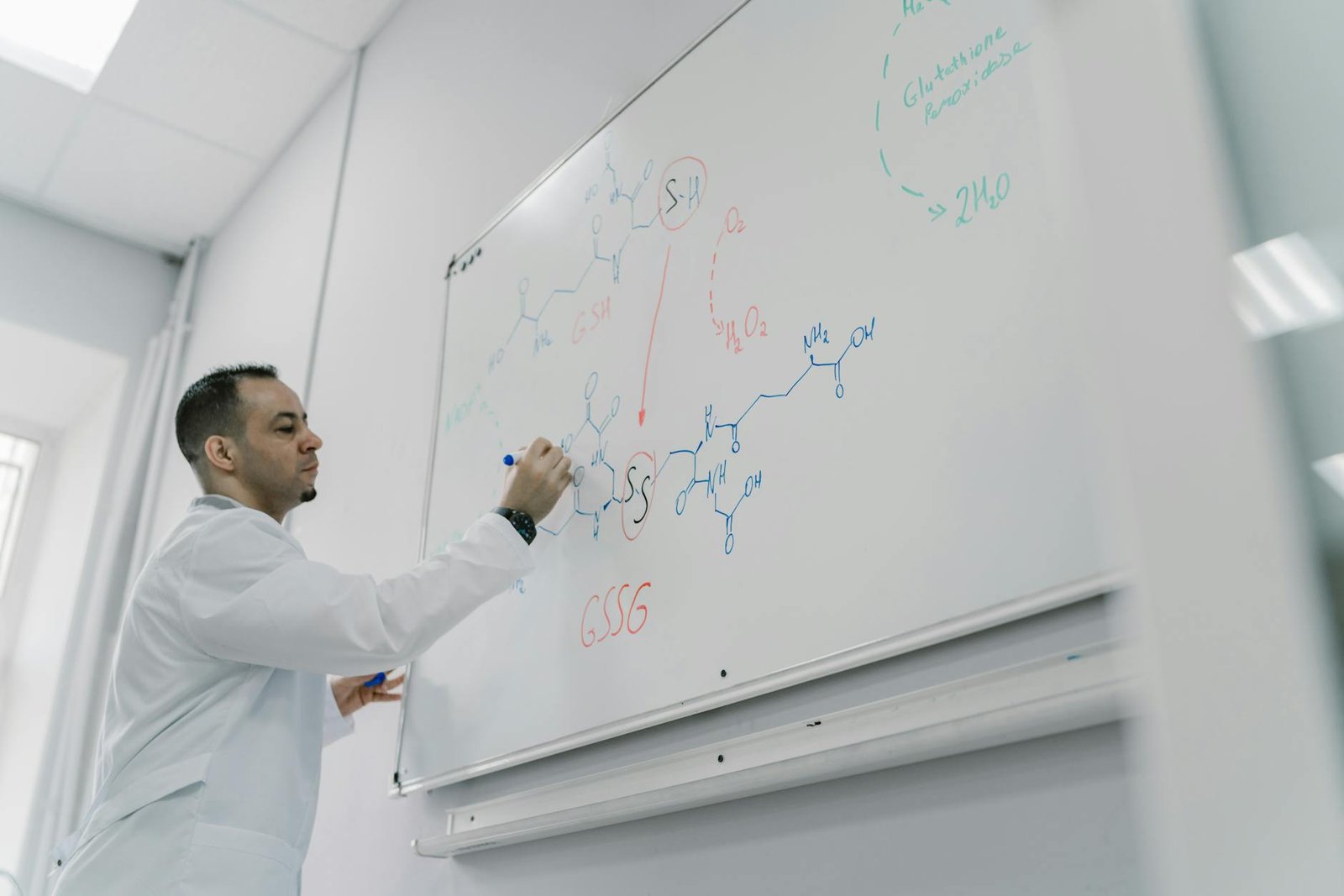
Chemistry becomes easier when students understand the relationship between observations, particles and chemical equations. A personal tutor can first check which ideas the student already understands, then build new topics from those foundations. For example, a learner who struggles with balancing equations may need to revisit atoms, molecules and conservation of mass before attempting harder reactions. A useful lesson includes an explanation, a worked example, a question completed independently and feedback on the student’s method. Families should choose a tutor who encourages questions rather than simply asking the student to memorise definitions. Students also need time to practise between lessons, especially for calculations and equation writing.
Chemistry support for Classes 9 and 10

At secondary level, learners commonly meet atoms and molecules, chemical reactions, acids and bases, metals and non-metals, and introductory carbon chemistry. The exact chapter sequence depends on the board and current syllabus. A tutor can use simple diagrams and everyday examples to connect classroom ideas to the student’s experience. In equation-based topics, the student should learn to identify reactants and products, write correct symbols and balance atoms on both sides. In descriptive answers, clarity and accurate scientific vocabulary matter. Instead of giving the same worksheet repeatedly, the teacher should identify whether errors come from unfamiliar terminology, weak concepts or insufficient practice. Regular short revision sessions help keep earlier topics fresh.
Chemistry for Classes 11 and 12

Senior-secondary chemistry often requires different strategies for physical, organic and inorganic topics. Physical chemistry includes numerical work and reasoning about quantities, units and relationships. Organic chemistry benefits from understanding structures, functional groups and the logic behind reaction changes rather than memorising disconnected transformations. In inorganic chemistry, periodic trends, bonding and careful comparison of properties help students organise large amounts of information. A good tutor should check the learner’s syllabus before choosing examples or practice papers. Students can maintain a notebook of common errors, useful reactions and questions they could not initially solve. Where entrance-exam preparation is also relevant, the tutor should help balance school requirements with the applicable examination syllabus.
Building confidence with chemical equations

Many students lose marks because they try to memorise complete equations without understanding what each symbol means. Begin by identifying the substances involved, then write formulas correctly and count the atoms on each side. Balancing should change coefficients, not the subscripts inside a chemical formula. Students can check each element systematically and then explain what the final equation represents. When state symbols or reaction conditions are part of the syllabus, practise adding them accurately. Teachers should also explain the difference between a word equation and a symbolic equation. Short mixed-topic exercises are useful after the basics become comfortable, because they require students to choose the correct method rather than repeat the last example they saw.
Preparing for school and board examinations

Effective exam preparation begins with the latest syllabus and the student’s school assessment schedule. List strong and weak chapters, then prioritise topics that need conceptual repair before moving to timed practice. For numerical questions, students should show the formula, substitute values with units and check whether the result is reasonable. For theory questions, concise explanations, labelled diagrams and correct terminology can improve clarity. After a practice paper, review every incorrect answer and distinguish between a knowledge gap and a careless mistake. Avoid promises of guaranteed marks: outcomes depend on the student’s starting point, consistent practice and other factors. Families following CBSE can consult CBSE Academic and NCERT for current official resources.
How to choose the right chemistry tutor

Ask whether the tutor has experience with the student’s current class, school board and chemistry topics. During an introductory lesson, observe whether the student feels comfortable asking questions and whether the tutor explains why an answer is correct. Clarify lesson frequency, homework expectations, fees, travel or online arrangements, and how progress will be shared. A suitable teacher should be able to diagnose a misunderstanding and adapt their explanation. For students preparing for higher-level examinations, ask how school coursework and additional practice will be balanced. If the student prefers online lessons, confirm that equations, structures and diagrams can be written and shared clearly. Compare teaching suitability and communication rather than relying on promotional claims alone.
A weekly chemistry study routine

At the beginning of each week, review the school’s upcoming chapters and the mistakes made in recent work. Reserve one part of tuition for explaining difficult ideas and another for questions the student completes without hints. Rotate short recall tasks from older chapters so that earlier concepts are not forgotten. Students can maintain a list of unfamiliar terms, formulas, equations and reaction patterns to revisit. Near an examination, timed questions and feedback on answer presentation may become more useful. A realistic routine should leave room for school homework, other subjects and rest. Parents can support a quiet study environment and ask what the student can now explain independently, rather than focusing only on the number of pages completed.
Common questions about chemistry home tuition

Can tuition help with both theory and numericals? Yes, a suitable tutor can plan lessons around conceptual explanations, written answers and calculations according to the learner’s needs. Is online chemistry tuition useful? It can be, provided the tutor can clearly share equations and diagrams and the student has a reliable way to submit written work. How quickly should results improve? There is no universal timetable; monitor understanding and independent problem solving over several weeks. What details should parents share? Mention the student’s class, board, current topics, main difficulties, location and preferred timing. For related information, see our chemistry home tuition guide and contact page.
Understanding atoms, elements and compounds
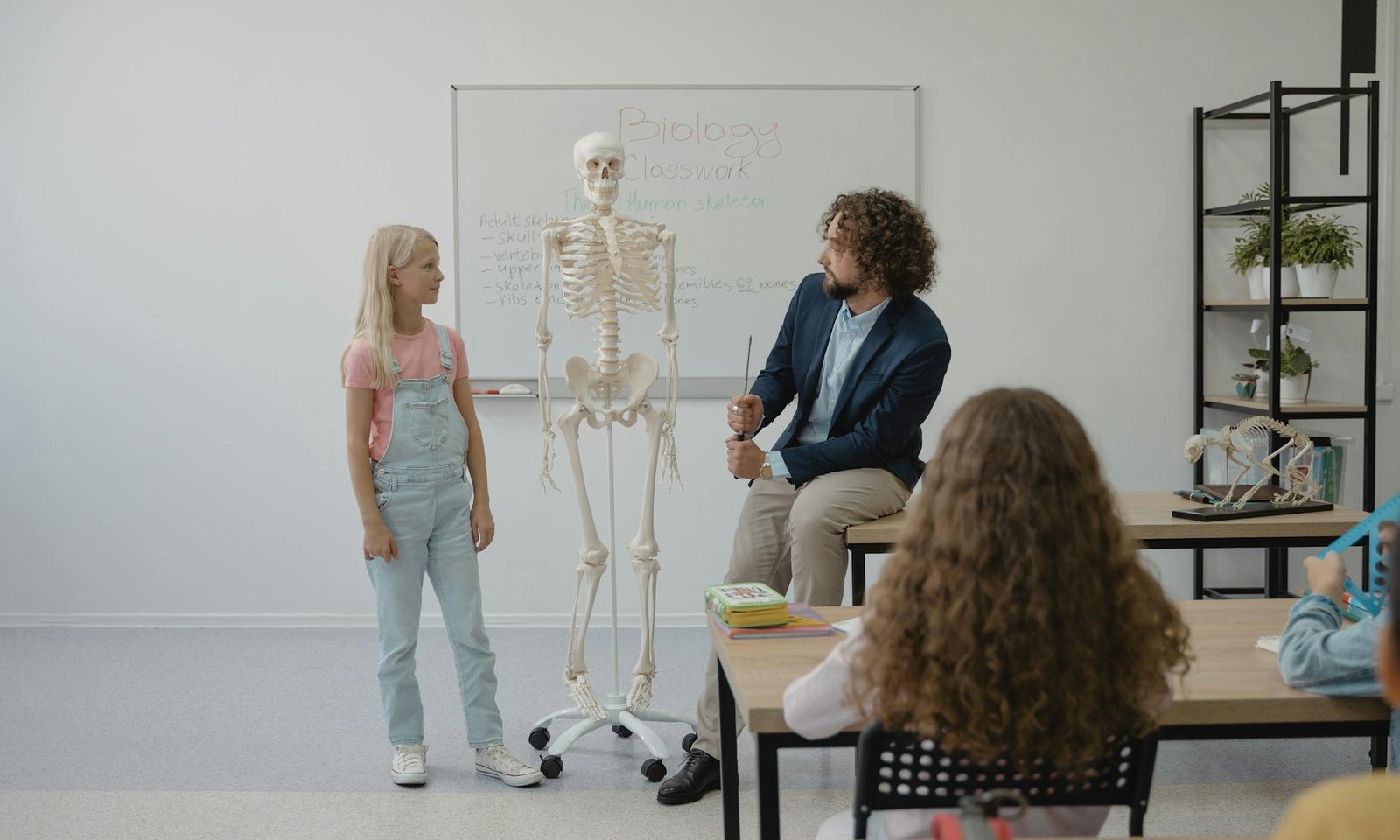
Students often confuse an atom with a molecule or an element with a compound. A tutor can use particle diagrams to show that an element contains one type of atom, while a compound contains different elements chemically combined in a fixed proportion. Mixtures differ because their components are not necessarily chemically bonded and may be separated using physical methods. Students should practise classifying everyday examples and explaining the reasoning behind each answer. This matters later when learning about formulas, equations and reactions. The tutor can ask the learner to draw simple representations, compare their diagrams and correct misunderstandings. Where a textbook definition seems abstract, an example can help, but the example must not replace the scientific explanation. A short quiz a few days later can check whether the idea has been retained rather than temporarily memorised.
Chemical bonding and periodic trends

Chemical bonding becomes more understandable when students first review electron arrangement, valence electrons and the difference between metals and non-metals. Depending on the class syllabus, the tutor can compare ionic and covalent bonding using appropriate diagrams, then discuss how bonding influences familiar properties. The periodic table can be taught as an organised pattern rather than a collection of facts. Learners should practise identifying groups and periods, predicting simple trends and explaining their answers. When an answer is wrong, the teacher can ask whether the problem is with electronic configuration, terminology or interpreting the question. Senior students may need more detailed treatment of structure, polarity and molecular shape. The depth of explanation should match the current curriculum, avoiding unnecessary advanced material that distracts from foundational learning.
Acids, bases, salts and everyday applications

The topics of acids and bases offer opportunities to connect chemistry with familiar experiences, but practical examples should be scientifically accurate. Students can learn the role of indicators, pH and neutralisation, then relate these ideas to the reactions specified in their textbook. A tutor can use charts, labelled diagrams and safe classroom demonstrations to explain the difference between observations and conclusions. The student should practise writing relevant chemical equations and interpreting simple experimental descriptions. Some learners remember that an indicator changes colour but cannot explain what the change signifies; a good lesson checks both. For examination answers, students should distinguish between definitions, properties, uses and reaction examples. Practical work involving chemicals belongs in an appropriately supervised school laboratory; students should not attempt unfamiliar chemical experiments at home.
Mole concept and chemistry calculations

The mole concept can be difficult because students must move between particles, mass, molar mass and amount of substance. A step-by-step method starts by identifying the quantity provided, writing the appropriate relationship and checking the units. Instead of memorising a single worked solution, students should practise problems that begin with different known quantities. A tutor can ask the learner to estimate whether the result is plausible before using a calculator. Unit conversion errors, incorrect formulas and skipped steps are common sources of confusion. After mastering straightforward questions, students can attempt mixed problems that require choosing the method independently. For higher classes, the same disciplined approach supports stoichiometry and concentration calculations where these are included in the syllabus. Clear written working makes it easier for teachers to diagnose the exact step that needs correction.
Organic chemistry structures and reaction patterns

Organic chemistry is easier to navigate when students recognise functional groups, naming patterns and how molecular structure affects reactions. A tutor can begin with clear drawings and a few representative examples before introducing more complex transformations. Students should practise converting between names and structures and explaining what changes during a reaction. Mechanisms, where required by the syllabus, should be approached through the movement of electrons and the conditions of the reaction rather than memorising disconnected arrows. Reaction summaries can help revision, but they should be built after conceptual understanding. Encourage the learner to compare similar-looking reactions and identify the conditions that lead to different outcomes. Reviewing common mistakes in structural formulas, bond counts and reagent selection can prevent repeated errors. The level of detail should suit the student’s class and examination goals.
Physical chemistry versus inorganic chemistry

Students sometimes describe chemistry as one subject but find that different branches require different study habits. Physical chemistry often combines conceptual understanding with calculations, graphs and careful unit handling. Inorganic chemistry may require organising trends, properties, reactions and exceptions into connected patterns. Organic chemistry, meanwhile, frequently relies on structures and transformations. A tutor should diagnose which type of work causes difficulty before choosing practice materials. For physical chemistry, asking the student to explain each calculation step is often more useful than assigning many similar numerical questions. For inorganic topics, comparative tables and concept maps can show relationships between facts. Revision should alternate between explanation and retrieval practice so the learner does not depend on looking at notes. When students know why a method works, they are better prepared to answer unfamiliar questions.
CBSE, ICSE and other board requirements

Before planning lessons, confirm the student’s board, class and current school syllabus. Boards may differ in chapter sequence, practical expectations, assessment patterns and the way questions are presented. A tutor should use the correct textbook and official curriculum rather than assume one set of notes fits every learner. CBSE students can check CBSE Academic for curriculum information and NCERT for learning resources. For CISCE students, families can consult the CISCE website for board information. The tutor should also review the student’s school worksheets and recent assessments, since these reveal the teacher’s expectations and immediate learning needs. A good plan combines conceptual explanations, written practice and periodic revision without claiming to guarantee any examination result.
Chemistry tutoring for competitive examination preparation

Students preparing for an entrance examination may need a different mix of conceptual depth, speed and question practice from students focused only on school tests. The tutor should first confirm which examination is relevant and use its current official syllabus. For medical entrance preparation, the official NEET website is a useful starting point for notices and examination information. For engineering entrance preparation, consult the official JEE Main website. Neither examination requires students to abandon basic chemistry concepts: accurate understanding supports faster and more reliable problem solving. Timed practice can be introduced after the student can solve representative questions carefully. Review not only wrong answers but also lucky guesses, skipped questions and inefficient methods. Families should avoid unrealistic guarantees and discuss how preparation fits around school obligations and rest.
Online chemistry tuition and digital learning tools

Online lessons can work well when the teacher can demonstrate equations, structures and numerical solutions clearly. A digital writing tablet, shared whiteboard or camera aimed at written work can make explanations easier to follow. The student also needs a way to show their own solutions, because watching a teacher solve a problem is not the same as practising independently. A tutor can use short screen-shared diagrams and carefully chosen practice questions, then ask the learner to explain the method. Families should test the internet connection, audio and lesson setup before committing to a regular schedule. Online learning may offer flexible access to specialist tutors, but it also requires attention to distractions and screen fatigue. Students who need more direct supervision may prefer in-person lessons, depending on their circumstances.
What parents should ask before a chemistry demo

A useful introductory conversation begins with the student’s class, board, recent chemistry topics and areas of difficulty. Ask the tutor how they would approach a specific weak chapter, how much independent practice they expect and how they would report progress. A brief diagnostic exercise can show whether the learner struggles with definitions, mathematical steps or applying concepts to unfamiliar questions. Discuss how homework will be checked and whether lessons will include periodic review of older chapters. Parents should also confirm the proposed schedule, lesson duration, fees, rescheduling arrangements and online or in-person format. Observe whether the student feels comfortable admitting confusion and asking questions. The right tutor is not simply someone who knows chemistry; it is someone who can explain it at the learner’s level and adjust when an approach is not working.
Panchkula, Chandigarh, Mohali and nearby tutoring enquiries

Families seeking chemistry support in Panchkula, Chandigarh, Mohali, Zirakpur or nearby areas should mention their precise locality when enquiring. Tutor availability, travel arrangements and lesson times can differ by location and should be confirmed directly. Parents can also read the site’s home tuition in Panchkula guide for general selection advice. When contacting a tuition service, share the student’s class, board, chemistry chapters needing support, preferred schedule and whether online tuition is acceptable. This helps the team discuss a suitable option without promising that a particular tutor is available. It is sensible to compare teaching methods, communication and scheduling alongside price. A successful arrangement should allow regular practice, clear feedback and enough time for the learner’s other school subjects.
Measuring improvement without unrealistic promises

A strong chemistry tutoring plan tracks specific skills rather than relying on general statements such as the student is improving. In the first lesson, the tutor can record which formulas, equations and concepts the student can explain independently. After several weeks, compare new work with similar starting questions. Look for fewer repeated mistakes, clearer reasoning, more accurate calculations and growing confidence when tackling unfamiliar questions. The learner should be able to explain why a reaction occurs or how a calculation was set up, not only reproduce an answer. If progress stalls, the tutor can revisit prerequisite concepts, reduce the number of topics covered in a lesson or change the practice method. Parents should ask for constructive feedback and achievable next steps. Examination results matter, but lasting understanding and independent study habits are valuable outcomes too.
Book a chemistry tutor: next steps

Ready to discuss chemistry tuition for your child? Start with a clear description of the student’s class, board, location and learning goals. Mention whether the priority is basic concepts, balancing equations, physical chemistry numericals, organic chemistry or examination revision. The team can then discuss possible teaching arrangements and what to confirm before a lesson. Ask about tutor suitability, availability, fees and whether a demo or introductory discussion is possible; do not assume any particular arrangement is guaranteed. You can also explore our chemistry home tuition page and maths home tutor guide if your child needs support in more than one subject. The aim is to find teaching that builds confidence, accuracy and independent problem solving.
BEST HOME TUITION
Looking for a Home Tutor?
Tell us the student’s class, subject, board and location. Call or WhatsApp to enquire.
Mobile: +91 8872339669
Tutor availability and fees are confirmed during enquiry.

5 Responses
[…] before booking: Explore our Maths tutor and Chemistry tutor pages when planning subject-specific […]
[…] because school teaching and competitive examinations can require different practice. Our chemistry tutor guide provides more subject-specific questions. No teacher can responsibly promise a particular mark or […]
[…] textbook. Regular revision and review of common mistakes can make learning more effective. Our chemistry tutor guide has more subject-specific considerations. Specialist availability should be […]
[…] may help identify patterns in numerical work and chemical equations. Parents can explore our chemistry home tutor guide when comparing subject support. Specialist availability should be confirmed before scheduling […]
[…] and current syllabus. Practice questions should progress from basic to unfamiliar examples. Our chemistry home tutor guide offers further subject-specific considerations. Parents can help by encouraging regular short […]