Best Home Tutor in Panchkula | Parent Comparison Guide

Best home tutor in Panchkula: This parent’s guide explains how to compare one-to-one teachers, check subject expertise, discuss fees and plan useful lessons for Classes 1–12. Best Home Tuition accepts enquiries from Panchkula neighbourhoods, subject to tutor availability and travel feasibility.
Use the checklist below to choose a suitable teacher based on the learner’s class, board, subjects and actual academic needs—not marketing claims. Parents can enquire by phone or WhatsApp after reading.
Quick answer: To find the best home tutor in Panchkula for your child, first shortlist teachers with experience in the exact class, subject and school board. Confirm travel to your sector, ask how the tutor will assess weak topics, and agree on lesson frequency, fees and a four-week review. There is no single tutor who is automatically best for every learner; suitability and availability matter more than advertising claims.
How to choose the best home tutor in Panchkula
Choosing a home tutor in Panchkula begins with understanding the student rather than comparing slogans. Parents can note the child’s class, school board, current subjects, recent exam experience and specific topics causing difficulty. One learner may need patient daily Mathematics practice; another may need targeted Class 12 Chemistry support. These are different teaching needs. A useful first enquiry should also mention the sector, days available and a practical time after school.
The closest tutor is not always the best fit. Ask how a teacher would assess learning gaps, adapt the pace and check that the child can solve unfamiliar questions independently. Compare subject experience, punctuality, communication and the learner’s comfort. Best Home Tuition can discuss suitable options subject to current availability. An appropriate arrangement should build knowledge and confidence, not promise guaranteed marks.
Finding a tutor for your Panchkula sector

Panchkula families may search from central sectors, Sector 20, MDC, Amravati or nearby residential areas. A sector name matters because travel time influences whether a tutor can arrive reliably for regular classes. A strong teacher who must rush between distant homes might not be practical for an early-evening slot. Give the general neighbourhood and approximate time range at first; complete residential details can be shared privately after discussing a suitable option.
Parents near Mansa Devi Complex can consult our MDC home tuition information. Those needing a wider overview can read home tuition in Panchkula. These links offer local planning context, not a guarantee that a tutor is available for every street, class or subject. Confirm the actual route, timing and fees directly.
Class 1 to 5: reading, writing and number skills

Early classes need clear teaching and confidence more than large amounts of homework. A primary tutor can help a child read a short passage, answer simple questions, practise handwriting and understand basic arithmetic with everyday examples. Short activities may work better than a long lecture. If the learner finds subtraction difficult, start with number sense and place value before moving to complicated exercises. The teacher should use the actual school books and current classroom lessons.
Ask the child to explain a story in their own words or solve one new problem without help. Those are useful signals of understanding. Parents can request a weekly note about one skill that improved and another that needs practice. Lessons should fit with sleep, outdoor play and family time. A patient tutor helps the learner see errors as part of learning rather than a reason to feel embarrassed.
Class 6 to 8: close foundational gaps

Middle-school learners encounter algebra, ratios, abstract Science ideas and longer written answers. Difficulty with an equation may come from weak fractions or negative numbers rather than the new chapter itself. Similarly, a student may understand a Science concept verbally but struggle to explain it clearly on paper. A skilled tutor looks for the underlying issue, checks earlier understanding and then designs practice to address that exact gap.
One practical lesson sequence is review, short explanation, guided example, independent question and feedback. Encourage the student to keep a doubt notebook and revisit ideas that were previously confusing. Parents should ask whether the learner can explain the method, not simply show a completed workbook. This approach prepares children for the faster academic pace of Classes 9 and 10 without creating unnecessary pressure.
Class 9 and 10 Mathematics: structured practice

Mathematics tuition for Classes 9 and 10 should emphasise reasoning and written steps. Topics can include algebra, geometry, trigonometry and statistics according to the learner’s syllabus. A teacher should review a recent school test to identify whether the main difficulty involves concepts, sign errors, slow calculations or interpreting word problems. Practice can then target these specific mistakes rather than repeat an entire textbook chapter without purpose.
A weekly error notebook is useful: the student copies the problem, marks the incorrect step and records the correct reasoning. Later, the tutor can give a fresh question using the same skill to test independent understanding. Ask how school homework and tuition worksheets will be balanced. A realistic plan should leave time for revision and rest, not require a child to spend every evening doing extra sums.
Class 9 and 10 Science: concepts before memorisation
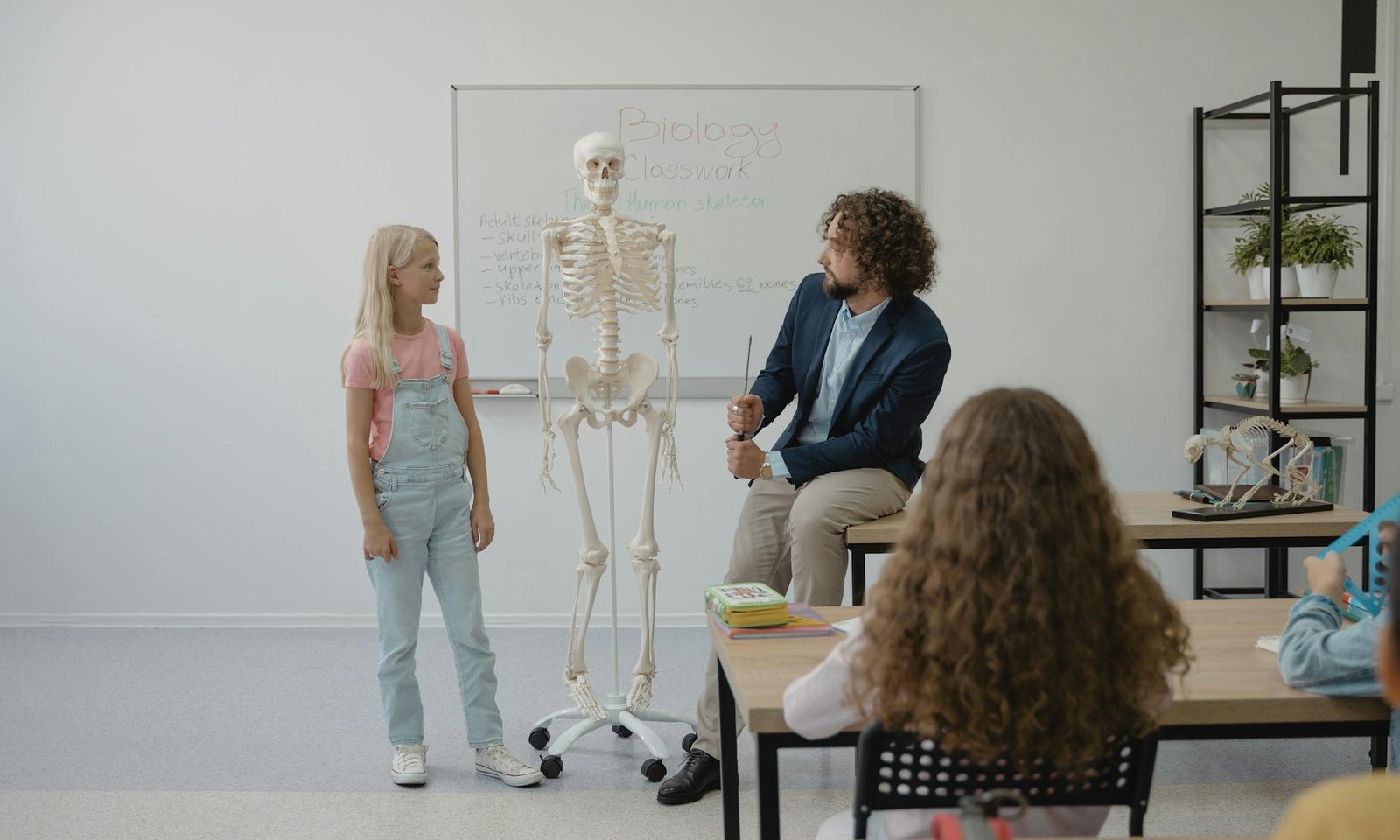
Science support should reflect the mix of Physics, Chemistry and Biology in the student’s course. Numerical questions demand careful interpretation and units, while Biology may involve diagrams and written descriptions of processes. Chemistry requires understanding of substances, reactions and symbols. A tutor can use everyday examples or simple visual explanations, but should not replace the current prescribed textbook with unrelated material.
Parents can ask the tutor to analyse three kinds of mistakes: misunderstanding the concept, knowing the idea but writing an incomplete answer, or losing marks through careless calculations. These call for different teaching approaches. For CBSE students, check the official CBSE Academic website and school instructions. Responsible preparation includes independent practice and regular review rather than promises of a specific board result.
Class 11 and 12 PCM and PCB subject specialists

Older students often need deeper subject knowledge and more focused teaching. Physics can require conceptual reasoning and numerical problem solving; Chemistry combines principles with calculations and chemical language; Mathematics may demand multiple-step proofs; Biology requires careful interpretation and diagrams. Tell the tuition coordinator which subject is required, the education board, and whether the issue is a current chapter or a missing foundation from earlier classes.
One teacher is not automatically the best person for every senior-secondary subject. Ask about relevant experience with the exact course and how revision is planned. If the student is preparing for NEET or JEE, enquire about specialist exam preparation separately from general school tuition. These goals can overlap but may need different material and schedules. A balanced plan should still preserve independent study time.
Commerce tutors for Accounts, Economics and Business Studies

Commerce students benefit when lessons teach why a method works, not just what answer to write. In Accountancy, accurate journal entries and ledgers support later financial statements. Economics often involves diagrams, definitions and interpretations, while Business Studies rewards structured reasoning and relevant examples. A tutor should use the student’s current textbook and understand the examination format used by their school.
Ask whether the proposed tutor regularly teaches the required Class 11 or 12 subject. A learner who struggles with accounting entries may need foundational exercises before attempting a full problem set. Request sample explanations and short progress checks. Families can read our Accounts tuition guide for practical questions to discuss when enquiring.
English, Social Science and language learning

An English tutor can help with reading comprehension, grammar, vocabulary, paragraph planning and speaking confidence. A useful exercise may ask the child to identify the main idea of a passage and then support an answer with evidence. Social Science teaching can connect events through timelines, maps and cause-and-effect explanations rather than asking students to memorise long responses without understanding.
Parents requesting Hindi, Punjabi or another language should specify the class, board and current level. The teacher can then plan activities around actual school requirements. Look for constructive corrections and opportunities to write or speak independently. More writing is not automatically better if the feedback is vague. Small focused exercises can be more valuable than pages copied from a guidebook.
CBSE, ICSE and other school board requirements

Before hiring, make sure the tutor understands the relevant school board and classroom expectations. CBSE, ICSE, IB and Cambridge curricula can differ in topics, terminology, depth and assessment style. The family’s first conversation should identify the board, grade and prescribed books. Ask the tutor what resources they would use and whether they have handled similar courses. Avoid assuming a general guidebook will match every school’s syllabus.
For relevant CBSE courses, families can consult CBSE Academic and NCERT. For other boards, the school and official board materials are the safest references. Good tutoring adapts explanations and practice to those requirements while respecting each learner’s starting point. Avoid relying on outdated social-media examination tips.
Checking qualifications and teaching style

A tutor’s degree or experience can support a decision, but parents should also ask how the teacher handles a child who repeatedly makes the same mistake. For example, would the teacher revisit a prerequisite skill, provide a visual explanation or simply repeat the textbook? A practical demonstration with one real school question can show more than a long promotional claim about results.
Consider asking about subject experience, references where available, lesson planning and how parents receive progress feedback. The teacher should be able to explain how independent understanding will be checked. Notice whether the learner feels comfortable asking questions. A tutor who communicates respectfully and adapts the pace can be more suitable than someone who moves quickly but leaves the child confused.
How to use a tutor demonstration wisely

If a demonstration class is offered, prepare one topic the learner finds difficult and a recent textbook exercise. Observe whether the tutor assesses prior knowledge, explains the idea in simple words, handles a wrong answer calmly and gives a fresh problem for the student to attempt. After the session, ask the learner to describe what became clearer. This makes the comparison more meaningful than choosing solely by personality or price.
Ask directly whether an introductory lesson is currently available and what charges or conditions apply. Clarify the duration, any charges and how an ongoing schedule would work. A single demonstration cannot prove long-term results, but it can reveal teaching clarity and the learner’s comfort. Ask for a short plan covering the next few lessons rather than a guaranteed promise about marks.
Fees, travel and weekly lesson schedules

The cost of one-to-one tuition can vary with grade, subject difficulty, tutor experience, travel distance, lesson length and weekly frequency. Before confirming a teacher, ask what the quoted amount includes. Clarify payment timing, whether several subjects are covered, and what happens if a class is missed or rescheduled. Keep the agreed details in writing so the household and teacher share the same expectations.
Families in Panchkula should also account for the teacher’s route between appointments. A schedule that works on paper may be unreliable if the teacher must cross a busy part of the Tricity at school dispersal time. Choose a realistic slot and preserve time for meals, relaxation and independent homework. More tuition hours are not a substitute for a teaching method that fits the student.
Keeping the child safe and comfortable

Home tuition is most effective in a calm and respectful setting. Parents should agree where lessons will take place, who will be present or nearby and how the tutor will communicate about homework and progress. Where practical, ask for qualifications and references before beginning. Young learners should know that they can raise a concern with a trusted adult and should never be made to feel ashamed for asking questions.
Male or female tutor preferences can be shared during the enquiry, but the decision should also consider subject knowledge, availability and the child’s comfort. Establish clear boundaries around punctuality, conduct and household access. If anything about the arrangement feels unsuitable, discuss it promptly. Good academic support must also respect the student’s wellbeing and personal safety.
Home tuition versus individual online lessons
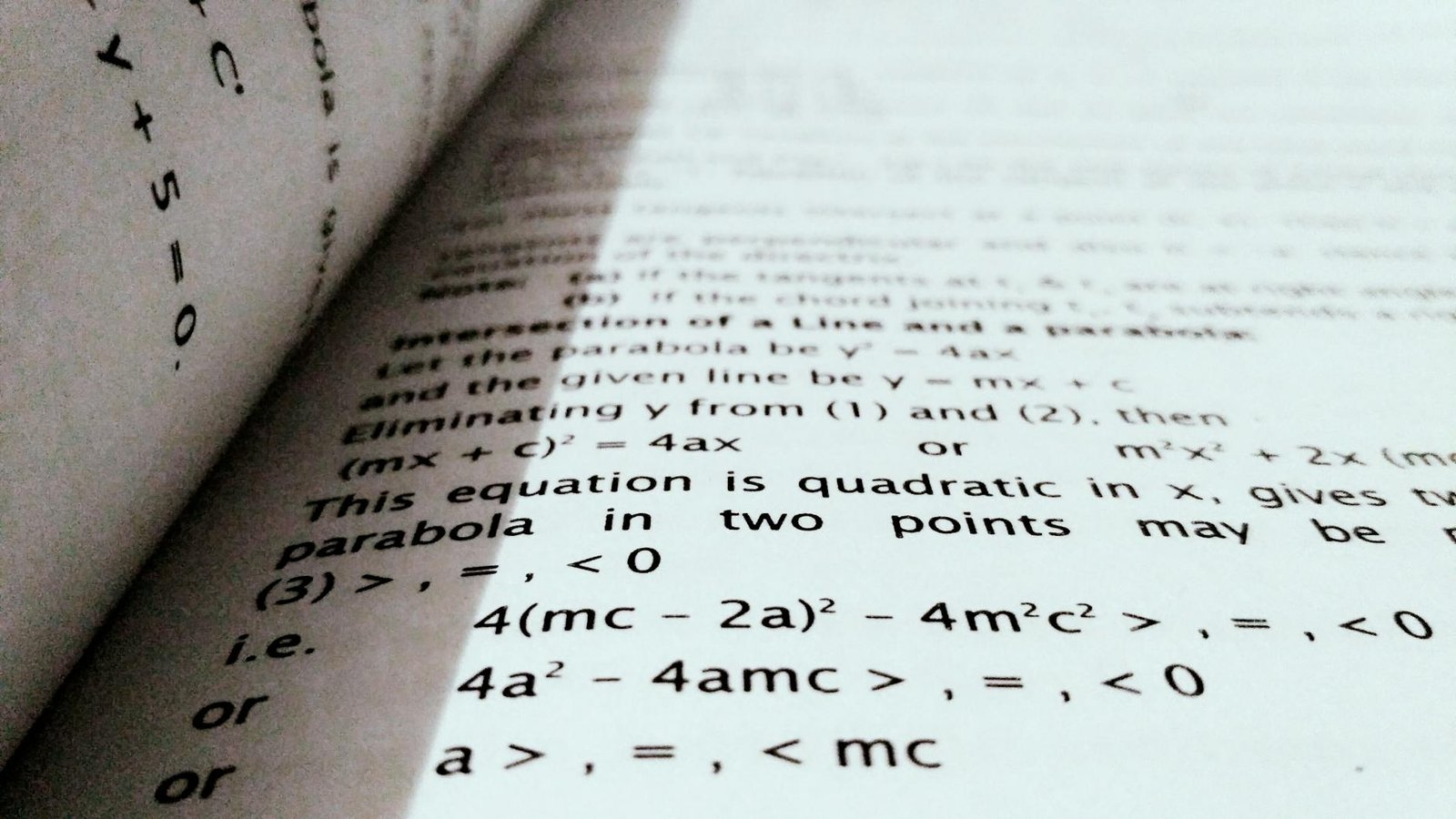
In-person teaching can be useful when the child benefits from paper-based work, direct demonstrations and a familiar study environment. Individual online tuition may help when a specialist cannot travel to the family’s locality or a different schedule is needed. Both formats require careful lesson planning, meaningful questions and practice that the student completes independently.
For online classes, check sound quality, stable internet and how mathematical working or Science diagrams will be shared. Younger children may need an adult nearby. An introductory online lesson can show whether the student can follow explanations comfortably. Compare the formats based on the learner’s age, subject and attention span rather than assuming one is always superior. Our online tutor guide has more practical questions.
A practical four-week learning improvement plan

In the first week, the tutor should examine school notebooks and a recent test, then identify two or three achievable goals. For example, the student might work on fractions, clearer English paragraphs or correctly setting up Physics numericals. The teacher should record a small sample of independent work. In week two, practise the specific skills that caused mistakes while continuing necessary school topics.
In week three, revisit earlier ideas using new questions. The fourth week is a chance to compare the student’s independent answers with work of similar difficulty from the start. Parents can ask which mistakes have decreased, what the child can now explain without hints and whether the teaching method needs adjustment. Progress may first appear in confidence and study habits before marks change. There is no reliable guarantee of results.
Frequently asked questions for Panchkula parents

Which classes can I enquire about? Families can ask about Classes 1–12 and relevant subjects, subject to tutor availability. Can I request a male or female teacher? Yes, share your preference alongside the class and subject. Can I find a Class 12 Physics tutor? Ask about a specialist with suitable syllabus experience. What is needed for a tutor search? Class, board, subject, locality and preferred days are a good starting point.
Is there a demo class? Ask what the introductory session includes, whether it is charged and who will teach regular lessons before confirming. Are MDC and Amravati covered? Enquiries are welcome from both areas, but an individual teacher’s availability and travel must be confirmed. Parents can read our Amravati tuition guide for more locality-specific questions. How are fees decided? Discuss subject, class, number of weekly lessons, lesson length and travel together; obtain the actual quotation rather than assuming one citywide price. Will exam marks be guaranteed? No; agree on diagnostic practice, periodic tests and transparent progress notes rather than guaranteed marks. Where can I check CBSE curriculum details? Check the official CBSE Academic website and current school instructions.
How do I compare a best home tutor in Panchkula with a group tuition centre? Ask whether your child needs individual doubt-solving, a quiet one-to-one pace or peer learning. Compare how much independent practice and timely feedback the learner actually receives, not only the number of weekly classes. Can I choose online tuition instead? Yes; discuss whether the child can learn effectively through a live online lesson and visit our online home tutor guide. What is the first step to request a teacher? Share class, board, subject, Panchkula sector and suitable days, then ask for a relevant teacher profile and confirmed fee terms.
Enquire with Best Home Tuition in Panchkula

To ask about a suitable home tutor in Panchkula, send the student’s class, board, exact subjects, approximate neighbourhood and preferred days or lesson time. Explain one or two learning concerns, such as difficulty with algebra, Biology diagrams or writing longer answers. If you require a male or female tutor or need specialist senior-secondary experience, mention that preference early so possible options can be reviewed.
Best Home Tuition can discuss current options and fees, subject to actual availability. You can also review our personalised Panchkula tutor guide. Confirm any demo conditions, regular lesson arrangements and payment terms directly. The aim is to choose a teacher who supports the child’s independence, not simply to add more homework hours.
BEST HOME TUITION – PANCHKULA
Tell us your child’s class, subject, board, sector and preferred timing.
Call Best Home Tuition WhatsApp Tutor Enquiry
Availability, fees and demo conditions must be confirmed directly.

2 Responses
[…] grade, board, main subject, difficult topic, general locality and preferred timing. See the Panchkula tutor-selection checklist for related guidance. A tutor can support learning, but no percentage, rank or immediately […]
[…] service overview, see home tuition in Panchkula; for a step-by-step hiring process, consult the Panchkula tutor comparison guide. Students following CBSE can also check relevant CBSE Academic resources alongside their […]