Home Tuition in Panchkula

On this page: Introduction · Why choose home tuition · Subjects · Classes · Boards · Tutor selection · Benefits · FAQs · Weekly plan
Introduction

Every parent wants the best education for their child, but every child learns differently. In Panchkula, many students need individual attention that is difficult to receive in a crowded classroom. Home tuition provides personalised learning, flexible schedules, regular feedback, and stronger conceptual understanding. Whether a student needs help with Mathematics, Science, English, Commerce, Languages or competitive exams, one-to-one guidance can improve confidence as well as academic performance.
Why Choose Home Tuition

Home tuition can give a learner time to ask questions and revisit topics that remain unclear after school. A tutor can adjust the pace, combine explanation with independent practice and discuss progress with parents. Flexible timing may help families coordinate school, homework and other activities, subject to tutor availability.
Subjects Covered

Students may seek help in mathematics, science, English, Hindi, social science, computer science and commerce subjects such as accountancy, economics and business studies. Subject availability depends on the individual tutor, so families should confirm relevant qualifications and experience before scheduling lessons.
Classes Covered

Learning needs change from early reading and numeracy to middle-school foundations and the subject-specific demands of Classes 9–12. Some learners also need specialist support for entrance examinations or language tests. Families should confirm that a prospective tutor has experience with the student’s exact class, syllabus and assessment goals.
Boards
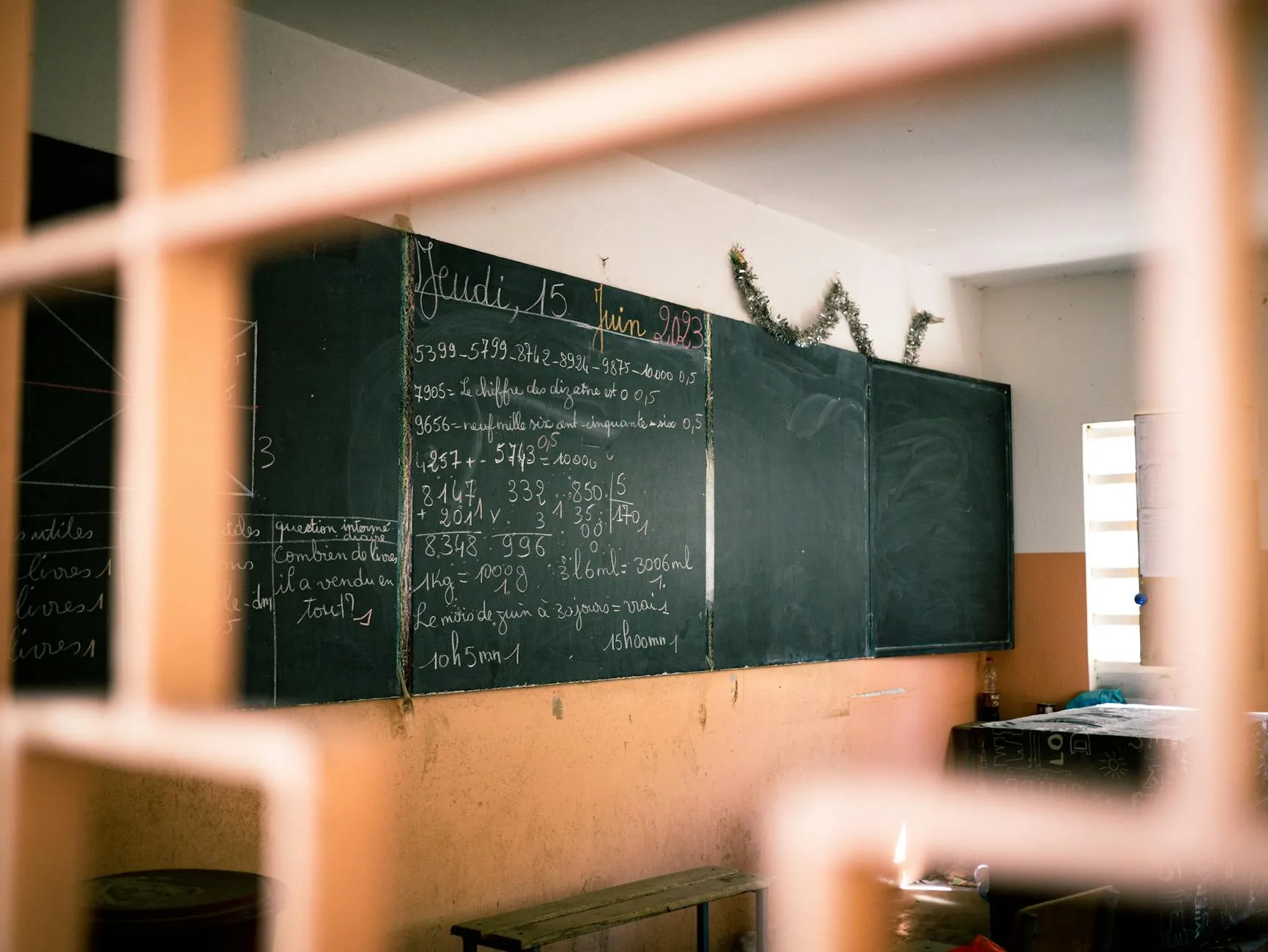
Different school boards can require different textbooks, assessments and answer formats. Before starting tuition, share the student’s board, current syllabus and school materials. For CBSE, families can consult official CBSE Academic and NCERT resources. Tutors for ICSE, Cambridge, IB or state curricula should be familiar with the specific course rather than relying on a generic lesson plan.
How to Choose a Tutor

Ask how a tutor assesses the learner’s starting level, explains difficult concepts and checks independent work. Discuss relevant teaching experience, lesson timings, fees and communication with parents. Where appropriate, request references and verify credentials directly. An introductory lesson can help assess teaching style, but no tutor should promise a guaranteed examination result.
Benefits

A well-structured lesson can strengthen conceptual understanding, provide practice with feedback and help students develop a reliable revision routine. Progress may include clearer explanations, fewer repeated mistakes and greater independence. Outcomes vary by learner and depend on consistent practice, attendance and the suitability of the teaching approach.
FAQs

Parents often ask about fees, introductory lessons, online tuition, teacher preferences, scheduling and subject coverage. These arrangements depend on current tutor availability. Share the learner’s class, board, subjects and Panchkula locality when enquiring, and confirm the agreed schedule and payment terms before starting.
Conclusion
The most useful tuition arrangement starts with clear learning goals, realistic expectations and regular feedback. Parents should choose a tutor whose subject knowledge and teaching style suit the learner, then review progress over time. The aim is stronger understanding and growing independence, not simply more hours of homework.
How to choose a home tutor in Panchkula

Begin with the student’s class, board, subjects and specific learning difficulties. Ask a prospective tutor how they will assess the student’s current understanding and how they would explain a topic that has already been taught at school but remains confusing. A useful first lesson might include a short diagnostic exercise, a discussion of homework habits and a simple plan for the next two weeks. Check whether the tutor can explain ideas in language the student understands, encourage questions and provide feedback without making unrealistic promises about marks.
Families should clarify lesson frequency, duration, travel arrangements, fees, cancellation policies and how progress will be reported. For younger children, a patient teaching style and communication with parents are especially important. For Classes 9–12, familiarity with the student’s current syllabus and examination pattern becomes more important. If the student follows CBSE, compare lessons with the latest resources on the CBSE Academic website and textbooks available from NCERT. For ICSE or another board, confirm the correct curriculum rather than assuming the same chapter order applies.
When enquiring about tuition, share your locality in Panchkula, preferred timings and whether you want face-to-face or online lessons. Availability may differ by location and subject. Families can review the Panchkula tuition guide or use the contact page to ask about current options. A suitable tutor should help the learner become more independent over time, not dependent on help for every question.
A practical weekly study plan for home tuition

A weekly plan should be based on the student’s actual school timetable rather than a fixed formula for every learner. At the beginning of the week, review assignments, upcoming tests and concepts that caused difficulty in the previous lessons. Reserve time for explaining one or two weak topics, then allow the student to practise without hints. Ask the learner to describe how they reached an answer; this can reveal misunderstandings that are not obvious from a correct final result.
For mathematics, include a few questions that revisit earlier chapters as well as the current topic. For science, combine definitions with diagrams, applications and numerical questions where appropriate. English support may include reading comprehension, grammar and structured writing. Near examinations, revise the current syllabus and review errors from practice papers. Keep a short record of completed topics and questions to revisit next week. Parents can support the routine with a quiet place to study, realistic breaks and regular communication, without doing the student’s work for them.
Common questions parents ask before starting tuition

Should tuition be online or at home? Both formats can work. In-person lessons may suit students who need direct supervision of written work, while online tuition can offer greater scheduling flexibility when a suitable teacher is not nearby. Choose based on the learner’s age, attention span, subject and access to reliable equipment.
How can parents tell whether lessons are helping? Look for clearer explanations, improved accuracy in practice questions, growing confidence in asking questions and the ability to complete similar problems independently. Compare work over several weeks rather than relying on a single test score.
Can a tutor guarantee higher marks? No responsible tutor can guarantee an examination result. Progress depends on starting knowledge, attendance, practice, school expectations and other factors. Ask for a clear teaching plan and honest feedback instead.
What should families share when enquiring? Provide the student’s class, board, subjects, current challenges, Panchkula locality and preferred timings. Confirm tutor availability, fees and lesson arrangements directly before booking.
Choosing tuition around the student’s needs

A suitable tuition plan begins with the learner’s school timetable, class, curriculum and specific difficulties. Parents can bring recent notebooks, marked tests and textbook chapters to the first meeting. Instead of judging ability from a single score, the tutor can ask the student to explain their approach to a few representative questions. This helps identify whether the difficulty lies in reading the question, understanding a concept, remembering a procedure or checking an answer. The next lessons should address the cause rather than simply assign more worksheets. The tutor should also ask about upcoming school tests and any time available for revision. A plan is most useful when it is specific enough to follow and flexible enough to change after feedback.
Subjects and different learning methods

Mathematics tuition can combine worked examples with independent problem solving, error analysis and short mixed-topic revision. Science teaching should connect definitions with diagrams, experiments where practical, and real-world applications, while giving special attention to units and step-by-step numerical work. English support can include comprehension, vocabulary, grammar, writing structure and speaking confidence. In accountancy or economics, students benefit from understanding why a method works before memorising formats. The tutor should not teach every subject in exactly the same way. For younger students, brief activities and frequent checks may work better than lengthy lectures. Older learners often need structured revision, timed practice and guidance on presenting answers clearly. Families should ask which subjects the tutor can teach confidently rather than assuming one teacher is equally suited to all courses.
Support for primary, middle and senior classes

Children in primary classes often need support with reading fluency, number sense, handwriting and a steady homework routine. Short explanations followed by hands-on practice can keep lessons manageable. In middle school, students begin connecting ideas across chapters and may need help organising longer assignments. By Classes 9 and 10, subject-specific explanations and careful revision become more important. Senior-secondary students may require focused help in mathematics, physics, chemistry, biology, accountancy or economics, depending on their stream. A tutor should adjust pace and expectations to the student’s current understanding, not just the class label. For students preparing for entrance examinations, families should check that the tutor understands the relevant examination syllabus and can balance it with school studies. Regular independent practice remains essential at every stage.
Board-specific planning for CBSE and other curricula

Parents should confirm the student’s exact board and school syllabus before tuition begins. CBSE, ICSE and other curricula can overlap in subject matter but differ in assessment patterns, chapter order and expected answer style. A teacher should work from current official material and the student’s school instructions rather than rely on an old question bank alone. CBSE families can consult the CBSE Academic website for curriculum guidance and NCERT for textbooks and educational resources. For another board, the corresponding official resources should guide preparation. Sample papers and previous examinations can be useful once the current syllabus is confirmed. Students should also practise explaining answers in their own words and reviewing teacher feedback. This approach supports understanding rather than memorising isolated responses.
How to evaluate a tutor before enrolling

Ask a prospective tutor which classes and subjects they currently teach and how they explain a topic to a student who has struggled with it. A short introductory lesson can show whether the learner feels comfortable asking questions. Discuss how the tutor checks homework, sets independent practice and measures progress. Parents should clarify the number of lessons, duration, fees, rescheduling arrangements and expected communication. Check whether the tutor can reasonably travel to the student’s Panchkula locality at the agreed time. For online sessions, confirm that the student can see written explanations clearly and share their own work. Be cautious about promises of guaranteed marks or unusually rapid improvement. A thoughtful tutor should be able to explain a realistic plan, identify limitations and adjust methods as the learner develops.
Progress reports and parent communication

Good progress reporting is specific. Rather than saying a student is doing well, the tutor can note that the learner now solves basic equations independently but still finds word problems difficult. A simple weekly record might include topics covered, homework attempted, common errors and the next lesson’s priorities. Short assessments help identify whether knowledge has been retained, but a single low score should not define the student’s ability. Parents can ask what practice would be useful between sessions and how to help without supplying answers. Students should be included in discussions about their own progress when appropriate. Feedback works best when it recognises effort, explains the next step and avoids comparisons with classmates. Over time, the goal is stronger understanding, improved study habits and increasing independence.
Study habits that make home tuition more effective

Students benefit from a consistent place to study, accessible notebooks and enough time to attempt work before asking for help. At the beginning of each lesson, the learner can list questions from school and identify the most confusing step in each one. During the session, the tutor should model a method, ask the student to try a similar example and then gradually reduce prompts. A short review at the end can capture key ideas and a manageable homework task. Revisiting previous topics at intervals helps students remember concepts for longer. Parents can encourage regular routines and appropriate breaks while avoiding excessive pressure. For online tuition, a stable connection and a way to share written answers are useful. The purpose is not simply to finish homework but to build skills that carry into school and examinations.
Local availability, scheduling and enquiries

Families looking for home tuition in Panchkula should provide their sector or nearby locality, class, school board, subjects and preferred schedule. Travel time may affect whether an in-person tutor can accept a particular slot, and availability should always be confirmed rather than assumed. Students in nearby areas can also review the Zirakpur tuition information and Mohali tuition guide when relevant. When comparing options, consider teaching suitability, the student’s comfort, lesson structure and clear communication alongside fees. Families can use the contact page to ask about current arrangements. Confirm any teacher assignment, schedule and payment terms directly before starting. The best option is one that meets the learner’s needs and can be maintained consistently.
Planning for school tests and board examinations

A revision timetable should start with the current syllabus and the actual dates of school assessments. List the chapters that are already secure, those that need extra practice and those that need a fresh explanation. Work on essential foundations before attempting difficult mixed questions. Once the student understands a topic, use a few questions without hints to check independent recall. Timed papers become useful later, when accuracy is reasonably consistent. Review mistakes carefully: some come from weak concepts, others from reading questions too quickly or skipping steps. A learner should correct errors in their own notebook and revisit them after several days. Regular sleep, breaks and manageable study sessions matter during exam preparation. A tutor can support organisation and practice, but no responsible teacher can promise a particular mark. Parents should look for steady improvement in accuracy, understanding and confidence rather than a guarantee.
Comparing one-to-one tuition and group classes

One-to-one tuition can provide space for a student to ask questions at their own pace, particularly when earlier chapters have not been understood. A group class may offer peer discussion and a predictable timetable, but the teacher’s attention is shared among several learners. Neither format is automatically better for every child. Consider the student’s ability to focus, willingness to ask questions, subject needs and existing school workload. Some students use individual tuition for one difficult subject while continuing group learning elsewhere. Parents should also compare travel requirements, lesson costs, teaching continuity and opportunities for independent work. A useful question is whether the learner can demonstrate a skill after the lesson without prompting. If not, changing the teaching approach may be more valuable than simply increasing the number of hours. Choose a sustainable routine that leaves enough time for school assignments and rest.
A simple checklist for the first month of tuition

During the first week, the tutor and student can review notebooks, identify gaps and agree on two or three achievable learning goals. In the second week, focus on explanations and practice for the highest-priority topics. By the third week, revisit earlier work to see what the learner remembers without support. During the fourth week, compare recent practice with the starting assessment and discuss which teaching methods helped most. Keep the review practical: can the student solve a similar question independently, explain a concept in their own words and recognise common mistakes? If progress is limited, reconsider the lesson pace, homework load or prerequisite knowledge. Parents should be able to ask questions about the plan and receive clear answers. A first-month review is also a good time to confirm whether the schedule works for the student and tutor. Good tuition should adapt to evidence rather than follow an inflexible script.
Helping students become independent learners

The strongest outcome of home tuition is not that a student needs help with every assignment; it is that the student gradually learns to manage unfamiliar work. Encourage learners to underline key information in questions, try an initial approach and explain exactly where they become stuck. Tutors can offer hints rather than immediately supplying the answer. After solving a problem together, ask the learner to complete a comparable question alone. For reading subjects, students can summarise a paragraph in their own words and identify the main idea. For science, they can explain the relationship between a diagram, formula and written conclusion. Parents can recognise careful effort and consistent practice without turning every lesson into a discussion about marks. Over several weeks, note whether the learner begins homework more confidently and checks work before submitting it. These habits can support learning beyond the tuition session.
For more guidance, read our Panchkula tutor selection guide. Share the learner’s current challenges when making an enquiry so the teaching plan can begin with the right priorities and realistic expectations.
BEST HOME TUITION
Looking for a Home Tutor?
Tell us the student’s class, subject, board and location. Call or WhatsApp to enquire.
Mobile: +91 8872339669
Tutor availability and fees are confirmed during enquiry.

13 Responses
[…] can differ by location and should be confirmed directly. Parents can also read the site’s home tuition in Panchkula guide for general selection advice. When contacting a tuition service, share the student’s class, […]
[…] Home Tuition in Panchkula […]
[…] revision, numerical practice or competitive preparation. For local information, explore our Panchkula tuition guide and Chandigarh home tuition page. If a suitable in-person arrangement is not available, ask whether […]
[…] For families in Panchkula, Chandigarh, Mohali, Zirakpur, Kharar, Dhakoli, Peer Muchalla, Manimajra and nearby areas, neighbourhood details help narrow a tutor search. Availability can change by subject and time slot, especially where travel is involved. When enquiring, share a nearby landmark or sector, but avoid publishing a child’s personal address publicly. Ask the service to confirm the actual tutor match and travel arrangements before making a payment. Parents looking for home tuition in Panchkula can also read our Panchkula tuition guide. […]
[…] public comments; provide it privately only when needed for an agreed visit. For local guidance, see home tuition in Panchkula and home tuition in […]
[…] individual online tuition could work. Parents searching across the wider region may also find our Panchkula tuition guide and Mohali tutor guide […]
[…] Families in Mohali sectors and nearby areas such as Phase 3B2, Phase 5, Phase 7, Sector 70, Sector 71, Aerocity, Kharar and adjoining neighbourhoods should mention the exact locality and preferred slot when enquiring. Tutor availability depends on subject, travel time and scheduling, so confirm a real match before booking. For related local guidance, read home tuition in Mohali and home tuition in Panchkula. […]
[…] Devi Complex can consult our MDC home tuition information. Those needing a wider overview can read home tuition in Panchkula. These links offer local planning context, not a guarantee that a tutor is available for every […]
[…] subjects, clarify whether the same tutor is expected to teach each learner. Parents can also review home tuition in Panchkula for a wider explanation of service options. Local searches work best when geography is combined […]
[…] Home Tuition in Panchkula […]
[…] other locations, subject to tutor availability and scheduling. For local information, explore our Panchkula tuition guide and Chandigarh tuition information. Fees, timings and lesson arrangements should always be […]
[…] and adjust the teaching approach when the student does not understand. Families can also review our Panchkula home tuition guide and maths home tutor advice. Use the enquiry buttons below to discuss availability; arrangements […]
[…] a suitable arrangement is being confirmed. Families looking across the region can also read our Panchkula tuition guide and Mohali home tutor guide. The right match should be dependable as well as academically […]