PHYSICS HOME TUITION 8872339669
Physics Home Tuition

What makes a productive physics home tuition lesson

A productive physics lesson begins with a clear learning goal. Rather than attempting every exercise in a chapter, the teacher and student can focus on one concept, a few worked examples and questions attempted independently. A tutor should ask what the student already understands and what caused difficulty in recent homework or school tests. The explanation can then connect a physical situation with diagrams, units and equations. Students should describe their reasoning aloud, because a correct answer may still hide a misconception. A short review at the end identifies what the learner can now do alone and what needs another session. Parents can ask for progress updates that describe understanding and independent work, not just completed pages. Home tuition works best as a consistent supplement to school teaching.
Plan tuition around the student’s school syllabus

Before arranging lessons, share the student’s class, board, prescribed textbook and upcoming assessment dates. Physics topics and their depth vary across courses, so a generic plan may not match what the learner needs. A tutor can map the current chapters, identify prerequisites and reserve time for revision. For instance, electricity problems may require comfort with algebra, while motion questions may depend on interpreting graphs. A realistic plan should account for other school subjects and avoid excessive homework. The teacher can keep a simple list of completed topics, persistent errors and questions that the student can solve without help. Review the plan every few weeks and adjust it if school priorities change. This makes home tuition purposeful rather than a sequence of unrelated worksheets.
A sample 60-minute physics tuition session

One possible lesson starts with ten minutes of recall from the previous class, followed by a focused explanation of the new idea. The tutor might then work through a representative question, asking the learner to explain each step. The student should attempt a related question without prompts, after which the teacher reviews the reasoning and any mistakes. The final minutes can be used for a short quiz and a manageable homework task. This is only an example: a younger learner may need shorter activities, while a senior secondary student may spend more time on multi-step numerical problems. The important feature is active participation. If the teacher solves every question while the student watches, the session gives little evidence of independent understanding. Adjust the pacing to the learner’s needs.
Physics foundations for Classes 6 to 8

Younger students benefit from understanding scientific ideas through safe observations and clear language. Depending on the school curriculum, lessons may include motion, light, sound, heat, magnets and simple electrical concepts. A tutor can ask learners to predict what might happen in a familiar situation, then explain the observation using the terms introduced at school. Drawings and comparisons help connect words with ideas. Students should practise distinguishing what they observed from why they think it happened. Short questions can check whether a learner has understood the concept rather than memorised a sentence. Avoid hazardous experiments at home; suitable diagrams and trusted simulations can support learning. Parents can encourage curiosity by inviting questions and discussing everyday examples without turning every conversation into an examination.
Class 9 physics home tuition

Class 9 students may encounter motion, force, gravitation, work, energy and sound, depending on the current syllabus. The move toward numerical problem solving can be challenging when arithmetic or graph-reading skills are weak. A tutor should help students identify the quantities given, select a relevant physical relationship and write units correctly. In mechanics, a simple diagram can make directions and forces clearer. Graph questions require careful reading of axes and scales. Students should explain why an equation fits the situation rather than simply memorising it. Short independent exercises reveal whether the method has been understood. Reviewing mistakes from school assignments is useful because recurring errors often point to a specific missing skill. Lessons should remain aligned with the prescribed textbook.
Class 10 physics home tuition

Class 10 physics may require careful work with light, electricity and magnetic effects, subject to the current board syllabus. Ray diagrams, circuit symbols and correct sign conventions are important for solving questions clearly. A tutor can start with definitions and practical interpretations before introducing numerical examples. Students should practise drawing diagrams neatly and labelling the relevant quantities. In electricity, distinguishing current, resistance and potential difference can prevent formula confusion. In optics, checking the expected image position can help identify mistakes. Exam preparation should include descriptive answers, diagrams and calculations. A tutor can review the student’s test papers to identify whether marks were lost because of a missing concept, a calculation slip or incomplete written reasoning. Regular revision is more effective than last-minute memorisation.
Class 11 physics home tuition

Class 11 physics can require stronger mathematics and a more systematic approach to mechanics, thermodynamics and oscillations. Students may struggle when a problem combines several concepts, even if each formula looks familiar. A tutor can teach learners to identify the system, draw an appropriate diagram and state the physical principle before calculating. Vectors, trigonometry and algebra may need revision alongside physics. In thermodynamics, students should understand the meaning of a process and the variables involved rather than rely on isolated equations. Homework can progress from guided examples to unfamiliar questions. A realistic timetable should include independent practice and time for other subjects. The teacher can review recurring mistakes and revisit the underlying concept instead of assigning ever larger question sets.
Class 12 physics home tuition

Senior secondary students may study electrostatics, current electricity, magnetism, electromagnetic induction, optics and modern physics, depending on the board. A tutor should check the current syllabus and the student’s comfort with prerequisite mathematics. Explanations can combine physical meaning, labelled diagrams and careful derivations where required. Numerical practice should emphasise choosing the correct principle and presenting a complete solution with units. Students also need to write clear descriptive answers and interpret graphs or experimental arrangements. Revision can be organised into short topic tests followed by error analysis. For board examinations, official sample materials and school assignments are useful references. Students preparing for competitive examinations may need additional mixed problems, but should not sacrifice understanding for speed. Regular feedback helps families see which topics still require attention.
Motion, displacement and velocity

Motion questions become easier when students distinguish between distance and displacement, and between speed and velocity. A tutor can introduce these ideas through familiar journeys and then connect them with equations and graphs. Students should practise reading the labels and units on graph axes before interpreting a slope. It is important to check whether a problem assumes constant velocity or acceleration. Sketching the situation often reveals information that is easy to overlook in a long question. Numerical practice should begin with straightforward examples and gradually introduce different conditions. After solving, learners can estimate whether the answer is sensible. Asking why a method works builds flexibility, so students can approach unfamiliar problems rather than depend on one memorised example.
Forces and free-body diagrams

Force questions require students to decide which object they are analysing and which forces act on it. A tutor can teach learners to draw a simple free-body diagram before writing equations. This helps distinguish weight, contact forces, friction and applied forces where relevant to the syllabus. Students should understand that motion and net force are not the same idea. A teacher can use safe everyday examples to discuss balanced and unbalanced forces, then connect the explanation to Newton’s laws. Sign conventions and directions should be chosen consistently. Practice should include explaining the diagram as well as calculating. If a student repeatedly uses an incorrect force, return to identifying the system rather than adding more complicated algebra. Clear diagrams are a useful habit throughout mechanics.
Energy, work and power in physics

Students often confuse work, energy and power because the terms are related in everyday speech. A tutor should explain the scientific definitions and use suitable examples to show how they differ. In numerical questions, identifying the force, displacement, energy transfer or time interval is essential. Students can learn to check units and consider whether the calculated value is physically reasonable. Conservation ideas should be applied only when the relevant assumptions are understood. A teacher might begin with a simple situation, guide the learner through one calculation and then ask for an independent explanation of a different example. Short conceptual questions help expose misunderstandings that a memorised formula might hide. The goal is to connect equations with the physical events they describe.
Electric circuits and numerical questions

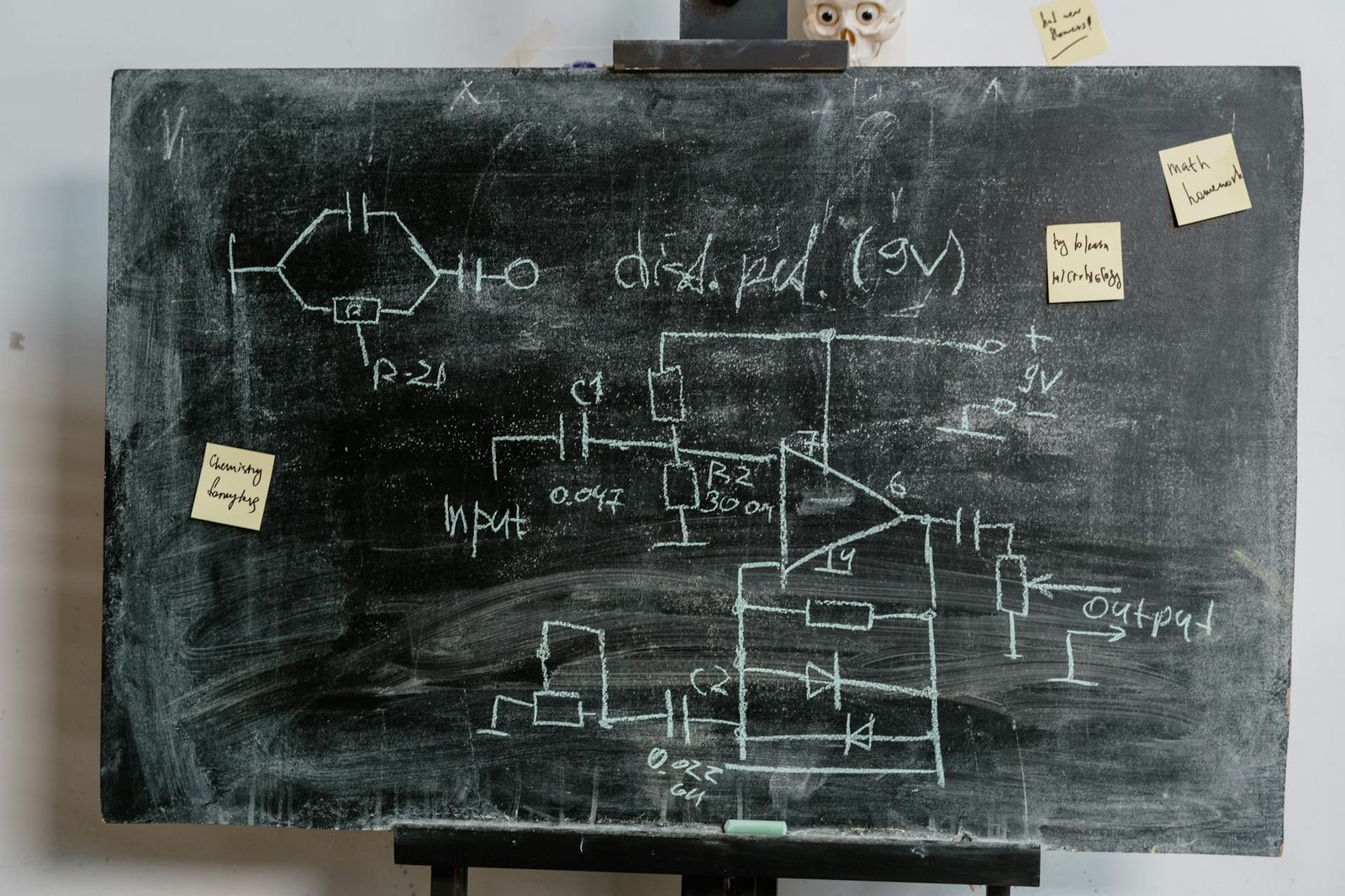
Electric circuits combine physical concepts with careful calculations. A tutor can start by explaining the meaning of current, potential difference and resistance, using standard circuit symbols and clear diagrams. Students should learn how series and parallel arrangements differ and what quantities are shared or divided. Before using an equation, the learner should identify the components and values given in the question. Multi-step circuit problems become manageable when solved systematically. Checking units and the reasonableness of results helps detect mistakes. Safe diagrams and simulations can support learning; students should not attempt unsafe electrical experiments. A tutor can review whether a wrong answer came from an incorrect circuit interpretation or an arithmetic error. Independent practice is important because watching someone else solve a circuit is not enough.
Magnetism and induction concepts

Magnetism and electromagnetic induction involve fields and directions that can be difficult to visualise. A tutor can use diagrams and appropriate educational animations to clarify what changes in a situation and which effect follows. Students should practise interpreting arrows and applying the direction conventions taught in their course. The teacher should distinguish the physical principle from a memory aid used to recall a direction. In numerical or descriptive questions, students need to explain why a rule applies rather than name it without context. Revision can mix simple conceptual questions with more complex examples. If the student struggles, a clearer diagram may help more than repeating the equation. Explanations should match the learner’s class and prescribed syllabus.
Optics: mirrors, lenses and ray diagrams

Optics lessons can begin with simple observations of reflection and refraction before moving to the ray diagrams required by the syllabus. Students should learn to label objects, images, focal points and the direction of light accurately. Instead of memorising a single drawing, the learner can practise constructing images for different object positions. Sign conventions and units deserve attention in numerical questions. A tutor can ask the student to predict whether an image will be real or virtual and then verify the prediction using a diagram. Comparing mirrors and lenses helps learners organise the concepts. Regular independent drawing practice is useful because small diagram errors can affect the whole solution. The tutor should review both the explanation and the final answer.
Waves, sound and graph interpretation
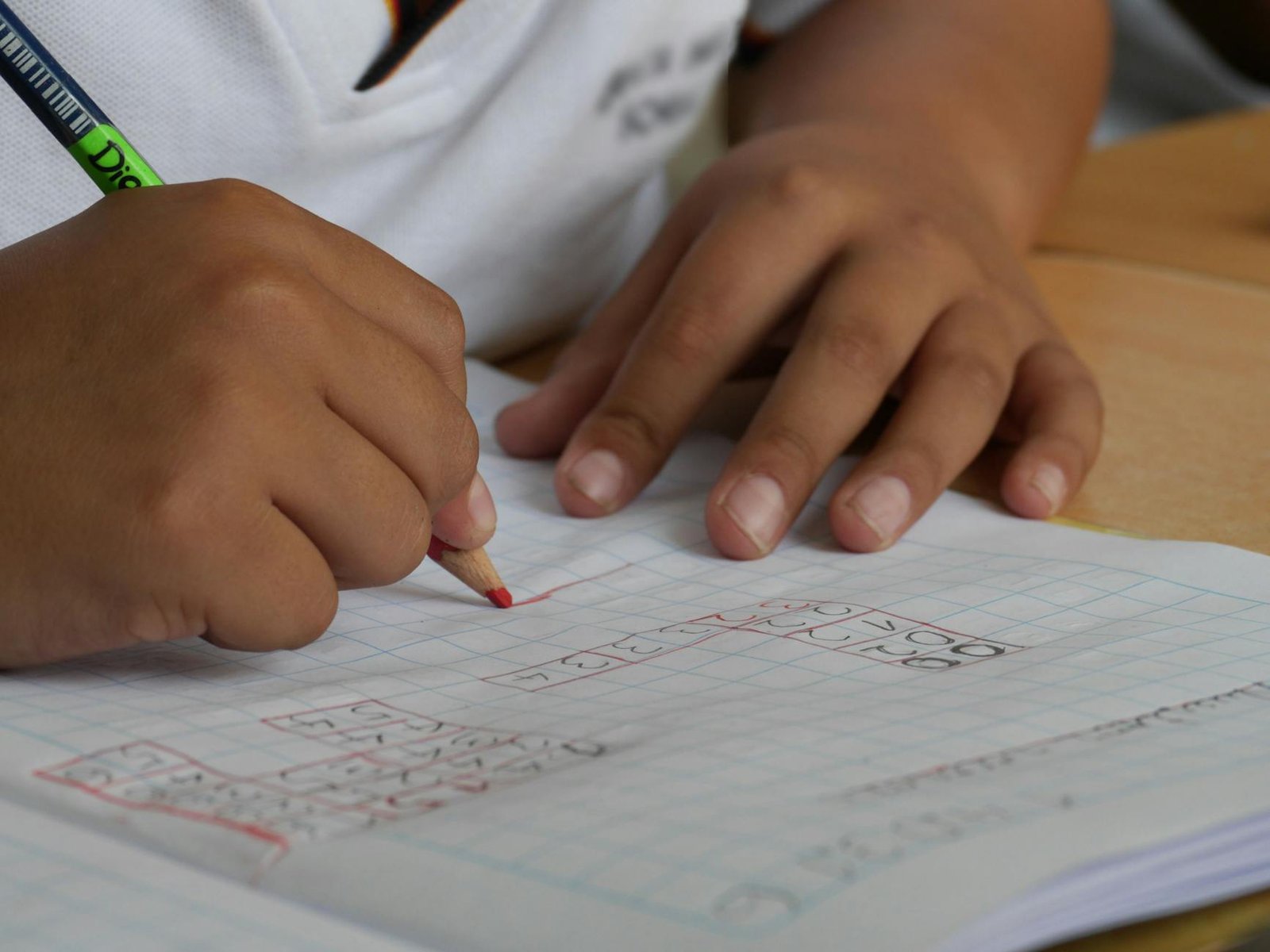
Waves provide opportunities to connect diagrams, graphs and mathematical relationships. A tutor can explain amplitude, wavelength, period and frequency using the terminology expected in the student’s class. Students should practise identifying each quantity on a correctly labelled graph. Sound examples can make the ideas familiar, but scientific definitions should remain precise. Numerical questions may require unit conversions or careful interpretation of the information given. Learners should be able to explain why an equation is relevant before substituting values. Comparing two wave diagrams can reveal whether a student understands changes in frequency or amplitude. Short mixed questions are helpful because they test recognition rather than memorisation. The teacher can return to a simple sketch whenever a calculation seems disconnected from the physical concept.
Modern physics and semiconductor topics

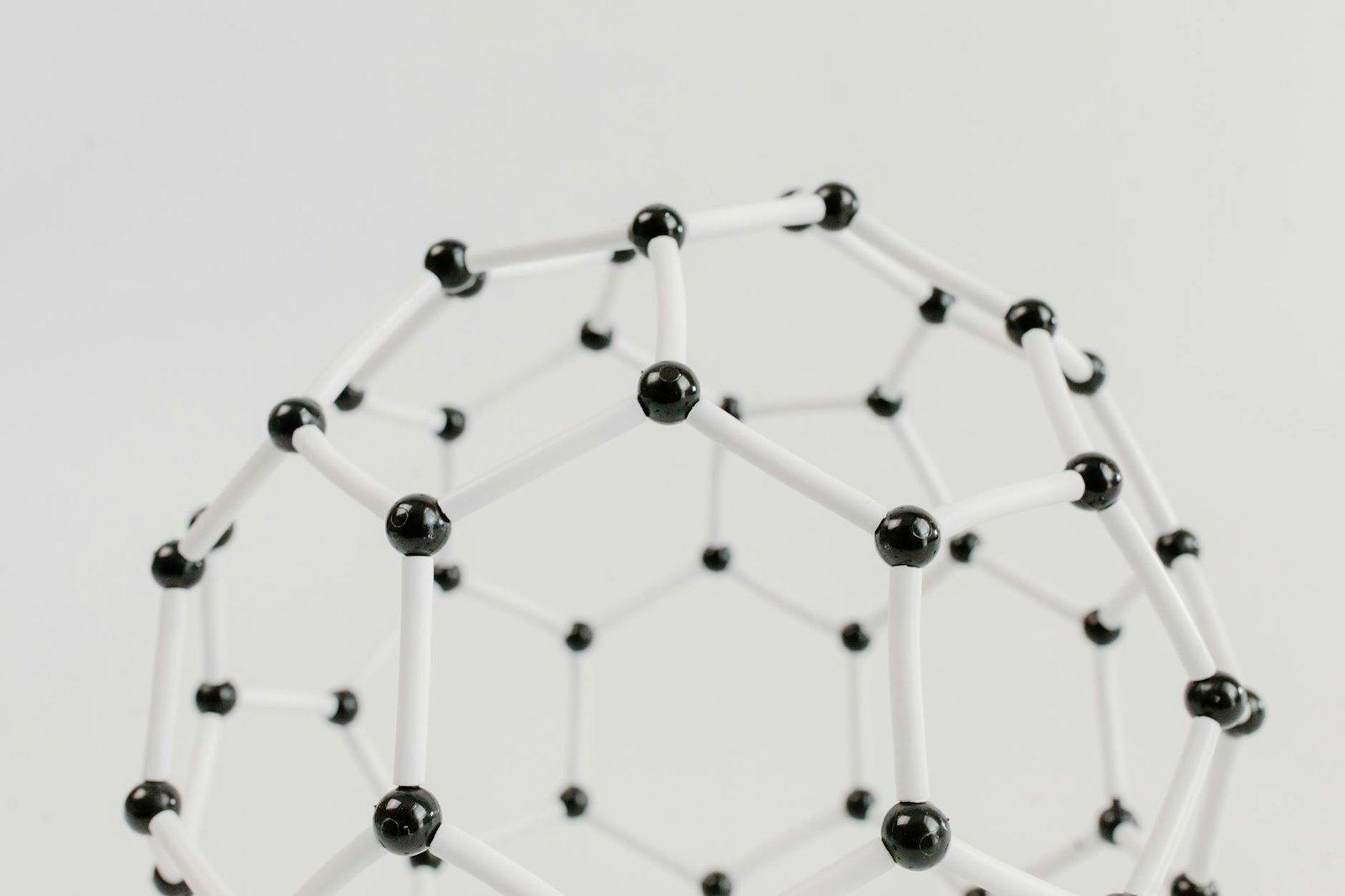
Some senior secondary courses include atomic models, nuclei, photoelectric effects and semiconductor concepts. These topics can be abstract, so a tutor should explain the model, relevant evidence and limitations at the depth required by the syllabus. Simple diagrams and structured notes can help students connect terminology with meaning. Numerical problems should begin with clear definitions of the quantities and units involved. Students should not assume that a formula applies to every superficially similar question. For descriptive answers, practising precise explanations can improve clarity. A tutor can compare related ideas and ask students to describe the difference in their own words. Official textbooks and current board materials are useful references for terminology and scope. Regular review helps prevent unfamiliar vocabulary from becoming a barrier.
A practical method for solving physics numericals

When solving a physics numerical, begin by reading the question twice and identifying the known values and the required quantity. Sketch the physical situation when helpful. Write the relevant principle or equation and check whether its assumptions match the problem. Convert units before substitution, rearrange carefully and show intermediate steps. The final answer should include an appropriate unit. Students can estimate the expected magnitude to detect unreasonable results. If the answer is incorrect, the tutor should help locate the first faulty step rather than merely provide the right number. A notebook of recurring errors can reveal patterns involving signs, units, algebra or misunderstanding. With practice, the student should need fewer hints and become more confident selecting a method independently.
Preparing for school and board examinations
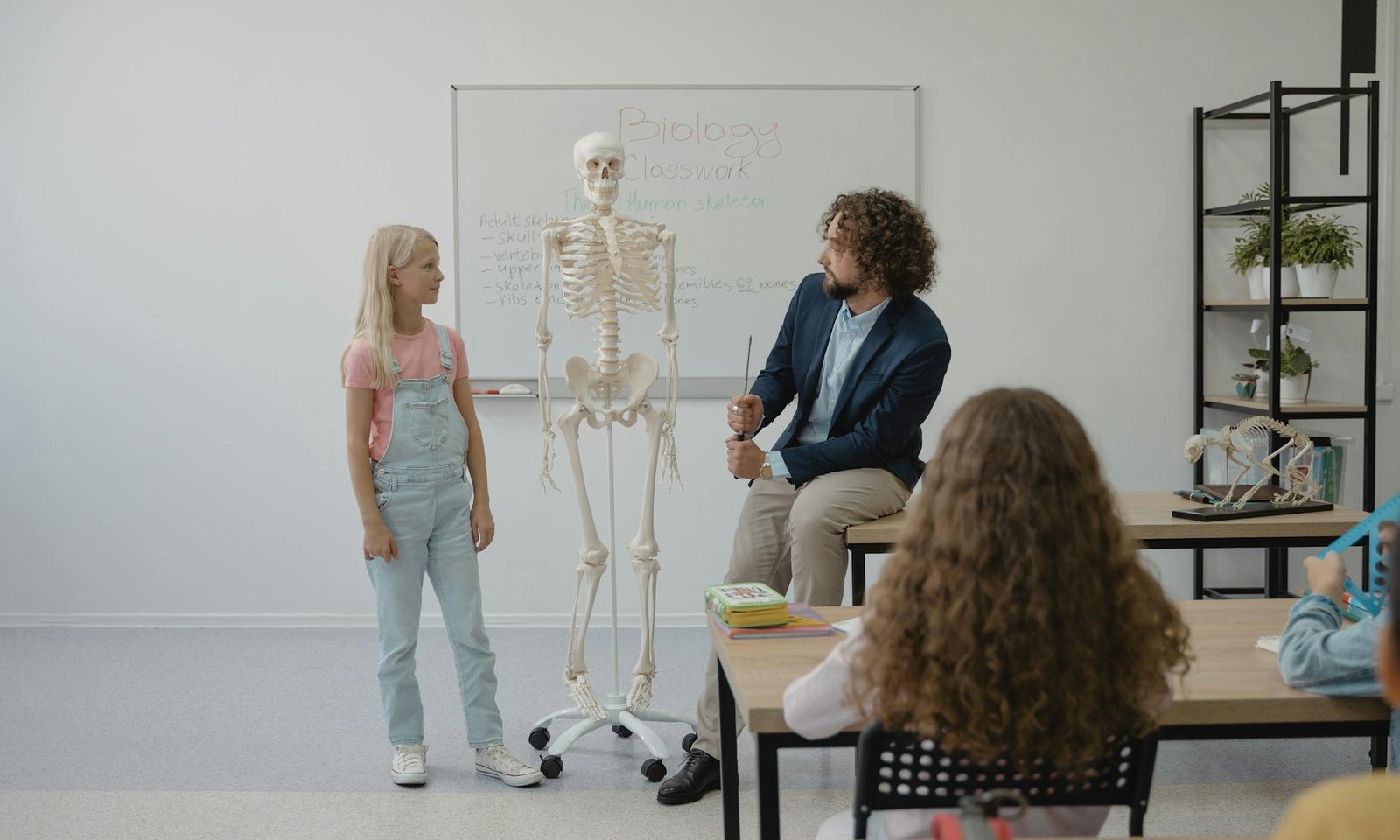
Physics exam preparation should use the current syllabus, school textbook and official board resources. CBSE families can check CBSE Academic and NCERT; students following CISCE programmes can consult CISCE. A tutor can organise revision around concepts, derivations, diagrams, numerical problems and experimental interpretation. Students should practise writing complete solutions, including the relevant units and reasoning. After a test, review mistakes by type: conceptual misunderstanding, incomplete working, calculation error or poor time management. Targeted revision can then address the actual cause. Timed papers are useful once the student has practised solving questions accurately. No responsible tutor can guarantee a particular score or rank.
Physics tuition for JEE and NEET aspirants

Competitive-exam physics requires conceptual understanding, varied problem solving and careful time management. Students should verify the current official syllabus and notices for their examination, such as JEE Main or NEET. A tutor can start with untimed questions to identify weak concepts, then introduce mixed practice and timed sets. Reviewing mistakes is essential because the same incorrect answer can arise from different causes. Students may need to revise algebra, vectors or graph reading before advanced physics practice becomes productive. A realistic plan should also leave time for school subjects and rest. Parents can ask for progress updates that describe which topics the student can now solve independently rather than relying only on mock-test scores.
Online physics tuition and in-person lessons

Both online and in-person physics tuition can be effective when the student participates actively. Online lessons need clear digital writing tools so diagrams and equations remain easy to follow. The learner should be able to share their own calculations and receive corrections. In-person sessions may make it easier to review handwritten work and notice hesitation. Parents should ask how homework is assigned, how doubts are answered and whether the teacher adapts to the student’s pace. The best format depends on the learner’s age, confidence, location and schedule. An introductory discussion can help assess communication. Regardless of format, the tutor should encourage independent problem solving rather than complete every question for the student.
How to track progress over several weeks
A useful progress report does more than count completed chapters. The tutor can note which concepts the student explains correctly, which numerical problems can be solved without help and which mistakes still recur. Short quizzes and review of school assignments can provide evidence. Parents can ask for two or three practical goals, such as improving circuit diagrams, interpreting motion graphs or using units consistently. These goals should be reviewed after several weeks. If progress is slow, the teacher can revisit prerequisites or adjust the pace. The student’s confidence and willingness to attempt unfamiliar questions also matter. Regular communication helps parents understand what support is needed at home without placing unnecessary pressure on the learner.
Physics home tuition in Chandigarh and nearby areas

Families looking for physics home tuition in Chandigarh, Panchkula, Mohali, Zirakpur or nearby localities should share the student’s exact area, class, board and preferred time. Tutor availability and travel arrangements vary, so they need confirmation during the enquiry. Explain whether the student needs help with school chapters, board examination revision, numerical practice or competitive preparation. For local information, explore our Panchkula tuition guide and Chandigarh home tuition page. If a suitable in-person arrangement is not available, ask whether online lessons could work. The goal is to match the teaching format and schedule to the student’s actual learning needs.
Frequently asked questions about physics tuition
Can tuition help with difficult numerical problems? Yes, a tutor can guide students through concepts, equations and unit checks. Is physics tuition suitable for Classes 9 to 12? It can help when lessons match the current syllabus and learner’s needs. How often should lessons take place? The right frequency depends on schoolwork, current understanding and independent practice time. Are online lessons possible? Yes, when diagrams and written work can be shared clearly. Will exam marks improve automatically? No; outcomes depend on several factors. What should parents share when enquiring? The student’s class, board, difficult chapters, location and preferred schedule. How can progress be measured? Through independent questions, error reviews and school assessments.
Arrange a physics home tuition enquiry

Before contacting BEST HOME TUITION, note the student’s class, board, difficult physics topics and preferred lesson schedule. Explain whether the immediate priority is foundational understanding, school test preparation, board revision or entrance-exam practice. The team can discuss possible tutor arrangements and next steps. Parents should confirm fees, availability, teaching format and timing before starting regular lessons. A suitable tutor should help the learner develop clear reasoning and independent problem-solving habits. For additional advice, read our physics home tutor guide and maths home tuition guide. Use the Call Now or WhatsApp buttons below to enquire directly. Availability and fees are confirmed during contact.
BEST HOME TUITION
Looking for a Home Tutor? Tell us the class, subject, board and location.
Mobile: +91 8872339669
Call NowChat on WhatsApp
7 Responses
[…] should include both conceptual explanations and numerical questions. For more information, see our physics home tuition guide. Families should discuss whether the student’s device can display diagrams and equations […]
[…] review mistakes and identify whether the difficulty is conceptual or mathematical. Explore our physics guide and chemistry guide for subject-specific […]
[…] more independent work. Families seeking Physics or Chemistry teachers can explore the site’s Physics tuition information and Chemistry tuition information before […]
[…] and practical arrangements without using unverified rankings. More information is available in our Physics tuition guide and contact page. Best Home Tuition can discuss the requirement, but no specific tutor, demo policy […]
[…] free-body diagrams and friction is becoming easier to explain without prompts. Parents can use our Physics tuition guide and contact page to explore the […]
[…] any demo terms rather than assume that every enquiry has a free lesson. For related information see Physics home tuition and contact information. Practical availability needs confirmation, not […]
[…] Any demo arrangement should be confirmed directly rather than assumed. Families can consult our Physics home tuition information and contact page. A tutor’s actual availability in the requested locality and time slot is a […]