Class 10 Light Home Tuition: Reflection and Refraction
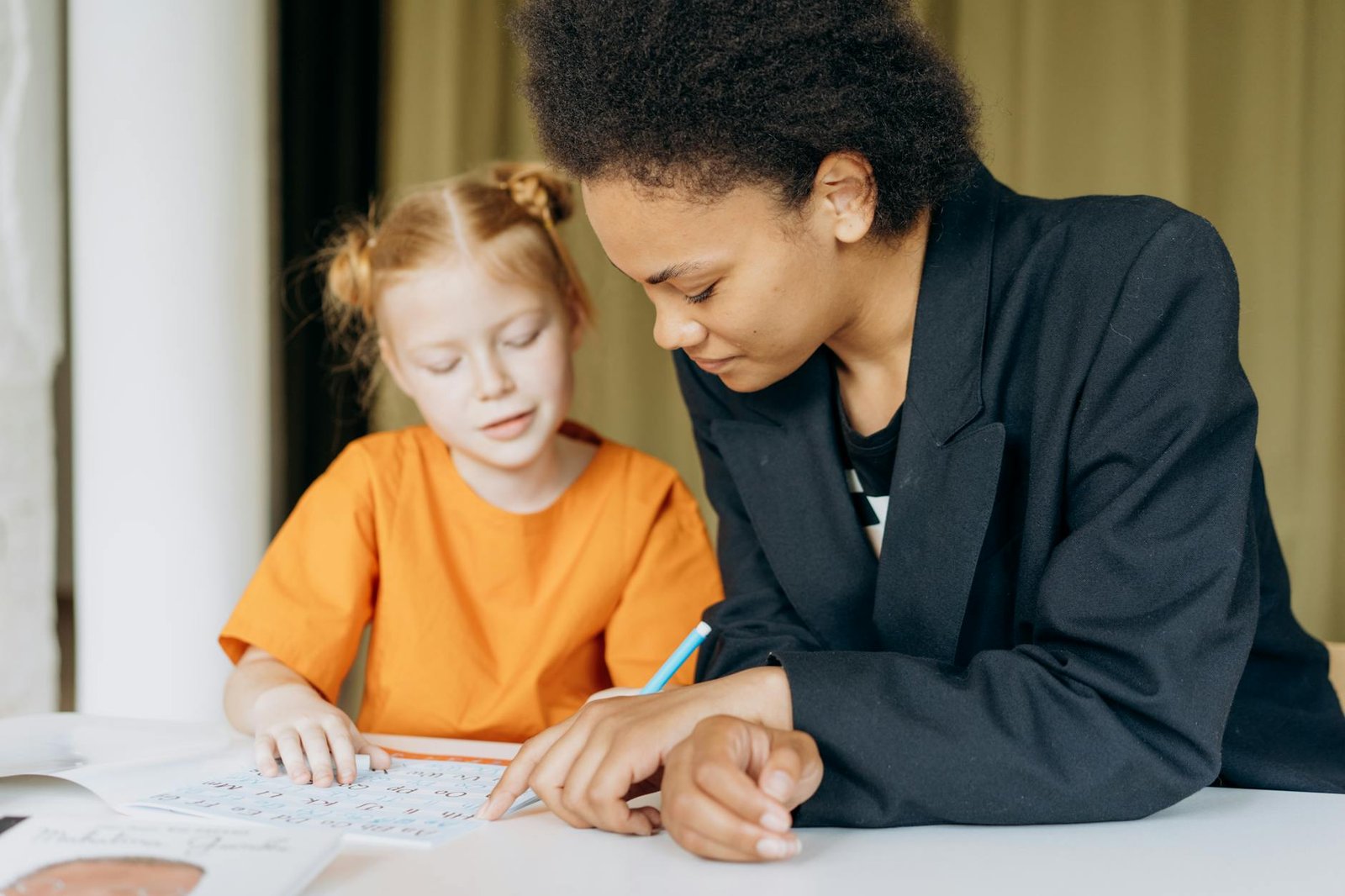
class 10 light reflection refraction home tuition is an educational guide for families seeking individual help with light reflection, refraction and image formation. It covers worked examples, common misconceptions, independent revision and questions to ask a qualified tutor. Best Home Tuition handles enquiry-based matching, subject to availability.
In brief: Reflection returns light into its original medium, with incidence and reflection angles equal under the usual model; refraction bends a ray between media because propagation speed changes. The best next step is to check school requirements, identify the learner’s starting skill, practise a fresh question and examine what they can do without hints.
The chapter question behind class 10 light reflection refraction home tuition
A learner asking for help with light reflection, refraction and image formation may have a very specific difficulty, even if the whole unit seems confusing. Some students can give a definition but cannot apply it to another context. Others complete a familiar model answer yet struggle to decide which information is relevant in a new question. Begin with a real school exercise and ask the student to describe their own reasoning. That reveals the first step needing support.
The central concept for this guide is: Reflection returns light into its original medium, with incidence and reflection angles equal under the usual model; refraction bends a ray between media because propagation speed changes. An effective tutor checks understanding through a worked example, an independent variation and a later recall task. Parents should ask what the learner can now do alone rather than rely on a general promise of higher scores. A chapter guide is informational: actual subject teachers, tuition fees and lesson times need confirmation for each enquiry.
Key vocabulary and meaning in light reflection, refraction and image formation

Before solving a problem, ask what every important term in the question means. Reflection returns light into its original medium, with incidence and reflection angles equal under the usual model; refraction bends a ray between media because propagation speed changes. The student should restate that idea in plain language and explain one example. Where a process has stages or an accounting convention has conditions, those distinctions should be written beside the definition. A tutor can check whether the learner can distinguish two closely related terms rather than using them interchangeably.
A small glossary may contain only five or six essential words, each linked to a specific question or representation. Encourage the learner to discuss why the definition matters and when it might not apply. Some simplified school models leave out advanced detail, so the teacher should explain the relevant assumptions clearly. Accurate vocabulary supports better written answers, but vocabulary without conceptual understanding is not enough.
Match the lesson to the school syllabus
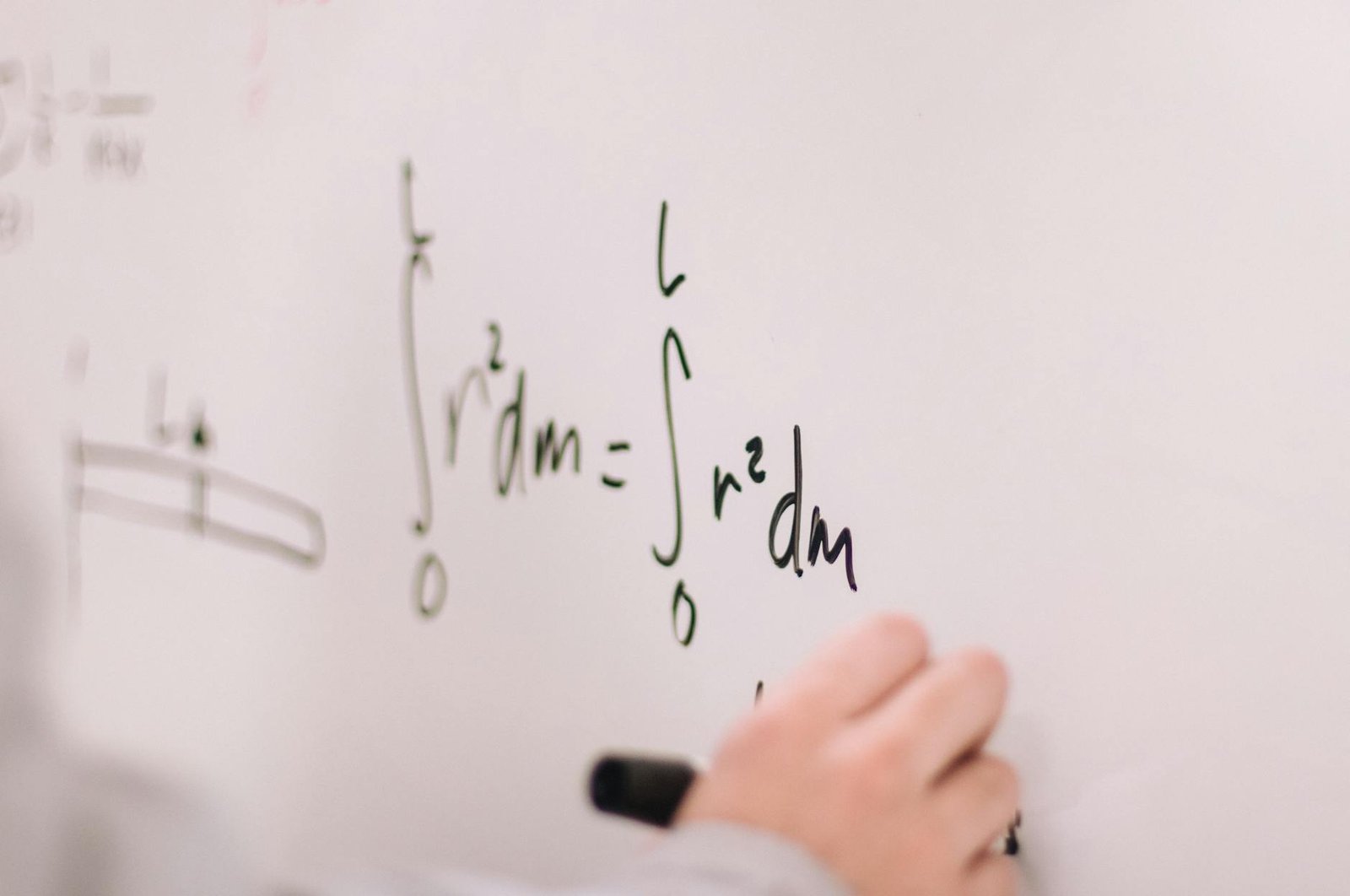
The student’s textbook, board and current school instructions should guide topic selection. For CBSE, parents can consult CBSE Academic and NCERT educational resources. Families using other boards should check their corresponding official sources. This page presents learning examples; it does not claim that every task is part of the latest paper pattern or that a chapter cannot change over time.
Ask the learner to collect recent homework, marked answers and current chapter notices. Identify one misunderstanding and one writing or presentation skill to improve. A realistic plan will connect practice to school requirements without filling every evening with unnecessary worksheets. Parents can request a brief explanation of why the proposed homework is relevant to light reflection, refraction and image formation at Class 10 level. School teachers’ current directions take priority over a generic online practice list.
Prerequisite knowledge before the new lesson
The first assessment can check angles, straight lines and normal construction. Give a short familiar task followed by a slightly different question. Note which part the student understands independently and where a hint becomes necessary. Some apparent problems with advanced topics are caused by earlier gaps in reading a diagram, recognising a unit, explaining a sequence or applying basic arithmetic. The tutor should be willing to address those foundations before moving on.
An early correction is best introduced respectfully: ask the learner to explain their choice, then compare it with the necessary condition. Parents may wonder why a teacher revisits an older skill, so the tutor should show the connection to today’s concept. A targeted foundation lesson can be more effective than repeating a long answer the student has already memorised. The result should guide the next exercise rather than become a permanent label.
First worked example: Draw an incident ray making 30° with the normal to a plane mirror and show the reflected ray making 30° on the other side of the normal.
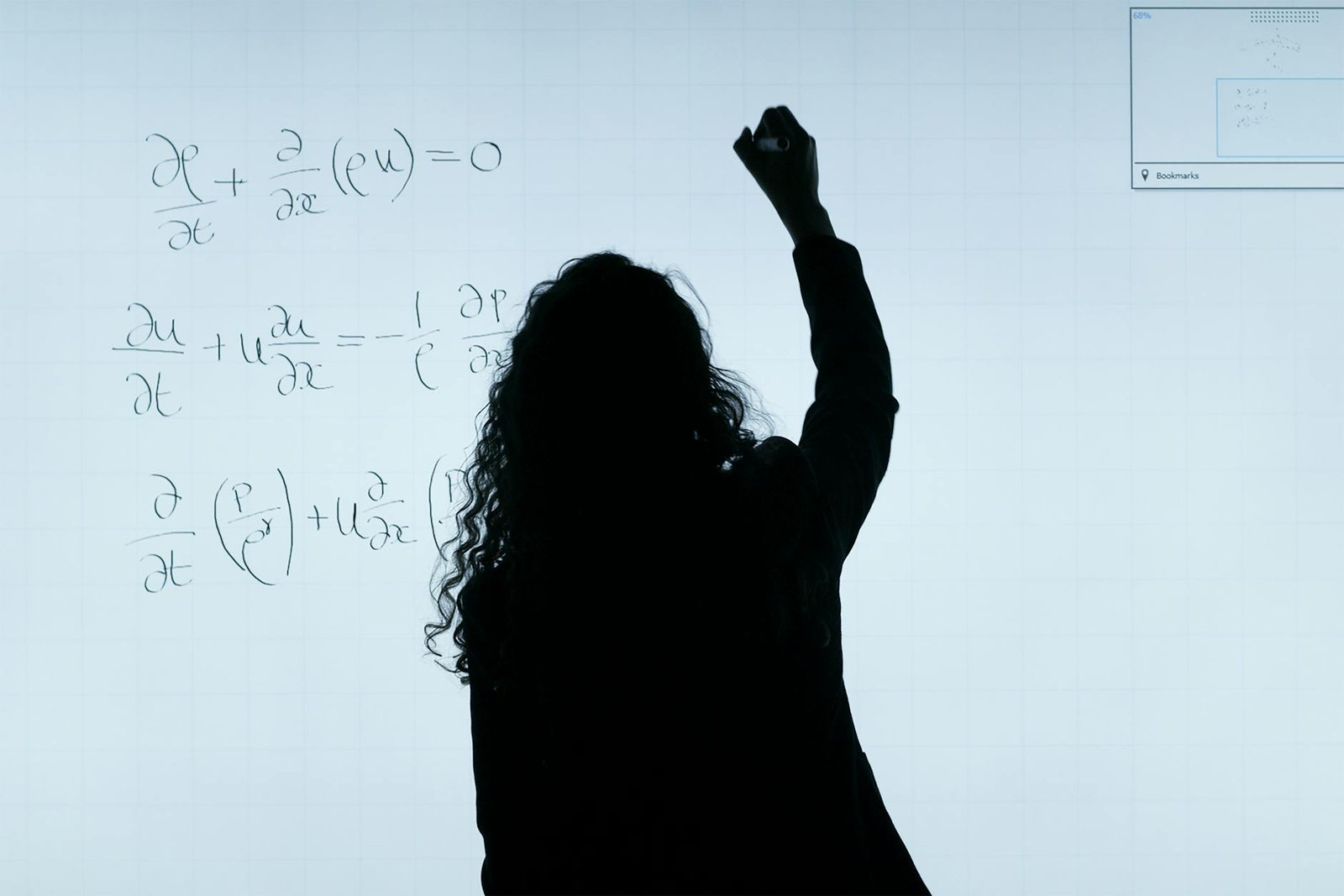
A clear illustration is: Draw an incident ray making 30° with the normal to a plane mirror and show the reflected ray making 30° on the other side of the normal. Ask the learner to separate the information supplied from the conclusion being sought. A tutor can model the first part of the explanation, pointing out which definition or operation is used and why. Then ask the student to complete one remaining step. The goal is not to recite a flawless response immediately but to understand the connection between the task and the method.
Once the solution is finished, ask what would happen if one stated value or condition were different. That question prevents a worked example from becoming a memorised script. Where relevant, check labels, time periods, units or the assumptions behind the result. Save the example in a concise form with the student’s own explanation beside it. This provides a useful reference for a later independent task without overwhelming the learner with copied text.
A second application: When light travels from air into glass at a nonzero angle, describe why the refracted ray generally bends toward the normal.
Next, try a different but related question: When light travels from air into glass at a nonzero angle, describe why the refracted ray generally bends toward the normal. The student should identify what makes this example different from the first. Ask them to select the relevant method and predict the result before the tutor gives any hints. If they make an incorrect assumption, the teacher can ask which part of the question supports it. That discussion reveals a gap more precisely than simply marking the final answer wrong.
After the attempt, compare both examples using a brief table. Record the known facts, the concept used, important constraints and how the conclusion was checked. Ask the child to explain one difference in an ordinary sentence. The ability to transfer a principle to new wording is important for examination preparation and for future topics. Encourage carefully selected practice rather than exhausting repetition of the same model answer.
A common error in this subject: Measuring the angle from the mirror surface rather than the normal, or claiming every ray bends at a boundary.

One mistake worth addressing directly is Measuring the angle from the mirror surface rather than the normal, or claiming every ray bends at a boundary.. Students sometimes remember the appearance of a textbook explanation but miss a condition that changes its meaning. Ask the learner to locate the first point where the mistaken interpretation entered their work. The tutor can show a contrasting example and then invite a corrected answer. Make the reason for the correction explicit, not merely the final sentence or number.
Keep an error notebook with the original misconception, a short accurate distinction and one related exercise. Review it after several days without asking the student to repeat the correction word for word. If the error persists, return to angles, straight lines and normal construction or change the representation. Parents can use the notebook to ask constructive questions about progress rather than judging the learner by one assessment. A repeated error is useful teaching information.
How to represent light reflection, refraction and image formation visually
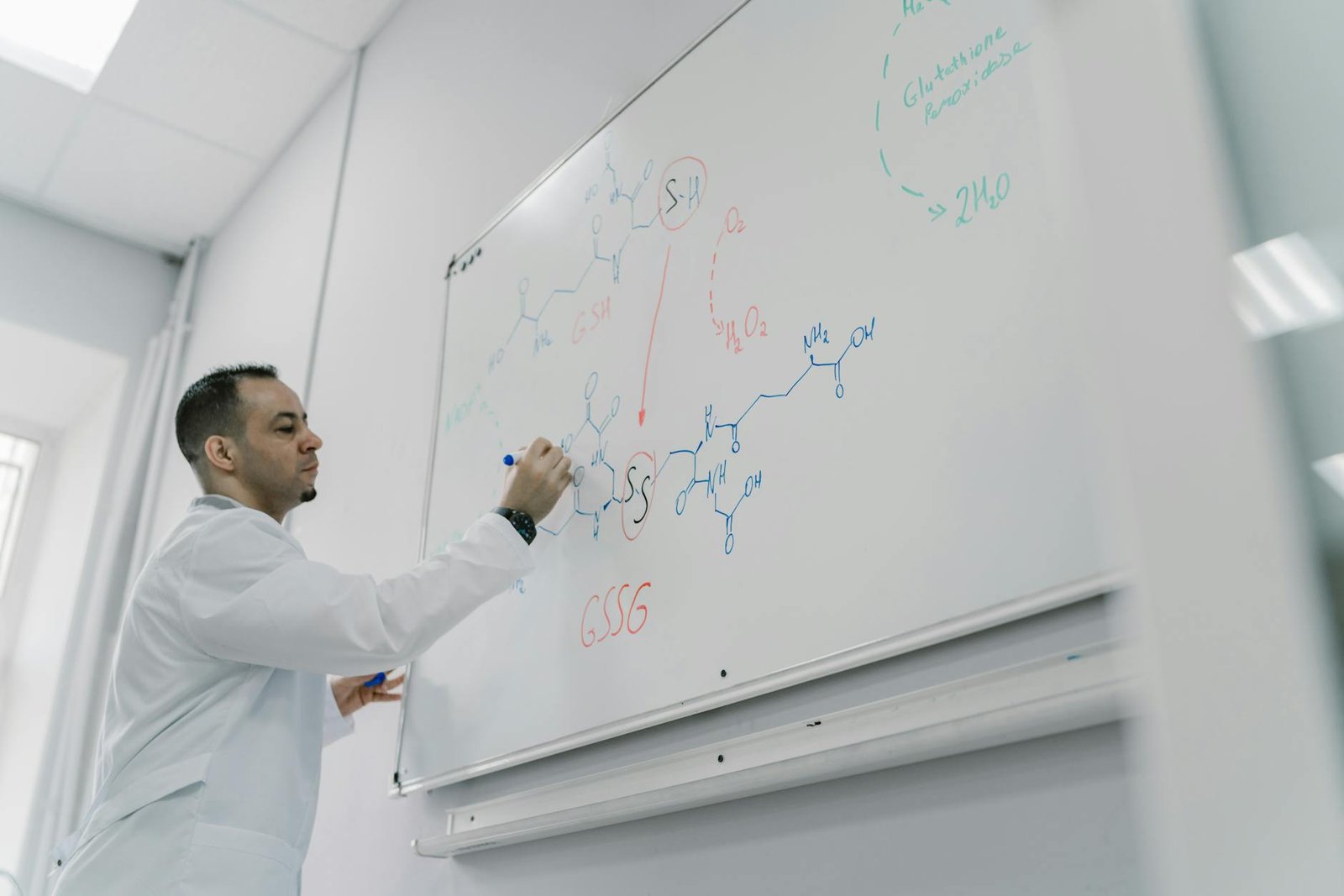
A suitable organiser is: An incident-reflected-refracted ray drawing identifies the boundary, normal and media. Use labels that match the textbook and show what each arrow, category or value represents. The tutor can build the first version with the learner, then offer a partly completed second version for practice. The student should be able to explain how the representation answers the question rather than treating the image as decoration. A simple, accurate visual is often more useful than an elaborate but unclear diagram.
Ask the student to translate the organiser into a paragraph or step-by-step explanation. Which parts are assumptions? Which statements are supported by the diagram and which would need more information? This is particularly important in Science, Commerce and Social Science, where students must move between representations and written reasoning. Use a new example to check whether the visual skill transfers beyond the first textbook page.
A familiar application: A pencil appearing displaced in water can motivate a textbook explanation without unsafe laser experiments.
A practical example can make an abstract chapter less intimidating. Consider this application: A pencil appearing displaced in water can motivate a textbook explanation without unsafe laser experiments. Ask what it demonstrates, which details are simplified and which parts are outside the lesson. A teacher should avoid implying that hypothetical classroom situations are real commercial, personal or political records. Instead, use the example to help the learner recognise the central idea in another form.
Invite the student to change a condition and predict whether the outcome or explanation changes. That question encourages reasoning rather than memory. If the example involves real-world measurements or biological processes, retain appropriate safety and privacy boundaries. The aim is a clear academic connection to the current syllabus, not an invitation to carry out unnecessary experiments or collect personal data.
A quick check the student can do alone

A reliable self-check for this topic is to Check which angle is measured relative to the normal, and whether the diagram matches the stated media.. Explain what this check establishes and what it does not establish. For an accounting answer, the relevant totals or conventions may need checking; for scientific explanations, conditions and labels matter; for English or Civics, an accurate interpretation must be supported by the text or facts. The student should attempt the check before hearing the tutor’s answer.
A compact checklist can ask whether the question has been interpreted correctly, whether the chosen rule fits and whether the conclusion follows. If an answer fails one check, identify the earliest unsupported step and repair it. Practising self-correction helps reduce dependency on a teacher. Parents should encourage questions but avoid doing the final exercise themselves, since the independent attempt reveals the actual learning need.
What a productive one-to-one tuition session includes

An individual lesson can open with short recall, then a focused explanation, guided example, independent response and review. Different students may need different amounts of time for each stage. The teacher should not speak continuously while the student copies. Reserve a part of the session for a question the learner has never seen and allow enough time to think before offering support. That attempt is one of the clearest indicators of understanding.
For light reflection, refraction and image formation, the first guided task could use Draw an incident ray making 30° with the normal to a plane mirror and show the reflected ray making 30° on the other side of the normal., followed by a new variation based on schoolwork. The tutor can record which idea was clear and which still required a hint. End the session with one manageable practice activity and a clear next goal. Parents can ask what was accomplished independently, not simply whether a chapter heading was covered. The lesson should build confidence through specific feedback.
An independent question after the demonstration

After showing one example, ask the learner to decide how to approach a new one without naming the method in advance. The student can sketch, list known facts or outline a paragraph. Allow a sincere attempt rather than supplying every step. If the solution is incomplete, discuss whether the central misunderstanding involves terminology, method, presentation or a missing prerequisite. Each issue requires different feedback.
In Physics, the distinction between a guided and independent answer is important. Mark an attempt as completed alone, with one hint or after substantial assistance. The teacher can revisit a comparable task later to see whether the support is still necessary. Avoid giving large homework packets merely to create the appearance of progress. A few carefully reviewed responses can be more useful.
A flexible seven-day revision sequence
Day one can introduce the idea and one supported example. Day two can use a short question with no hints. By midweek, change the wording or the visual representation and revisit an earlier error. Later, mix a prerequisite question with an application from the current chapter. At the end of the week, ask the child to explain the central idea and perform the relevant self-check without looking at notes. This is a sample sequence, not a compulsory daily tuition schedule.
Some students need shorter independent tasks, while senior secondary learners may need longer periods for a complete problem. A tutor should accommodate school deadlines, homework and rest. In this chapter, When light travels from air into glass at a nonzero angle, describe why the refracted ray generally bends toward the normal. can serve as an application once the foundation is understood. Keep the weekly record simple and avoid presenting the completion of many pages as proof of mastery. Quality of reasoning and feedback matters more.
A correction notebook for recurring misconceptions

Create a short entry whenever a mistake reflects an idea likely to reappear. Include the question, the learner’s original reasoning, why the key step was mistaken and a corrected attempt. In light reflection, refraction and image formation, a useful entry might address Measuring the angle from the mirror surface rather than the normal, or claiming every ray bends at a boundary.. Ask the student to write the correction in their own words instead of copying a long model solution. When revisiting the entry later, use a new question that checks the same distinction.
If the student can explain the corrected concept independently, the tutor can reduce repeated practice of that exact error. If it persists, consider another diagram, real-life analogy or foundation lesson. Parents can review the notebook occasionally but should focus on the explanation rather than the number of mistakes. A calm approach helps children ask honest questions, which is essential for discovering what still needs instruction.
Two-week progress tracker and parent feedback

Save one written baseline from the first lesson. After about two weeks, provide a fresh question of similar difficulty and compare the accuracy, clarity and independence of the answer. A short sample does not support a precise percentage of improvement, but it can show whether repeated errors are becoming less common. For light reflection, refraction and image formation, observe whether the learner now knows how to Check which angle is measured relative to the normal, and whether the diagram matches the stated media. without a teacher’s reminder.
A brief parent update can state the skill practised, what the student completed alone and what needs further work. Avoid vague claims that scores are guaranteed to rise. If little changes, revisit the prerequisite or improve the explanation rather than recommending more hours automatically. A useful plan responds to evidence from schoolwork and independent practice, not only the number of tuition sessions attended.
Exam writing, revision and avoiding cramming
School assessments may test definitions, calculations, diagrams, source-based responses or structured explanations according to subject and board. Begin with current school material and official sample guidance when available. An answer that merely copies an unrelated paragraph may not respond to the question. Encourage the learner to identify command words, present relevant evidence and check each part of the response. Timed work is most useful after the central idea has been taught.
When reviewing school-test errors, distinguish weak understanding from careless presentation or time pressure. For Class 10, leave space for other subjects, breaks and regular sleep. A tutor should support practical study habits while respecting the student’s wellbeing. No single lesson approach can guarantee an examination score, and parents should be cautious about absolute promises. Revision should strengthen understanding rather than generate endless worksheets.
Questions to ask before choosing a specialist tutor
Ask a proposed tutor about experience with Class 10 Physics, the current school board and the specific difficulty. A useful demonstration can explain Draw an incident ray making 30° with the normal to a plane mirror and show the reflected ray making 30° on the other side of the normal., followed by a question the student attempts without prompts. Watch whether the tutor notices uncertainty and can try another explanation. Suitable subject knowledge, patience and clear feedback are more useful than unverified claims of universal expertise.
Discuss the learning space, lesson timing, current fees, cancellation terms, travel and the method for sharing progress with parents. Any demo arrangement should be confirmed directly rather than assumed. Families can consult our Physics home tuition information and contact page. A tutor’s actual availability in the requested locality and time slot is a separate matter from the information in this guide.
Individual visiting tuition versus online lessons

Visiting tuition may make it easier to inspect handwritten notebooks, while online lessons can also work when a suitable teacher uses a clear whiteboard and receives the student’s attempts for review. The choice depends on concentration, technology, travel and the subject difficulty. A screen-based lecture without interaction does not demonstrate that the student can solve the problem independently. Parents should ask how feedback will be provided in the proposed format.
Best Home Tuition accepts enquiries for Panchkula, Chandigarh, Mohali, Zirakpur, Kharar and suitable online sessions, subject to teacher qualifications and practical schedules. See the local tuition guide and online home tuition page for related options. Share the child’s grade, board, general locality and preferred timing when enquiring, but do not assume that every specialist is available immediately.
FAQs about class 10 light reflection refraction home tuition

Is individual tuition necessary for every student? No; extra lessons make sense when a specific learning gap or study goal exists. How many sessions are enough? The answer depends on prior skills, workload and how the topic is progressing. Do boards have identical requirements? No; use the current school and board syllabus. Can homework alone fix the problem? It may help, but a misconception often needs explanation and feedback.
Can tuition take place online? It may be possible if a suitable teacher can review written work. Can test marks be guaranteed? No. What should parents send in an enquiry? Grade, subject, board, difficult question, general area and preferred days. How do we contact Best Home Tuition? Call 8872339669 or use the WhatsApp enquiry link. Tutors, fees and trial terms need confirmation.
BEST HOME TUITION — Class 10 Physics
Discuss light reflection, refraction and image formation individual tuition. Share the board, main difficulty, general locality and preferred lesson time.
Call 8872339669 | WhatsApp a Tutor Enquiry
Subject expertise, lesson availability, fees and demo terms must be confirmed. No guaranteed results.
