Class 9 Geometry Proofs Home Tuition Guide

class 9 geometry proofs home tuition works best when lessons address one identifiable difficulty rather than turning each visit into more of the same homework. This practical guide helps parents and students understand geometrical reasoning and proofs, measure independent learning, and decide what to ask a suitable Maths tutor. Best Home Tuition accepts tutor enquiries for Panchkula, Chandigarh, Mohali, Zirakpur and Kharar, as well as suitable online sessions, subject to expertise and availability.
Quick answer: Start with the current school syllabus, test one prerequisite skill, teach a complete worked example, ask the learner to try a new question without prompts, and review the same skill several days later. The following plan illustrates how Class 9 study support can be organised without promising specific marks, fixed lesson fees or instant teacher availability.
Why Class 9 geometrical reasoning and proofs needs an individual learning plan
Students approaching geometrical reasoning and proofs often have very different starting points. One learner is comfortable recalling definitions but struggles when a question has unfamiliar wording; another understands a textbook explanation but makes mistakes in written steps. A teacher should begin with evidence from the child’s notebook, classroom questions and recent assessments. The question is not simply whether the student has finished the chapter, but whether they can explain a related idea and attempt a fresh problem without being guided through every line.
Parents looking for class 9 geometry proofs home tuition should ask what the first three meetings would accomplish. A practical answer identifies the starting skill, a sample explanation and a method for checking retention. In Maths, the essential goal is justified logical steps. The tutor may need to change examples or slow the lesson when the foundation is missing. More class time alone cannot replace a clear explanation and meaningful independent work. A manageable routine matters as much as the choice of teacher.
Confirm Class 9 school-board syllabus and chapter sequence

Before choosing exercises, compare the school’s latest chapter list and assessment instructions with the material the student is using. A chapter title can sound familiar across boards while its depth, order or question style differs. Families following CBSE can consult CBSE Academic and NCERT educational resources; other boards require their own official guidance. The student’s school instructions remain essential for homework and internal assessments.
Write down the exact topic, school textbook, lessons already completed and any upcoming assessment dates. For geometrical reasoning and proofs, ask whether the learner needs conceptual explanation, written practice or both. A tutor should not automatically claim that every item in an old worksheet belongs in this year’s assessment. Parents can request an outline connecting home lessons to current schoolwork, with space for revision. The planning document can be one page; its value is showing that the teacher understands the actual academic need.
Check prerequisite knowledge before advanced geometrical reasoning and proofs exercises
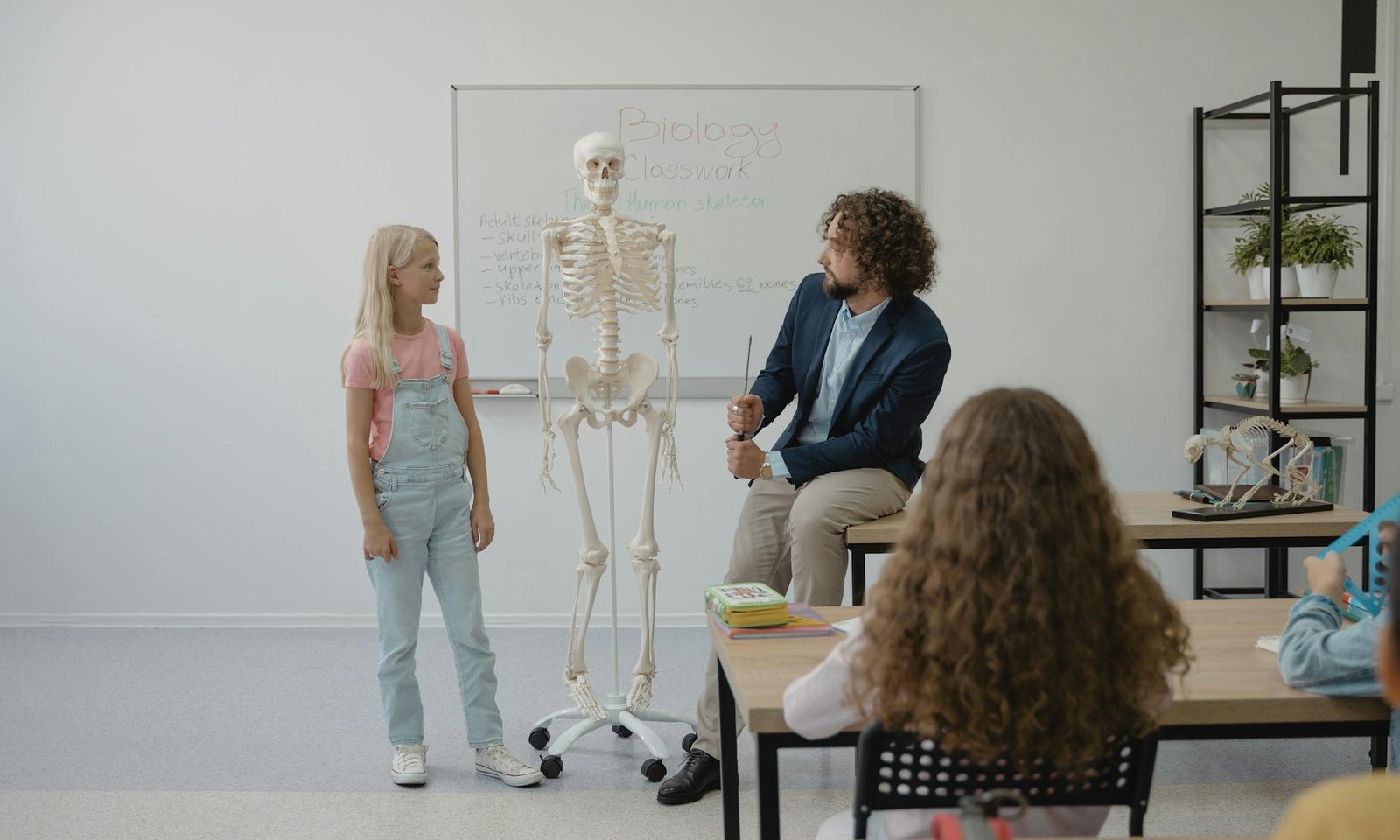
A difficult question sometimes exposes a much earlier gap. For geometrical reasoning and proofs, useful foundations include angle relationships, definitions and previously established facts. Ask the student to explain two small ideas using their own words before introducing the harder chapter exercise. If the child cannot demonstrate a prerequisite confidently, use an easier representation or example. That is not a reason for embarrassment: the purpose of individual teaching is to identify exactly where the thinking stopped making sense.
A tutor can use a ten-minute warm-up with one straightforward question, one question using a different wording and a short explanation from the learner. Avoid treating a lucky correct answer as proof of understanding. Ask why the method works and what would change if the numbers, diagram or context differed. Notes should name the missing skill rather than simply label the whole subject as weak. Parents can observe whether the teacher adapts the next lesson accordingly.
The first home tuition assessment for geometrical reasoning and proofs
A short baseline assessment is more informative than a long, intimidating test. Give a familiar example, an unfamiliar but related problem and a short request to explain a concept. In this chapter, the tutor might begin with identify given facts in a triangle-angle problem. Ask the child to work quietly for a few minutes before offering prompts. Record the exact point at which support became necessary, since that information guides the next teaching decision.
After the attempt, ask whether the learner can find a mistake in an already completed solution. Some students recognise errors more easily than they produce an entire new answer. The baseline should include written working, not only a final number or memorised definition. Share the results with parents in plain language, such as which prerequisite is secure and which step needs another explanation. The purpose is to set a realistic first-week goal, not to compare the child with peers.
Worked example one: identify given facts in a triangle-angle problem

A productive worked example starts with the student’s interpretation of the question. Ask what information is given, what must be found and what rules or ideas are relevant. For this lesson, use a carefully chosen task: identify given facts in a triangle-angle problem. Demonstrate the process slowly enough that the child can identify the reason for each step. Show the connection between the new question and a foundation the student already understands, rather than presenting the solution as an isolated trick.
Next, change one detail in the example and ask the student to predict which step must change. If the learner can explain the change, they are beginning to transfer the idea. Write down the explanation in a short form that can be revisited after the lesson. A tutor should encourage the student to use the vocabulary expected in Class 9 while still allowing questions in simple everyday language. A neat final answer is useful only if the underlying reasoning is understood.
Worked example two: write a two-column proof with each claim and its justification

The second example should test understanding in a different context, not repeat the same numbers. A helpful task is to write a two-column proof with each claim and its justification. Begin by asking the student how the second question resembles the first, then identify the new information or condition. Allow some quiet working time before intervening. If the learner reaches a wrong answer, ask for an explanation of the chosen step instead of immediately correcting the work.
A teacher can compare the two approaches in a simple table: given information, chosen principle, representation and how the result was checked. That comparison often makes an invisible reasoning step easier to discuss. The new exercise should be challenging enough to reveal whether the student understands geometrical reasoning and proofs but not so advanced that the entire session becomes frustrating. End by asking the learner to explain a difference between the examples in a complete sentence.
The most common Maths errors and why they happen
One recurring mistake to watch for is assuming a diagram is drawn to scale instead of proving the fact. Correcting the final answer without addressing that thought process often causes the same difficulty to return. Ask the learner to identify the first step where their reasoning stopped matching the question. In a notebook, record the original mistake, a corrected explanation and one fresh practice task. Small, precise feedback is easier for students to use than a page covered in unexplained red marks.
Different error types call for different responses. An inaccurate definition may require clarifying a concept; a calculation or symbol slip may need checking routines; a misunderstood question may call for careful reading. A tutor should not assign twenty more identical exercises when the student cannot explain the first one. Parents can request an example of the error and the teaching change that followed. Over several sessions the goal is fewer repeated misunderstandings, not merely longer homework lists.
A useful 55-minute one-to-one Maths tuition lesson

One possible session begins with a brief recap of yesterday’s difficult step, followed by a clearly defined learning goal. The tutor can then model a concept, guide one question and allow independent work on a new problem. Finish with a small check that the learner can explain without looking at the example. This is an illustrative structure rather than a fixed duration; younger students or complex school assignments may need shorter blocks or different pacing.
In this topic, the teacher might choose a labelled construction with givens marked distinctly to make the concept visible. The student should have time to write, question the method and correct their own attempt. Close with a manageable assignment and a note about what will be checked next time. If a parent asks whether the lesson was successful, the answer should identify a skill completed independently. A session full of teacher explanations but no student attempt cannot reliably show that understanding improved.
Use a representation that makes geometrical reasoning and proofs easier to explain

A visual, table, diagram or structured note can help a learner see relationships that a verbal explanation hides. For geometrical reasoning and proofs, consider a labelled construction with givens marked distinctly. Labels and units should be accurate, and the representation must match the school syllabus. The tutor can draw the first version, then leave a partially completed copy for the student to finish. The aim is to reveal the thinking, not make an attractive picture that is disconnected from the problem.
Ask the learner to translate between the representation and a short written explanation. For example, what does one arrow, row, quantity or label mean? Which part changes when the problem’s condition changes? This exposes gaps that would be missed by copying a textbook image. When a diagram or model has limitations, say so. A teacher who can discuss those limitations shows the child that understanding involves interpreting tools rather than memorising the appearance of a page.
How to ask students to reason aloud without supplying answers
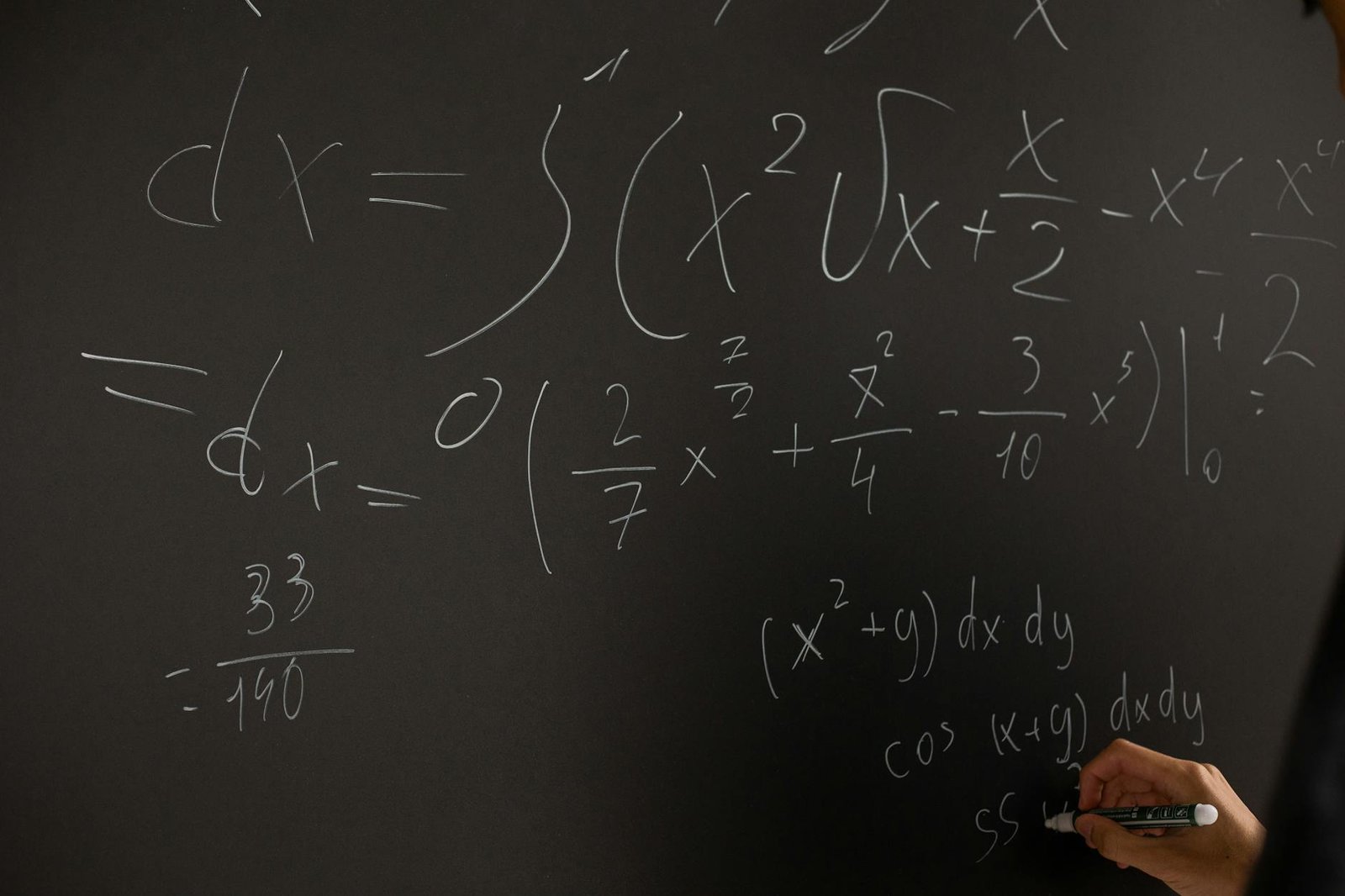
Some students stop talking when they believe every sentence must be correct. A tutor can make reasoning less intimidating by asking neutral questions: What do you know? What must happen next? What could you check? These prompts invite an explanation without secretly supplying the method. In Maths, listen for whether the student understands justified logical steps and can connect each step to information in the task.
If a learner is silent, offer a smaller subquestion or allow time to draw an idea first. Do not turn a mistake into criticism; an incorrect answer can reveal the exact misconception to teach. After the explanation, ask the child to write two or three sentences that preserve their reasoning. Parents can observe whether the teacher listens and adapts rather than simply repeating the same explanation at a higher volume. This is particularly helpful when the topic feels new or abstract.
Seven days of useful geometrical reasoning and proofs revision

On the first day, introduce the key idea and complete one guided example. The following day, let the learner solve a similar question alone and explain any errors. On days three and four, try a different wording or representation. Later in the week, mix one question from the previous chapter with one from the present topic to see whether understanding survives a change of context. The plan should fit around schoolwork rather than become an extra full-time course.
For this subject, a good independent challenge is to explain why an angle equality follows from a stated property. Keep notes on whether the student solved it without hints and what explanation they gave. A short review near the weekend can determine the next week’s priority. If school tests are approaching, adapt the frequency; do not rush past a missing foundation merely to tick a calendar box. Consistent brief recall and a few thoughtful exercises often reveal more than an enormous unattended practice set.
From guided practice to genuinely independent work

Students can appear confident when a teacher stands beside them and suggests each next step. To test independence, use a question that is not identical to the worked example and ask the learner to plan the method before speaking. Give sufficient time for a complete attempt. The tutor can then discuss what was easy, where the student hesitated and which checking method could have prevented an error.
For geometrical reasoning and proofs, independence includes the ability to explain why an angle equality follows from a stated property. Record progress with simple observations: solved with prompts, solved after one hint, or solved independently. The objective is not to eliminate questions during teaching; doubts are essential. The distinction is that the final practice should show what the student can do after the explanation has ended. This information helps parents and tutors decide whether to continue, revisit a prerequisite or increase complexity.
Homework that tests understanding rather than endurance

A focused homework task may include one familiar question, one application and one short explanation. The right quantity depends on the age of the child, school commitments and existing workload. If a learner already has extensive class homework, adding a large packet can reduce the time available to process feedback. The tutor should be able to explain what skill each assignment is supposed to check.
Ask the student to mark uncertain steps instead of hiding them. During the next lesson, examine one unclear attempt before introducing a new topic. In Maths, a short written explanation of justified logical steps is often more revealing than a page of copied final answers. Parents can offer a quiet workspace and a predictable time but should not complete the answers for the child. Homework is most useful when the tutor actually reads it and changes the next lesson in response.
Two-week progress tracker for parents and tutors

Choose two observable goals for the first fortnight. One could involve the prerequisite foundation; another could involve using the idea on an unfamiliar question. Save a small baseline sample before tuition starts and revisit a comparable task about two weeks later. The question should require the same skill without simply repeating a memorised answer. Note what the learner can now explain, which errors remain and whether help was needed.
A simple tracker might include date, skill, independent result and next action. Avoid giving a pseudo-scientific percentage of improvement from only two questions. Parents should ask for the actual notebook evidence and a short explanation of the teaching plan. In geometrical reasoning and proofs, progress may appear as better labels, clearer reasoning or fewer repeated errors before marks change in school assessments. This method keeps conversations practical, respectful and focused on learning.
Adjust Class 9 lessons to the learner’s pace
Children in the same class can need different explanations. One student benefits from a clear diagram, another from an everyday analogy, and a third from writing each step separately. Begin with the learning goal and vary the method rather than assuming that more repetition will always solve the problem. The tutor should check whether the student can restate the idea in their own words before moving to harder questions.
If the topic remains difficult, return to angle relationships, definitions and previously established facts and rebuild the smallest missing step. If the learner finishes independently, use a modest extension such as explain why an angle equality follows from a stated property rather than accelerating without purpose. Where a child has persistent challenges affecting several subjects or everyday functioning, a school teacher or qualified professional may provide appropriate additional guidance; home tutoring is academic support, not a medical assessment. Match workload and breaks to the child’s actual concentration and wellbeing.
Prepare for school tests without memorising every answer
A school test should check whether a student can apply ideas under the board’s current expectations. Start with textbook questions and teacher feedback, then practise writing complete answers or showing steps in a legible manner. Use shorter timed sections only after the learner understands the underlying material. An unfamiliar question should be an opportunity to identify a reasoning gap, not proof that all previous revision was wasted.
Ask the teacher to explain whether a missed mark came from content, interpretation, presentation or timing. For geometrical reasoning and proofs, ensure that written work demonstrates justified logical steps. When current official sample questions are relevant, consult the proper board source instead of relying on an old internet worksheet described as the latest format. A balanced preparation routine still needs sleep, school attendance and non-academic time; excessive tutoring is not a substitute for effective study.
Support across Panchkula, Chandigarh, Mohali, Zirakpur and Kharar

Families in the Chandigarh–Tricity region may compare visiting home tutors with individual online support. Practical travel arrangements differ across Panchkula sectors, Mohali phases, Chandigarh sectors, Dhakoli and Zirakpur neighbourhoods, and Kharar residential areas. Sharing the general locality helps determine whether a tutor can realistically attend the proposed time. It should not be assumed that a specialist is available in every neighbourhood on every day.
The academic question stays the same: is the teacher comfortable explaining geometrical reasoning and proofs at Class 9 level and reviewing handwritten attempts? Parents can read our local home tuition guidance and individual online tuition information. An online session may work well when the tutor can see each step of written work; a visiting session may be easier for students who need more in-person focus. Ask about travel, technology and schedule before committing.
How to choose a Maths home tutor for Class 9
Ask a proposed tutor about actual experience with the class, topic and school board. Rather than accepting a broad claim to teach all subjects, request a short explanation of identify given facts in a triangle-angle problem and an independent follow-up question. A useful teacher should notice whether the child understands the explanation, not simply perform an impressive demonstration. Discuss how feedback will be shared and how missed lessons or additional work will be handled.
Safety and professionalism are also important. Agree on suitable lesson spaces, parent communication, household boundaries and respectful interaction before beginning. Parents can compare a teacher’s subject expertise, availability and practical arrangements without using unverified rankings. More information is available in our Maths tuition guide and contact page. Best Home Tuition can discuss the requirement, but no specific tutor, demo policy or fixed result is guaranteed in this article.
Fees, lesson frequency and a sensible first-month plan
Tuition charges can vary with class level, specialist requirements, lesson duration, travel and teaching format. Parents should request the current quote, payment expectations, cancellation terms and any demonstration arrangements directly. Do not assume that a subject mentioned in this guide is available at a particular price or that a free demo always applies. Put the agreed days, time window and subjects in writing so everyone understands the commitment.
A sensible first-month goal is to diagnose the difficulty, repair one important prerequisite, practise a worked example and check independent transfer. For geometrical reasoning and proofs, keep a concise record of recurring mistakes and which task the learner can now explain. If the tutor cannot attend a proposed slot, online or another reasonable schedule may be considered. The quality of feedback and the learner’s independent practice should matter more than simply maximising tuition hours.
Frequently asked questions about class 9 geometry proofs home tuition
Is tutoring essential for every Class 9 student? No; additional support is useful when a student has a clear learning need. How often should tuition take place? It depends on schoolwork, available study time and the difficulty of geometrical reasoning and proofs. Should the tutor give lots of homework? Only work that can be reviewed and linked to a learning objective. How can parents identify progress? Compare attempts on similar skills without prompts, not only marks.
Can lessons happen online? Sometimes, if written work and explanations can be shared effectively. Will exam marks improve automatically? No marks or ranks can be guaranteed. Which book should be used? The student’s current school material and official board guidance. How can I enquire? Send class, subject, chapter, board, general locality and preferred timing to Best Home Tuition at 8872339669. Suitability, prices and available tutors need direct confirmation.
BEST HOME TUITION — CLASS 9 MATHS
Ask about individual support for geometrical reasoning and proofs. Share the student’s board, learning challenge, preferred days and location.
Call 8872339669 or send a WhatsApp enquiry.
Teacher availability, fees, travel and demo terms require confirmation. No score guarantees.
