Class 10 Home Tuition Revision Plan | Maths & Science
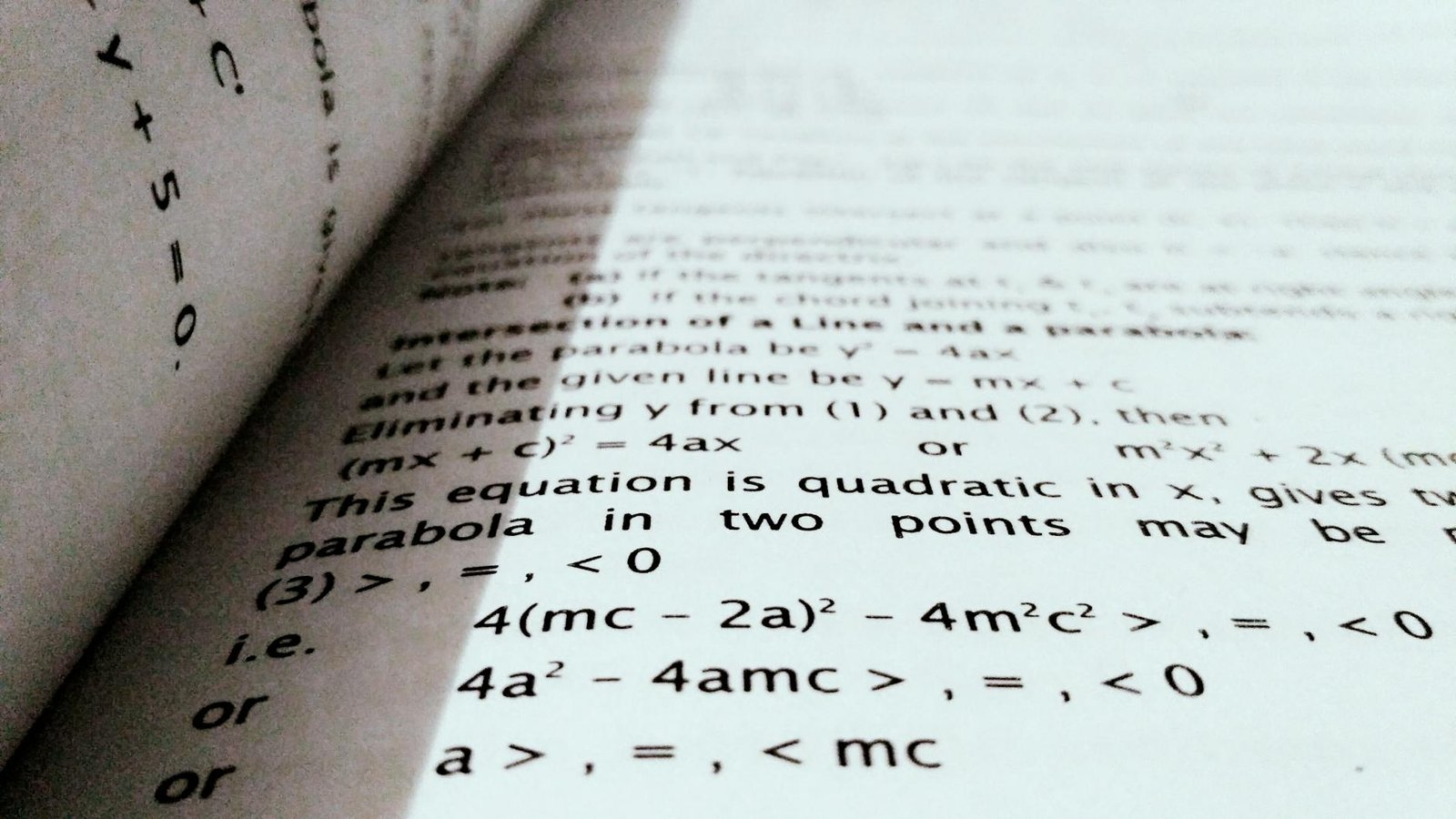
Class 10 home tuition revision plan for Maths and Science: This parent guide explains how to choose syllabus priorities, organise realistic revision and measure independent learning without promising examination marks. Best Home Tuition can discuss visiting or online subject support according to tutor suitability, locality and timetable.
Quick answer: Identify the student’s board and weak chapters, plan focused weekly lessons, include independent practice and review errors every fortnight. Confirm the current school syllabus before using any sample calendar.
Class 10 home tuition revision plan: where to begin
A useful Class 10 home tuition revision plan begins with the student’s actual school syllabus and the chapters they can already explain without help. Many families ask for additional Maths and Science tuition when examinations approach, but repeating the entire textbook at the same speed for every learner may not solve the real problem. One child may struggle with algebraic working, while another knows a Chemistry definition but cannot apply it in a new question. Tuition should identify the difficulty before choosing extra worksheets.
This guide offers parents a practical framework for home or one-to-one online support. It includes a sample twelve-week calendar, ideas for independent practice, review of school papers and questions to ask a prospective teacher. The examples are flexible; a student who has fewer weeks before an examination should adapt the schedule rather than hurry blindly. Check current school instructions and the relevant board before treating any revision list as complete. The aim is confident problem solving and steady learning, not a guaranteed examination mark.
Check the current board syllabus before making a timetable

Class 10 courses differ among CBSE, ICSE and other boards, so begin by obtaining the current list of chapters and assessment expectations from the school. Use the student’s textbook, recent class tests and homework notices. CBSE families can refer to the official CBSE Academic website and relevant NCERT resources. Other families should consult the appropriate board’s official materials and their school, rather than an old social-media chapter list.
Make a three-column notebook with chapter name, current confidence and the next activity. Mark a chapter as needing explanation, needing practice or ready for occasional revision. This prevents a tutor from spending a full week reteaching a topic the child already understands while a difficult unit remains untouched. School-issued changes, practical requirements and internal assessment tasks should take precedence over a generic timetable. Parents can ask the tutor how the lessons will respond if the school adds a test or changes the order of teaching.
Use school tests to discover the real Maths and Science gaps

A poor mark does not reveal which skill needs attention. Look at several questions answered incorrectly and ask whether the student misunderstood the concept, chose an unsuitable method, missed a unit, made a calculation error or ran out of time. A student can lose marks on a question about motion because of weak graph reading rather than a failure to memorise the motion formula. In Maths, sign mistakes sometimes reveal confusion with negative numbers or basic algebra.
For each repeated error, write a short correction in the learner’s own words. For example, instead of just writing the correct final answer, note that the sign changed incorrectly when subtracting from both sides. Choose one easy practice question and one unfamiliar question to check whether the idea is now understood. A visiting tutor should explain how this diagnosis influences the next lesson. Parents can keep the record simple and avoid comparing the child with classmates; the goal is to measure progress from a clear starting point.
A realistic twelve-week Class 10 revision calendar
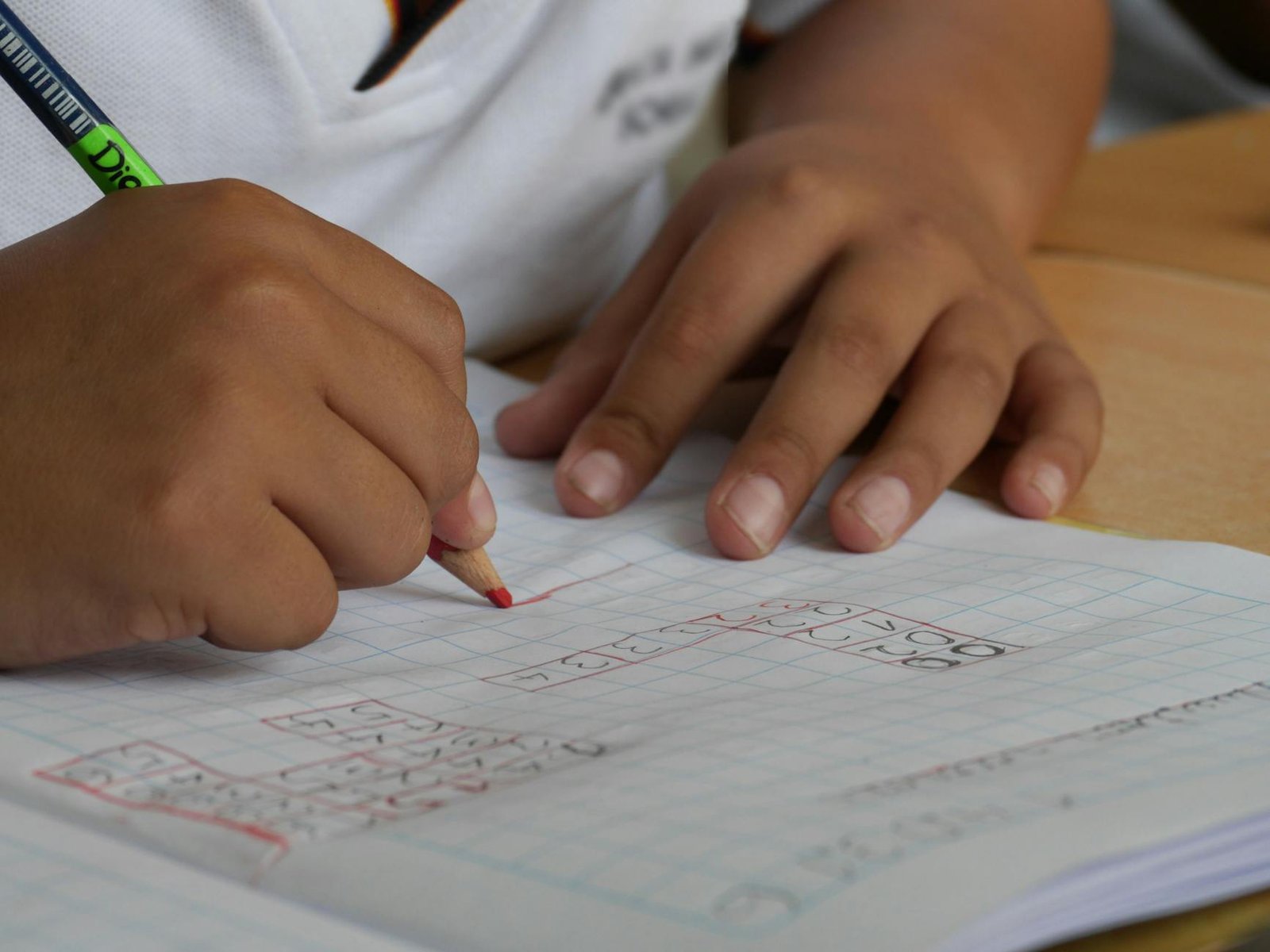
A twelve-week schedule is an example, not an official examination calendar. In weeks one and two, map the syllabus, collect test errors and choose weak foundations. Weeks three to five can prioritise the most difficult current Maths and Science units with fresh practice after each explanation. Weeks six to eight can revisit medium-confidence chapters while using short cumulative questions from earlier work. Weeks nine and ten can combine mixed revision and timed sections. Weeks eleven and twelve can concentrate on error correction, rest and the topics the student still cannot solve independently.
Adapt the sequence to school tests, board dates and the number of chapters actually remaining. A student preparing in six weeks can use the same logic on a smaller scale, while someone starting earlier can space revision across a longer period. Avoid allocating all the available hours to tuition: students need independent work, time for languages and Social Science, and sleep. Review the weekly plan at the end of each week rather than treating it as a rigid promise that every topic will be mastered by a particular date.
How to divide Maths tuition time across chapters

Maths revision should focus on the kinds of problems the learner finds difficult rather than an arbitrary number of exercises. Some students need work with algebra and arithmetic operations; others require clearer reasoning in geometry, trigonometry, graphs or application questions, depending on the prescribed course. The tutor can demonstrate one example, explain the reasoning behind each step and let the student attempt a new version without prompts. A copied solution is not reliable evidence of understanding.
A practical Maths lesson might begin with a ten-minute review of an earlier mistake, continue with a concept explanation and finish with several problems chosen for their different wording. The student should identify what is given, select a suitable method, show steps and check the result. Parents can consult our Maths home tuition guide for related practice principles. Tutor experience should match the actual class and board, and a standard worksheet should not replace the school’s current requirements.
Revise algebra with reasoning rather than memorised shortcuts

A child may remember that a term moves across an equals sign and changes sign without understanding why the operation is valid. Use a simple example: if 3x + 7 = 22, subtract seven from both sides to obtain 3x = 15, then divide each side by three so x = 5. Substitute the result into the original question to check it. The explanation keeps both sides equal at every step and connects the algebra to a principle instead of a slogan.
The tutor can then change the numbers or introduce a negative term to see whether the student can apply the method independently. If there is difficulty, return to the earliest incorrect step. For Class 10 chapters involving algebraic expressions or equations, the exact content should match the current syllabus. A steady pattern of worked reasoning, independent attempts and brief error review helps reduce repeated mistakes without burdening the student with unnecessary advanced material.
Science revision: split Physics, Chemistry and Biology needs

Science is not one uniform skill. Physics questions may require physical reasoning, numerical work, diagrams and units. Chemistry may combine symbols, equations, reactions and explanations. Biology can require scientific terminology, labelled diagrams and an understanding of processes. A student who is comfortable with Biology may still need a specialist explanation of an electricity question. During the first assessment, look for the component where the learner repeatedly gets stuck.
A sensible timetable gives time to all required Science parts without treating them equally every week. The hardest current topic may deserve extra individual attention, followed by brief revision of material already understood. Teachers should distinguish between memorising an answer and explaining the concept. Parents can request clear feedback on each part of Science rather than a vague statement that the student is weak in the whole subject. School-specific guidance determines exactly what material is required for the examination.
Physics numerical questions: diagrams, units and answer checking

Physics revision is more effective when the student begins by describing what happens in the problem. Before selecting an equation, write down the known values, identify the unknown quantity and check the units. In a motion question, the learner should recognise whether the question concerns speed, acceleration or a related idea, rather than choose the first familiar formula. A clear diagram can help distinguish information in the situation from information added by assumption.
Ask the tutor to show how an answer is checked for plausible magnitude and correct units. A calculation with a wrong conversion can produce a result that looks precise but is physically unreasonable. After one guided problem, use a new question that requires the same principle with different numbers or wording. Our Physics tuition learning guide explains similar reasoning techniques. Home tuition should not involve dangerous makeshift demonstrations with household wiring or unsuitable equipment.
Chemistry revision: reactions, terms and application questions

In Chemistry, students sometimes remember the appearance of a reaction but cannot explain why it occurs or what a chemical symbol represents. The tutor can begin by checking the learner’s understanding of the relevant terms and then connect them with the actual school question. Diagrammatic explanations and safe textbook examples can make abstract processes easier to follow. Where balancing or calculation skills are involved, the student needs careful reasoning as well as correct final notation.
After a guided example, ask the student to interpret or explain a different problem without reading the model answer. Errors can be recorded as a missing scientific idea, a problem interpreting the question or an inaccurate written expression. Our Chemistry tuition guide provides additional study considerations. Practical experiments must be completed only under suitable supervision and facilities; random use of household chemicals, heat or electricity is not a safe substitute for school laboratory work.
Biology diagrams and written-answer practice
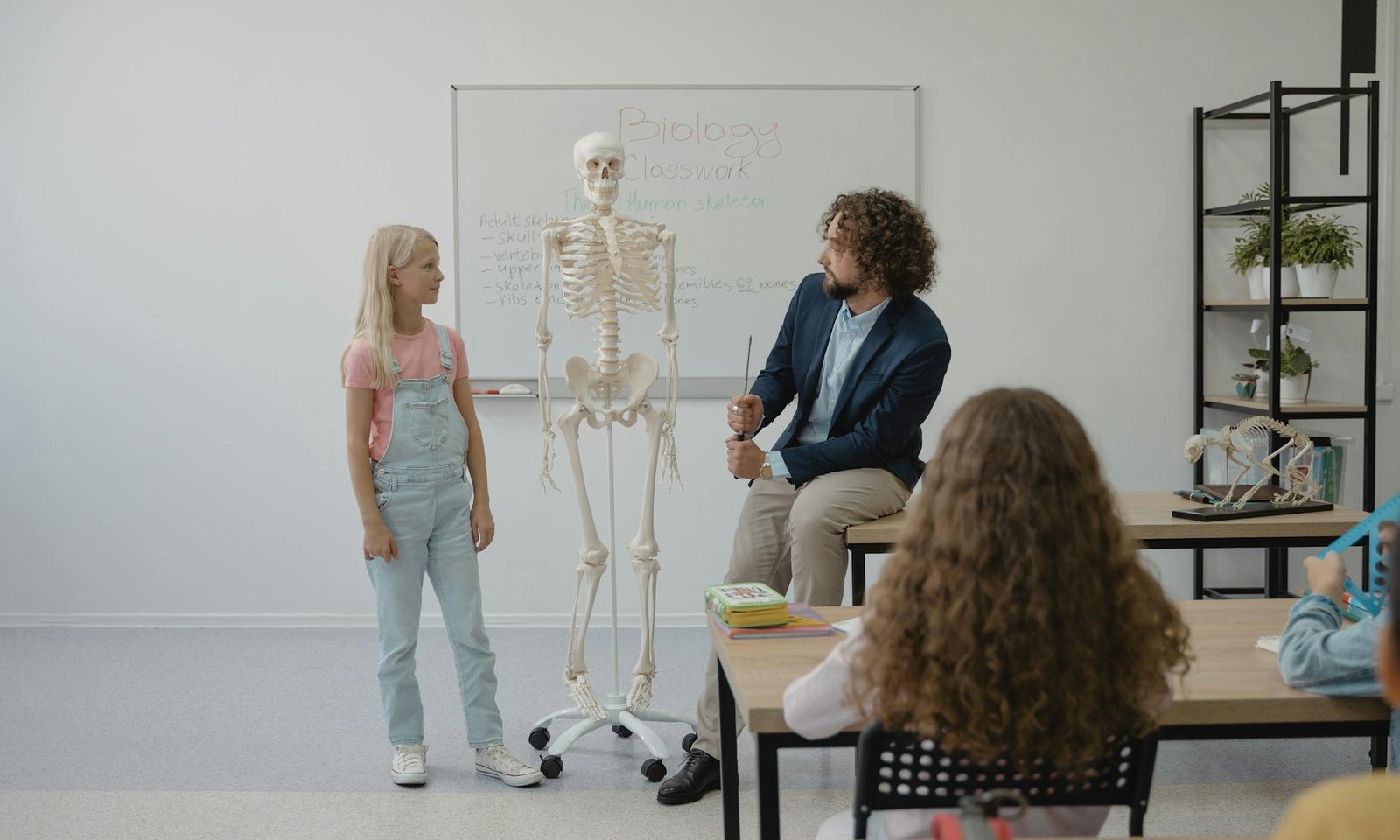
Biology may require a student to connect labels with functions and explain a process in the correct order. Instead of memorising a long paragraph first, ask the child to describe the main stages in their own words and then draw or annotate a relevant diagram. The tutor can check both scientific accuracy and whether the school expects particular terminology. Students should practise explaining a new example without relying on a line-by-line reproduction of textbook wording.
Independent retrieval helps reveal forgotten details. Close the book, write the central idea and compare it with the prescribed material. A short correction note is more useful than copying the full chapter again. When preparing diagrams, focus on labels, clarity and the level of detail expected by the school board. Parents can ask the tutor to show a before-and-after example of written work so that progress is visible even before test results change.
Create a correction notebook that the student actually uses

An effective correction notebook contains mistakes that are likely to repeat, not every problem ever answered incorrectly. Organise it by subject and record the chapter, the original error, the corrected method and one short practice question. For example, in Maths the entry could identify an incorrect sign operation, while in Science it could describe an omitted diagram label or unit. The student should write the explanation in simple words they understand.
Review a small selection of old mistakes several days later. If the child can solve a fresh problem independently, the tutor can reduce the frequency of that review. If the error returns, re-explain the relevant foundation rather than adding another lengthy worksheet. Parents can encourage a brief weekly look at the notebook, but it should remain the student’s own learning tool. Over time, fewer repeated mistakes may give a clearer picture of progress than counting completed revision pages.
When and how to use timed tests

Timed work is useful after students understand the relevant chapters, not as the only method of teaching difficult material. Begin with a small set of familiar-format questions under a reasonable time limit, followed by careful discussion of mistakes. The teacher can identify whether an error came from weak understanding, rushing through a question, slow calculations or unclear answer presentation. Gradually mix question types as the learner becomes more comfortable.
Avoid turning every tuition visit into a stressful mock examination. A student still needs time to ask questions and correct the underlying concept. Where official sample papers are available for the relevant board, use their current instructions and question patterns rather than old papers presented as the latest format. After a timed exercise, record two or three improvements to attempt next time. The aim is better control of time and reasoning, not simply practising panic under a clock.
A weekly routine that includes all school subjects

A Class 10 learner usually has more than Maths and Science to study. Home tuition should fit around school homework, English, Social Science, other languages, meals, recreation and adequate sleep. Families can assign subject blocks according to current difficulty and upcoming tests, leaving some room for unexpected school tasks. Two shorter focused sessions with independent practice between them may sometimes be more effective than a long session where the student only watches a teacher work.
A sample week might include Maths concept work early in the week, Science diagrams and numerical questions later, and a short mixed review near the weekend. The exact order depends on school commitments. Parents should ask what work must be completed alone before the next visit. A tutor can also help the student prioritise urgent difficulties without crowding out other subjects. An achievable routine is more useful than a packed timetable that cannot be followed consistently.
Home tuition lesson structure: explanation, attempt, feedback

A lesson needs time for the learner to think, not only for the tutor to speak. One possible sixty-minute structure is a short recap of the previous problem, a clear explanation of one difficult idea, a guided example, an independent attempt on a fresh question and feedback on errors. That is an illustration, not a compulsory format. Some students will need breaks, while multi-step Class 10 problems may require additional uninterrupted working time.
Parents can observe whether the teacher adapts when an explanation does not make sense and whether the student feels comfortable asking doubts. The tutor should check understanding before assigning homework and briefly explain the next goal. For related questions about finding a suitable teaching arrangement, see our home tutor selection information. A good lesson leaves the child with something they can practise alone, rather than a complete answer copied from the tutor.
Online Class 10 tuition: check the writing and feedback process

Online individual tuition can support Maths and Science when a suitable specialist cannot travel or the household needs a different time. For numerical subjects, the tutor needs a clear way to show steps and diagrams, and the student should be able to share handwritten solutions for review. Stable internet, understandable audio and a suitable writing method help make remote lessons interactive. Watching a long explanation on a screen is not enough evidence that a student can solve the problem.
Younger or easily distracted learners may prefer visiting tutors, but format alone does not determine academic progress. Parents can consider concentration, technology and comfort with asking questions. See our online tuition guide for more setup considerations. Tutor suitability, fees and available time slots need confirmation in either mode. Regular independent practice and appropriate feedback remain essential regardless of whether lessons take place at home or through a video call.
How parents can measure revision progress every two weeks

A progress review should compare the same type of skill across time. At the beginning, save a few questions completed without hints. After two weeks, ask the learner to solve different questions of similar difficulty and explain the reasoning. Record the kinds of mistakes still appearing: concept confusion, calculation slips, labels, units, careless reading or time management. A shorter list of recurring errors and stronger explanations can show improvement before the next school test.
Discuss what the tutor plans to change when progress is limited. The next step could be revisiting arithmetic, practising graph interpretation or using an alternative explanation of a scientific process. Parents should avoid expecting an identical rate of improvement from every student. A calm conversation about specific evidence is more productive than a general claim that more tuition hours must automatically produce higher marks. Keep goals realistic and linked to the actual syllabus.
When to change the Class 10 revision plan

A revision timetable is useful only when it responds to learning. If the school changes its test schedule, a new weakness appears or the student has less independent time than expected, the plan may need adjusting. Teachers can prioritise an urgent concept without abandoning all earlier material. If a student repeatedly gets questions wrong despite explanations, revisit the prerequisite or change the example rather than moving mechanically to the next calendar item.
Exam anxiety and fatigue also matter. Scheduling back-to-back tutoring sessions without rest may reduce attention and motivation. Parents can support regular meals, adequate sleep and a manageable amount of practice. A realistic plan includes contingency time for school projects and unexpected homework. An informed tutor should explain why the revised approach is reasonable and what observable improvement they expect to check. No timetable itself guarantees examination results.
Frequently asked questions about Class 10 home tuition revision

How early should Class 10 revision begin? As early as practical, based on the student’s syllabus and current schoolwork; a twelve-week plan is only an example. Which subjects need most tuition? The subjects in which the learner shows important gaps, not necessarily those with the longest chapters. Is daily Maths tuition essential? Not for every student; class frequency should leave room for independent practice. Can a tutor support Physics, Chemistry and Biology? Ask about the proposed teacher’s expertise at the required level.
Should we use previous-year papers? They can support practice when appropriate, but check current board guidance for formats and syllabus. Are online and visiting lessons both possible? Enquiries can be made for either subject to availability. Can a teacher guarantee board marks? No. What should parents send with the first enquiry? Class, education board, current Maths and Science difficulties, general location and preferred timing. Best Home Tuition can discuss the requirement on 8872339669.
BEST HOME TUITION — CLASS 10 MATHS AND SCIENCE
Share your child’s board, weak chapters, general locality and preferred days for an individual tuition enquiry.
Call 8872339669
Call Best Home Tuition WhatsApp Class 10 Enquiry
Subject specialists, fee quotes, travel and class availability must be confirmed.
