Best Home Tuition for Class 11 & 12 in Mohali | PCM, PCB & Commerce

Looking for Best Home Tuition for Class 11 or 12 in Mohali? Senior-secondary students need subject-specific support that respects their stream, board and current school assignments. This detailed guide explains how PCM, PCB and Commerce home tuition can be organised, how to evaluate a teacher, what to ask about fees and progress, and how to discuss local availability. The goal is reliable, personalised academic support, not an unrealistic promise of examination results.
Families can use the sections below to prepare their enquiry and the student’s first month of study. If your learner follows CBSE, align preparation with the current published syllabus. The same decision framework can be adapted to other boards using their official materials.
BEST HOME TUITION — Class 11 & 12 Enquiries
Looking for PCM, PCB or Commerce tutors in Mohali? Share your subjects and locality to discuss available options.
What makes senior-secondary tuition different?

Classes 11 and 12 introduce a deeper level of subject learning than most students experienced earlier. New chapters may require several older ideas at once, and a learner who performed well in Class 10 can still find the adjustment challenging. This is not unusual. Physics connects mathematical reasoning with scientific models; Chemistry mixes calculation and explanation; Biology involves processes and detail; Commerce introduces new systems and terminology. Good home tuition begins by identifying the student’s stream and academic goals, then making time for the exact topics that need attention.
Action for this week: Look at the first unit test and mark questions that were difficult because of concepts, calculations, time or answer presentation. This simple review gives a teacher a much better starting point than a general comment about low marks.
What to ask: Ask a tutor how they build prerequisite knowledge for Class 11 before moving quickly into the Class 12 syllabus. The plan should also respect school practicals, projects and the learner’s weekly timetable.
Choose tuition for PCM, PCB or Commerce subjects

The subject mix matters. PCM commonly combines Physics, Chemistry and Mathematics; PCB combines Physics, Chemistry and Biology. Commerce students may study Accountancy, Business Studies and Economics, while other students follow humanities or different combinations. No single teacher should be assumed to specialise equally in every subject. Some learners want one subject specialist; others want a coordinated arrangement across two or more subjects. The choice depends on the student, available tutors and the practical frequency of lessons. The most useful schedule allocates attention where it is currently needed.
Action for this week: Make a one-page subject plan that lists the school chapter, next assessment, confidence level and the main support needed in each subject. Review priorities after tests rather than repeating an unchanged routine.
What to ask: When contacting Best Home Tuition, state the exact combination, such as Class 12 PCB with Physics numericals and Chemistry revision, rather than simply asking for ‘science tuition’.
Physics tuition: improve numericals and concepts

Students in Class 11 and 12 Physics often struggle to decide which principle applies to a new problem. A tutor who only writes formulas on the board may unintentionally make this harder. A more effective method begins with a verbal explanation of the physical situation, a simple diagram where useful, selection of relevant quantities, then calculation and a unit check. The teacher should also explain assumptions and how changing a quantity affects the result. Clear understanding supports both numerical work and descriptive answers, and enables the student to recognise variations of familiar ideas.
Action for this week: After a worked example, solve a modified question independently. Maintain an error record distinguishing units, algebra, wrong assumptions and misunderstanding of the question.
What to ask: Ask for a learning plan aligned to the current school syllabus and consult our Physics home tuition resource to discuss subject-specific support.
Chemistry tuition: build understanding chapter by chapter

Senior-secondary Chemistry combines physical, inorganic and organic topics. Students may find one area straightforward and another difficult because the learning demands are different. Physical Chemistry can require careful calculations and assumptions; organic chemistry asks students to recognise structures and relationships; inorganic topics require concepts, trends and correct terminology. A helpful tutor moves between explanation, relevant textbook examples and short retrieval practice, checking that the learner can connect facts rather than merely repeat them. School-prescribed sources should remain the reference point.
Action for this week: Keep a chapter notebook with important ideas, a worked example, reactions where relevant and a list of mistakes. Review it in small blocks rather than leaving everything until the pre-exam period.
What to ask: Ask about experience with the learner’s class and the Chemistry tutor options. A tutor should identify which area needs specialist attention instead of treating every Chemistry chapter with the same method.
Mathematics: independent problem solving for Classes 11 and 12

Senior-secondary Mathematics requires both conceptual understanding and routine practice. A student may copy solutions successfully yet be uncertain how to approach a fresh application problem. Good tuition develops that missing step. The teacher can explain why a theorem or method works, demonstrate a representative example and then gradually remove hints as the student solves new questions. Careful algebra, graph interpretation and checking answers remain essential habits. Revision also needs to be spaced over time because forgetting an earlier chapter can create trouble in a later one.
Action for this week: Create an error notebook and record one question that shows each recurring mistake. Rework those examples a few days later without consulting the model solution.
What to ask: Ask the tutor whether they practise unfamiliar question types after textbook basics are secure. See Maths home tuition for a subject-focused enquiry route.
Biology tuition: diagrams, terminology and application

Biology students need to understand systems and processes, not just memorise long paragraphs. A useful session may start with a labelled diagram, then a question about why each part matters, followed by a short written explanation. The learner should connect terms with scientific meaning, and practise organising responses within a reasonable amount of time. School practical materials and relevant textbook diagrams should be reviewed carefully. When a subject involves many similar terms, comparisons and concept maps can help students distinguish them accurately.
Action for this week: Use a two-column sheet: one side contains a diagram or topic, and the other lists the important process steps and one common misconception. Revisit it after a few days.
What to ask: Ask whether the teacher can check both factual accuracy and the way an answer is presented. This can matter in school examinations as well as longer-term study plans.
Accountancy home tuition for Commerce students

Accountancy can feel unfamiliar to students beginning Class 11 because it introduces a structured way of recording and interpreting transactions. A strong tutor should connect each entry with its economic meaning rather than asking students to memorise a format without context. By Class 12, students need more confidence linking concepts across chapters, checking totals and explaining the reasons behind entries. Worked examples are useful, but independent attempts show whether the learner can recognise the right treatment when the question changes.
Action for this week: After learning a concept, practise one basic example and one variant without looking at notes. Review errors separately for classification, calculation and presentation.
What to ask: Families can refer to the Accounts home tuition page. Before engaging a tutor, confirm the student’s board, prescribed books, current chapters and assessment requirements.
Economics and Business Studies: clear explanations

Economics combines definitions, relationships, graphs and interpretation of examples. Business Studies asks learners to understand organisational concepts and apply them to a situation. Both reward clear language and accurate reasoning, not simply long answers. A home tutor can use practical examples to explain a concept, then ask the student to identify how it appears in the textbook or examination-style question. Written practice matters because knowing an answer orally is different from presenting it clearly under time limits.
Action for this week: Choose a key term and ask the learner to explain it in simple words, draw a diagram where appropriate and then write a concise exam-style answer. Compare the response with the official school material.
What to ask: Ask about the exact senior-secondary stream and whether the teacher can support related Commerce subjects. Our Economics tuition guide provides a further starting point.
English and other chosen subjects also matter

Students choosing PCM, PCB or Commerce may spend nearly all their extra study time on specialist subjects and ignore English or other school papers. Yet language skills can influence how clearly a student expresses scientific and economic ideas. Reading comprehension, grammar, written interpretation and structured essays require their own practice. Humanities students may also need help in subjects such as History, Geography or Psychology depending on their school programme. A suitable tutoring plan respects the whole subject combination instead of assuming every learner follows the same timetable.
Action for this week: Reserve a small weekly block for writing, reading or other subjects that are regularly postponed. Check school requirements and practise one question at the appropriate depth.
What to ask: Ask how the tutor will coordinate with the student’s existing school assignments. Where a subject requires different expertise, consider a specialist rather than expecting one teacher to cover everything.
Class 11 foundation versus Class 12 revision
Class 11 and Class 12 require different priorities. In Class 11, students are often adapting to a new level of complexity and developing the study habits needed for their chosen stream. The priority is understanding foundational chapters, learning to review mistakes and avoiding large gaps. In Class 12, students may need to integrate earlier knowledge while balancing school assessments, projects, board preparation and post-school plans. A one-size-fits-all schedule misses these differences. The tutor should define the current goal and explain how sessions will change as the school year progresses.
Action for this week: For Class 11, record prerequisite gaps and address them early. For Class 12, keep a cumulative revision calendar that mixes new chapters with carefully chosen earlier topics.
What to ask: Ask prospective tutors to explain their first four weeks of work for the learner’s actual class. A concrete plan is a stronger signal than a generic claim that the entire syllabus will be completed quickly.
CBSE, ISC and other boards: check official resources

Not every Mohali student follows the same examination board. Before lessons begin, identify the board and current subject combination, then confirm the school-prescribed textbooks and assessment pattern. For CBSE Classes 11 and 12, the official 2026–27 CBSE curriculum is a useful place to verify requirements. Families can also consult NCERT ePathshala for accessible study resources. For other boards, use the relevant official school and board guidance. Avoid assuming that an old online worksheet will match this year’s course.
Action for this week: Ask the learner to bring the school’s current chapter list and assessment plan. The tutor can mark what has already been taught, what needs revision and which question formats require practice.
What to ask: Check whether the teacher is familiar with the specific board rather than only with a subject name. Syllabus alignment prevents wasted effort on irrelevant tasks.
Balance practicals, projects and theory preparation

Senior-secondary students manage more than written examinations. Depending on the subject and school, there may be practical work, internal assessments, projects and class activities. A sensible home tutor helps the learner understand the theory connected with those tasks and organise preparation early. Practical laboratory work should take place with suitable supervision and equipment, following school safety rules. Home tuition can support interpretation, background concepts, records and revision without recreating unsafe experiments in a domestic setting.
Action for this week: Add school project and practical dates to the same calendar as tests. Divide large tasks into smaller steps so they do not take over the final week before a deadline.
What to ask: Ask how tuition sessions will adapt around project submissions. Good teaching takes the student’s full school workload into account rather than assigning more exercises regardless of competing deadlines.
Weekly tests and measurable progress reports
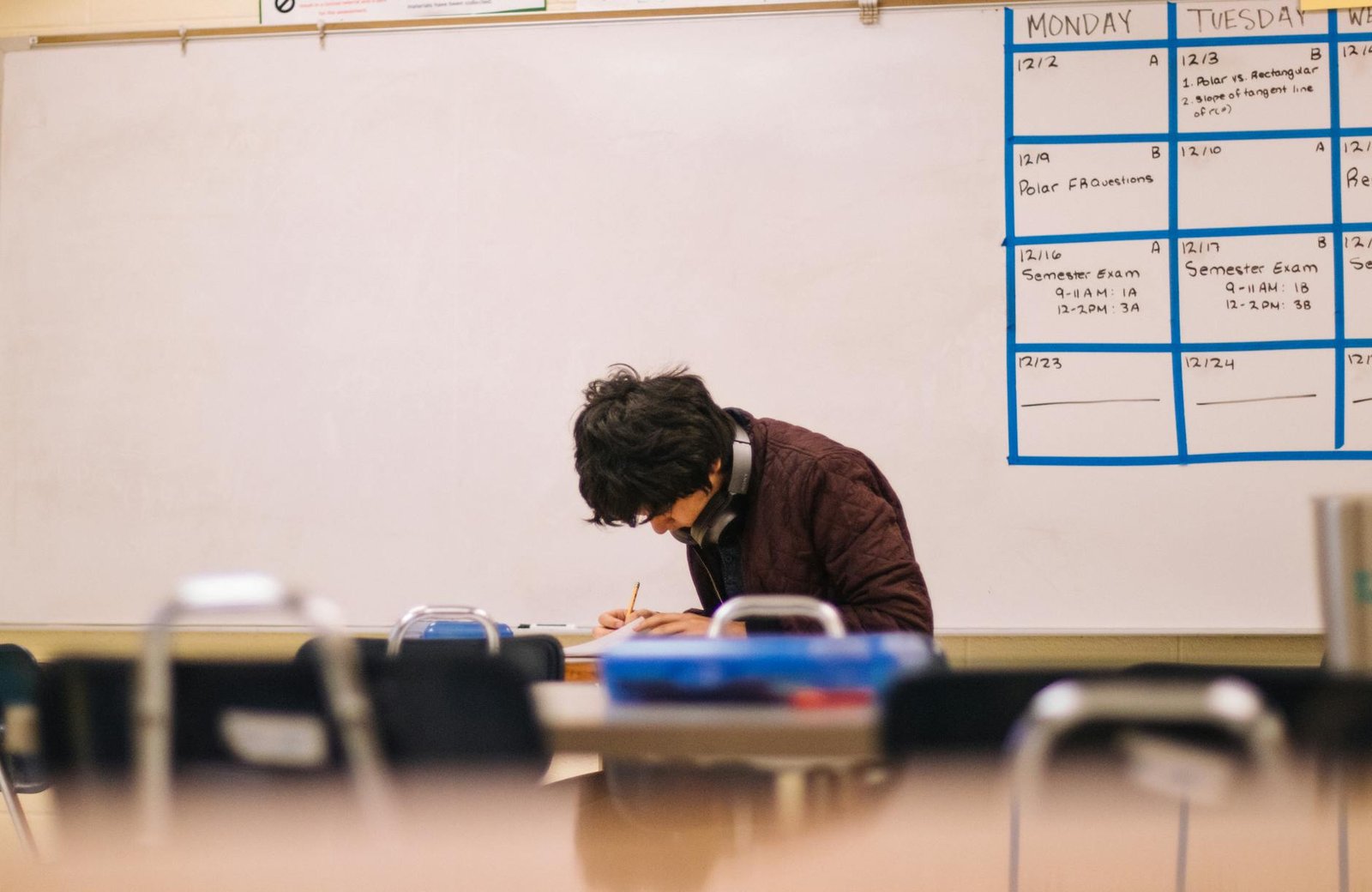
A progress report should explain how a student is learning, not simply show a test mark. A useful teacher may conduct small quizzes, review recent mistakes and monitor whether the learner can solve unfamiliar examples. If a student improves in explanation but still struggles with speed, the next plan should focus on timed practice. If a child repeatedly chooses the wrong formula, the tutor may need to revisit conceptual connections. Parents benefit from feedback that identifies the problem and the next action rather than vague reassurance.
Action for this week: Agree on a short weekly update listing topics covered, work attempted independently, recurring errors and the next week’s priority. Keep assessments frequent enough to guide teaching but not so constant that they create unnecessary stress.
What to ask: Ask the tutor for sample progress indicators and how they will revise the plan if an approach is not working. Improvement may be uneven, so judge trends over several weeks.
Offline or online home tuition in Mohali

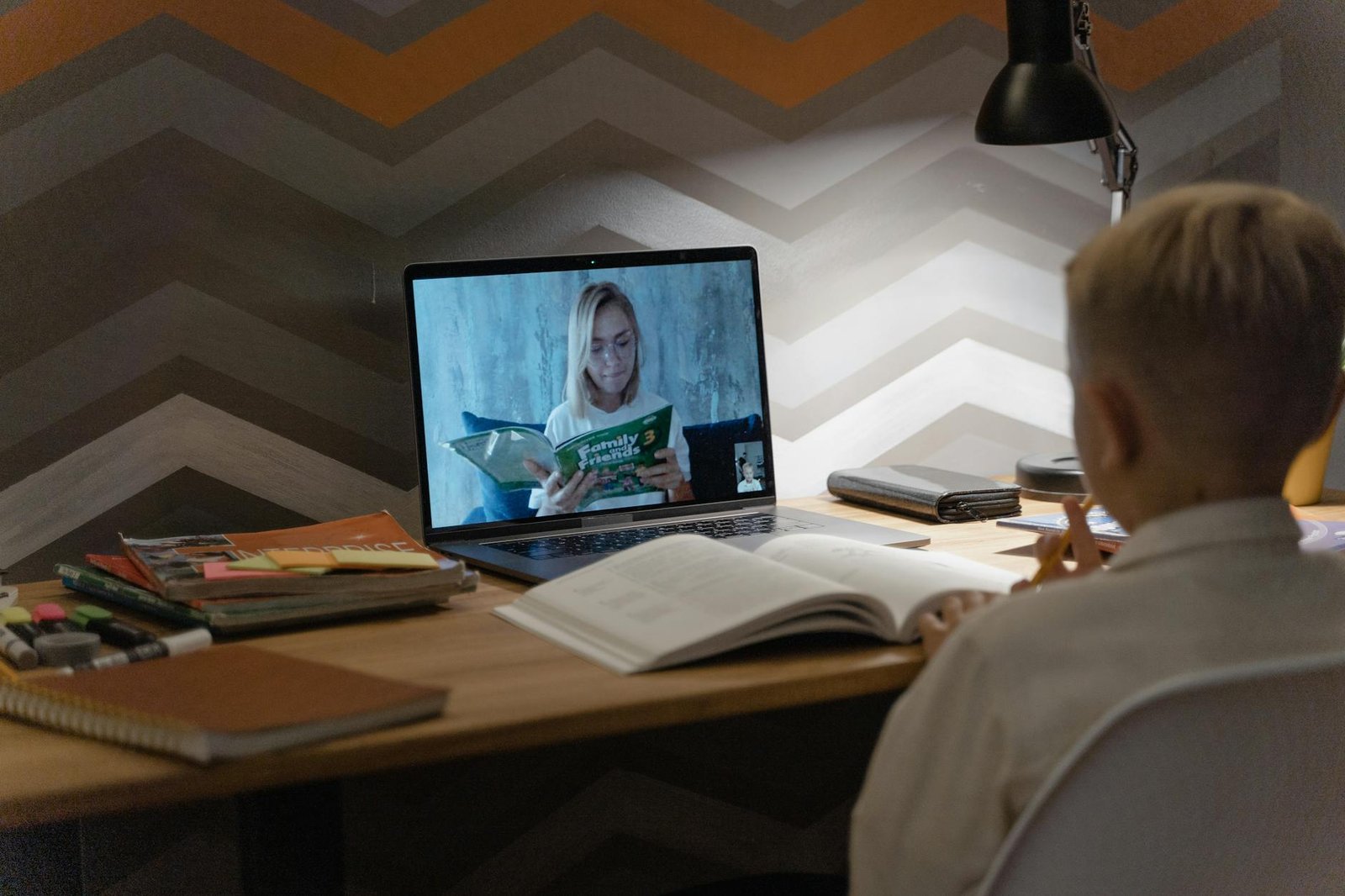
Face-to-face tuition can be effective when a learner benefits from a teacher observing handwritten work closely. Online sessions may be suitable when schedules are difficult or a subject specialist cannot travel conveniently. Neither method automatically guarantees better outcomes. The deciding factors are teaching quality, student engagement, a quiet study environment and the ability to share questions and feedback clearly. For online lessons, stable connectivity and a practical way to write and show solutions are especially helpful in Maths and Science.
Action for this week: Before committing to online tuition, test the microphone, display and method for showing written answers. For home tuition, check available study space and practical arrangements for access and timing.
What to ask: Read the online tuition page for context and then ask which format and teacher options may suit the student’s needs.
Home tutor selection and a useful first lesson

When evaluating a teacher, consider more than academic credentials. A tutor should communicate clearly, let the child attempt questions and respond constructively to errors. Ask about experience teaching the exact subject and class, how lessons are structured and whether the teacher can explain a difficult topic in more than one way. If an introductory or demo lesson is discussed, confirm its availability and conditions first. The student’s ability to participate matters more than the tutor’s ability to talk confidently for an hour.
Action for this week: Prepare one real school question that the learner cannot solve alone. After the explanation, have the student attempt a similar question without hints and describe the method.
What to ask: Use our Hire a Tutor page to send the required details. Matching and availability must be confirmed individually rather than assumed from a website listing.
Mohali localities and nearby home tuition enquiries

Families across Mohali and nearby connected areas often search using the name of a locality rather than a broad city. Share the sector, neighbourhood or society, along with class, subjects and preferred times. The practical travel route matters because punctuality affects consistency. Depending on the enquiry, families may also want tuition in Chandigarh, Panchkula or Zirakpur. Service availability for a particular address and time needs confirmation, so avoid assuming that every advertised area has an instantly available tutor.
Action for this week: Review related information on Best Home Tuition in Mohali and Chandigarh tuition. Tell the team whether society gate access or visitor approval is needed.
What to ask: Choose a consistent, quiet place for lessons. Agree on parent contact, session timings and practical arrangements before teaching begins to reduce avoidable interruptions.
Tuition fees, frequency and family expectations

The price of senior-secondary home tuition depends on subjects, frequency, teaching duration, location and the teacher’s background. A family should request a current quote instead of relying on an old general estimate. Discuss when payments are due, how holidays and rescheduling work, and whether tuition covers more than one subject. The most expensive timetable is not always the most useful, and very long lessons can be tiring. Focus on what the child will actually learn and practise rather than simply counting hours.
Action for this week: Use our tuition prices page as background and then ask for a clear quote for the exact Class 11 or 12 stream and location.
What to ask: Before confirming, write down the subjects, days, lesson length and communication plan. Clear expectations help parents, students and tutors focus on educational progress.
FAQs and next steps for Best Home Tuition in Mohali

Can a Class 12 student start home tuition after the session begins? A tutor can discuss a catch-up plan after checking the chapters completed and the student’s prerequisite knowledge. Do PCB and PCM need different teachers? They have different subject requirements; the right combination should be decided by demonstrated teaching expertise and availability. Can one tutor teach all Commerce subjects? That depends on the tutor’s experience and the learner’s needs; do not assume it automatically.
Action for this week: How often should a learner practise independently? Regular short practice between sessions is important. Should school tests guide the tuition? Yes, alongside concept understanding and longer-term revision. Is online tuition possible for numericals? It can be, provided the student can share handwritten working or use suitable digital writing tools.
What to ask: How can we enquire? Send the class, stream, individual subjects, board, Mohali locality, preferred schedule and the student’s main academic difficulties. Best Home Tuition can discuss possible arrangements and fees without promising particular scores or immediate tutor availability.
BEST HOME TUITION — Class 11 & 12 Enquiries
Looking for PCM, PCB or Commerce tutors in Mohali? Share your subjects and locality to discuss available options.
