ONLINE HOME TUTOR

Online Home Tutor for Physics Chemistry, Maths, Accounts and Economics. Additionally, we have the best home tutor for all classes and all subjects. Also, Our male and female Home Tutors are much experienced and very much professional in Teaching Classes.
CLASSES

Nursey, K.G. 1st, 2nd, 3rd, 4th, 5th, 6th, 7th, 8th, 9th, 10th, 11th, 12th, NEET Exam, IIT JEE mains and advance. Furthermore, we have tutors for under Graduation or post-graduation. Besides these, we also provide home tutors for Government Exams, CA, CS, CMA, CPA, PMT Exam, BBA, BSC, Mechanical, Civil, Electronics, Automobiles, Computer science, Engineering, Engineering all subjects like M1 M2 M3 and Drawing.
FREE DEMO ONLINE HOME TUTOR

For your satisfaction we arrange home tutor accordingly as per your requirement, hence we provide one FREE Demo Class for you from our Experienced Male and Female Home Tutors.
AREAS

Moreover, we also provide home tuition in these popular cities Panchkula, Chandigarh, Mohali, Zirakpur, Landra, Kharar, Dhakoli, Manimajra, Peermushalla, Chandimandir, Chandimandir Cant, Mansa Devi Complex (MDC) Derabassi, Amravati, Pinjore, Kalka, Baltana, and Nearby areas
ONLINE HOME TUTOR

- CHEMISTRY ONLINE HOME TUTOR
- MATHEMATICS ONLINE HOME TUTOR
- PHYSICS ONLINE HOME TUTOR
- BUSINESS STUDY ONLINE HOME TUTOR
- PSYCHOLOGY ONLINE HOME TUTOR
- ECONOMICS ONLINE HOME TUTOR
- ACCOUNTS ONLINE HOME TUTOR
- HINDI ONLINE HOME TUTOR
- SANSKRIT ONLINE HOME TUTOR
- PUNJABI ONLINE HOME TUTOR
- IELTS ONLINE HOME TUTOR
- SPOKEN ENGLISH ONLINE HOME TUTOR
- FRENCH ONLINE HOME TUTOR
- SPANISH ONLINE HOME TUTOR
- SCIENCE ONLINE HOME TUTOR
- ENGLISH ONLINE HOME TUTOR
- S.S.T. ONLINE HOME TUTOR
- EVS ONLINE HOME TUTOR
- HISTORY ONLINE HOME TUTOR
- GEOGRAPHY ONLINE HOME TUTOR
- POLITICAL SCIENCE ONLINE HOME TUTOR
- B.TECH. ONLINE HOME TUTOR
- E.C.E. ONLINE HOME TUTOR
- C.S.E. ONLINE HOME TUTOR
- M.E. ONLINE HOME TUTOR
- SOCIOLOGY ONLINE HOME TUTOR
- B.C.A. ONLINE HOME TUTOR
- B.SC. ONLINE HOME TUTOR
- B.COM. ONLINE HOME TUTOR
- PUBLIC ADMINISTRATION ONLINE HOME TUTOR
- G.S.T. ONLINE HOME TUTOR
- INCOME TAX HOME TUTOR
How live online home tutoring works

Online home tutoring connects a learner with a teacher in a live lesson using video, audio and shared writing tools. The tutor can explain a concept, demonstrate a question and ask the student to attempt a similar problem. Unlike a recorded video, a live lesson gives the student opportunities to ask questions and receive feedback immediately. A useful session includes an achievable goal, active participation and time for independent practice. Parents should discuss lesson length, scheduling, homework and progress updates before starting. The learner needs a suitable device, reliable internet and a quiet study space. Online tuition can complement classroom learning, but results depend on the teacher, the student’s participation and regular practice. A tutor should check understanding rather than simply finish a fixed number of pages.
Who benefits from one-to-one online lessons

Students may benefit from online tutoring when they need extra help with a particular chapter, cannot find a suitable local teacher or prefer to learn at home. One-to-one sessions can be adapted to the student’s current understanding instead of moving at the pace of a larger group. Younger learners may need a parent to help with the device and stay organised. Older students may be comfortable sharing homework and asking questions independently. Online lessons are not automatically the best choice for everyone, so families should consider attention span, comfort with screens and the need for written feedback. Discuss the student’s class, school board and learning goals before choosing a tutor. An introductory discussion can reveal whether the student understands the teacher’s explanations and feels comfortable participating.
Preparing a suitable study space

A quiet and organised study space makes online lessons more productive. Before class, test the internet connection, microphone and camera. Keep the textbook, notebook, stationery and school assignments nearby. Students should be able to see the tutor’s shared screen and show their own written solutions. Closing unrelated applications and silencing notifications can reduce distractions. Good lighting and a comfortable seating position help students concentrate. Younger children may need an adult nearby for login or technical problems, but parents should avoid answering the lesson questions for them. Agree on a simple plan if the connection fails, such as rejoining the same meeting. Preparation saves time and allows the tutor to focus on teaching rather than solving avoidable device problems.
What the first online session should cover

The first session should help the teacher understand the student’s strengths, difficulties and goals. Parents can share the class, board, current textbook, recent assessments and chapters that feel challenging. A tutor may ask a few representative questions to check prerequisite skills. The teacher should observe how the learner thinks through a problem, not only whether the final answer is correct. A good introductory lesson also explains how homework will be shared, how doubts can be raised and what progress updates parents can expect. If a demonstration class is available, confirm its conditions directly. At the end of the session, the student should know what to practise next and how future lessons will address the main learning gaps.
Online mathematics tuition

Mathematics lessons should give students opportunities to write and explain their own solutions. A tutor can use a shared whiteboard for fractions, equations, geometry, trigonometry or calculus, depending on the class. After explaining a worked example, the teacher can ask the learner to solve a similar question independently. Reviewing the steps often reveals mistakes that a final answer alone would not show. Students may need revision of earlier arithmetic or algebra before advanced topics become manageable. Regular short practice and feedback are more useful than copying many solved examples. Parents can ask about recurring errors and specific learning goals. For detailed guidance, read our maths home tuition article. Lesson content should follow the student’s actual school syllabus.
Online physics tuition

Physics requires students to connect concepts, diagrams, graphs and calculations. During an online lesson, the tutor can share a labelled diagram and explain why a particular equation applies. The learner should then practise identifying known values, selecting a physical principle and checking units. Topics may include motion, electricity, optics or other chapters prescribed by the school. The tutor should ask students to show their written working so errors can be corrected. A student who watches the teacher solve every question may not develop independent problem-solving skills. Practice should include both conceptual explanations and numerical questions. For more information, see our physics home tuition guide. Families should discuss whether the student’s device can display diagrams and equations clearly.
Online chemistry tuition

Chemistry tutoring may cover chemical equations, atomic structure, bonding, numerical calculations and organic reactions according to the student’s class. A tutor should explain symbols and processes before asking learners to memorise information. Shared diagrams can help students understand structures, while step-by-step writing can clarify calculations. The learner should practise balancing equations and explaining observations independently. Physical chemistry may also require revision of units, ratios and algebra. Homework should reinforce the concepts discussed in class, with feedback on recurring errors. Online tuition is not a replacement for supervised school laboratory work; unsafe experiments should not be attempted at home. For more detail, visit our chemistry home tuition guide. The teacher should align examples and terminology with the student’s syllabus.
English and language tutoring online

Online English lessons can focus on grammar, comprehension, writing and spoken communication. A tutor may begin with a reading passage or a writing sample to identify specific needs. Students should practise answering questions in their own words and receive feedback on structure, vocabulary and clarity. Speaking activities can help learners express ideas confidently, while short reading assignments reinforce vocabulary between lessons. For school examinations, use the current textbook and assessment pattern. The teacher should encourage questions and correct mistakes respectfully so the learner remains willing to participate. Parents can ask for manageable practice tasks and examples of improvement. A live session works best when the student reads, speaks or writes actively instead of listening to a long lecture.
Commerce subjects through online tuition

Commerce students may need support with accountancy, economics and business studies. In accountancy, the tutor can explain how transactions are recorded and ask the learner to complete entries or statements independently. Economics lessons may include definitions, graphs, data interpretation and examples relevant to the syllabus. Shared screens help with tables and worked calculations, but students should still practise using their own notebooks. Reviewing the cause of an incorrect answer is more useful than memorising a finished solution. Parents can explore our accounts tuition guide and economics tuition guide. A suitable tutor should understand the student’s board, class and upcoming school assessments.
Online tuition for primary school children

Younger children often benefit from shorter activities, clear instructions and frequent opportunities to respond. An online tutor can use pictures, reading exercises, number examples and familiar situations to support school learning. Parents may need to help with login and organise materials, particularly during the first few sessions. The teacher should ask the child to read, count, write or explain something independently rather than simply watch the screen. Homework should be appropriate for the child’s age and school workload. Families should consider screen comfort and the child’s ability to remain engaged. A brief progress note can describe improvements in reading, number understanding or confidence. Online tuition may suit some primary learners better than others, so teaching format should be chosen carefully.
Online tuition for middle school

Classes 6 to 8 often introduce more detailed concepts and greater expectations for independent study. A tutor can help students organise notes, understand new vocabulary and practise applying ideas across maths, science, English and social studies. Lessons should follow current school chapters while revisiting foundations when needed. Students can share photographs of homework and explain their reasoning during the call. A short recap at the start of each session checks what has been remembered. Rather than completing assignments for the child, the tutor should guide independent thinking. Parents can request a weekly summary of topics covered, practice assigned and recurring difficulties. A consistent routine can make online learning more manageable as subjects become more demanding.
Classes 9 and 10 online tutoring

Students in Classes 9 and 10 may need structured revision for school tests and board examinations. An online tutor can break difficult chapters into manageable goals, review prerequisite concepts and practise examination-style questions. The current board syllabus and prescribed textbooks should guide the lessons. Maths and science students should show complete working and explain their reasoning. Language and humanities students may need feedback on written answer structure and clarity. Revision should include earlier topics rather than only the next chapter. Timed papers can be useful once the student understands the content and can solve questions accurately. Parents should look for clear progress feedback, not promises of guaranteed marks. A realistic study plan also leaves time for independent practice and other school subjects.
Online tuition for Classes 11 and 12

Senior secondary learners may need specialised support in physics, chemistry, mathematics, biology, accountancy, business studies or economics. A tutor should understand the student’s stream, board and examination goals before selecting material. Difficult topics may require revision of earlier concepts, so lessons should not simply follow the next page of a textbook. Students need to attempt independent questions and receive feedback on method as well as final answers. Board preparation can include official sample papers and written presentation, while entrance preparation may require a wider variety of problems. A realistic timetable leaves space for school assignments and other subjects. Families can review progress regularly and adjust the plan when the learner demonstrates stronger understanding.
Choosing board-specific online tuition

Families should share whether the student follows CBSE, ICSE, ISC or another curriculum. Textbooks, chapter coverage and assessment patterns differ, so a tutor must follow the actual school requirements. CBSE learners can consult CBSE Academic and NCERT for official resources. Families following CISCE programmes can consult CISCE. School assignments and teacher feedback should also guide revision. A tutor can organise preparation around concepts, practice questions and common mistakes. Students should avoid relying on outdated materials or assuming that every board uses the same syllabus. A useful lesson plan combines current topics with revision of important foundations.
Online JEE and NEET preparation
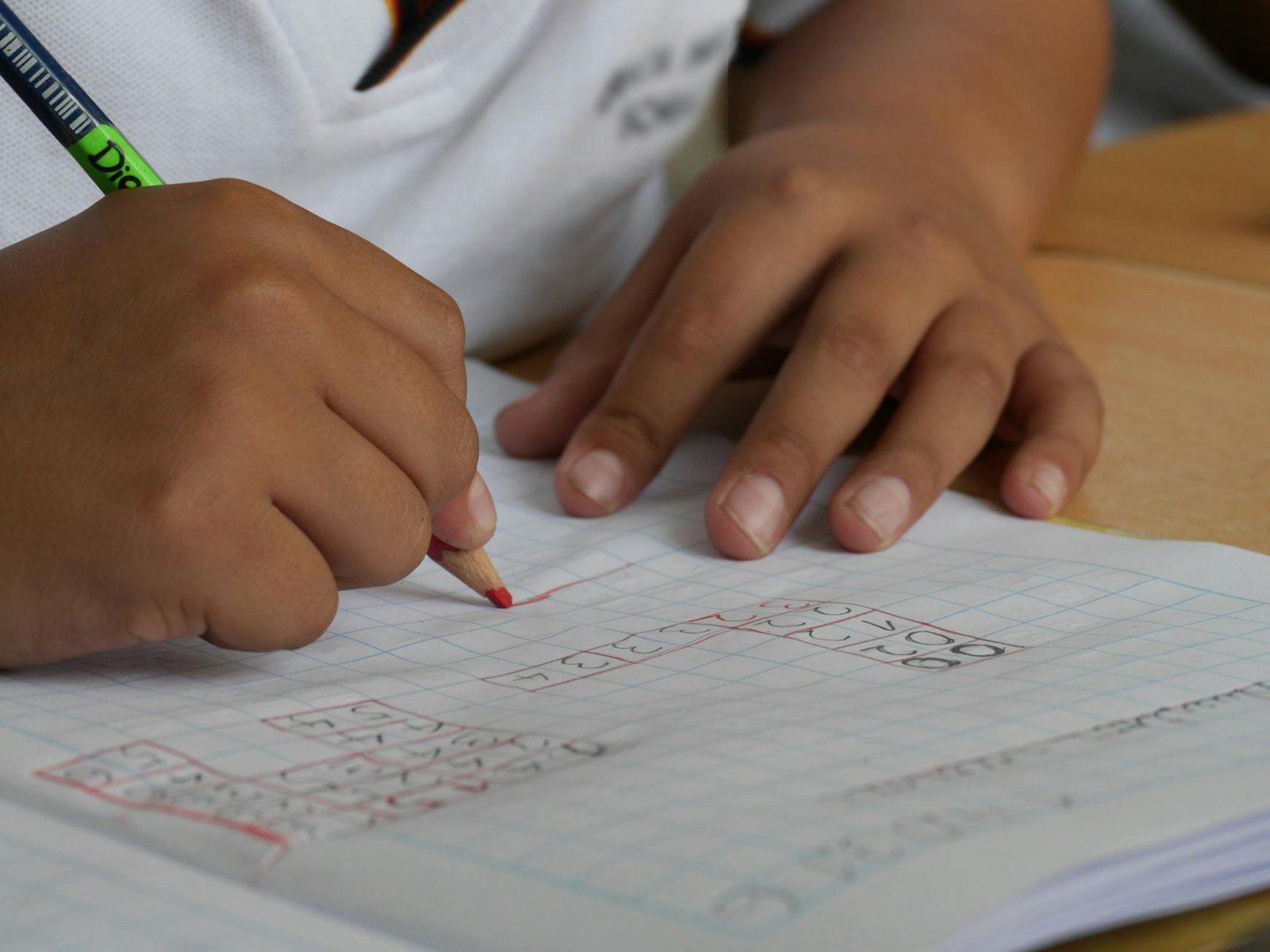
Competitive-exam preparation requires conceptual understanding, varied problem solving and sensible time management. Students should confirm current examination information using official resources, including JEE Main and NEET. A tutor can begin with untimed questions to identify weak concepts and then introduce mixed-topic practice. Reviewing incorrect answers is essential because mistakes may come from a missing concept, calculation slip or inefficient approach. Timed sets become useful once the learner can solve questions accurately. Preparation should also leave time for school commitments and rest. Families should discuss realistic learning goals rather than expecting guaranteed scores, ranks or admission outcomes.
How to select an online home tutor

Ask about the teacher’s experience with the student’s class, board and subject. A suitable tutor should explain concepts clearly, check independent work and adjust the pace when the student is confused. Discuss how homework will be shared, which digital writing tools will be used and how progress will be reported. Confirm availability, fees, lesson duration, rescheduling and communication expectations before beginning. The student should feel comfortable asking questions and admitting mistakes. An introductory discussion or demonstration, if offered, can help families assess the teaching approach. Compare tutors by the clarity of their explanations and feedback rather than relying only on broad claims about experience or results. A good match is important for consistent learning.
Online versus in-person home tuition

Online lessons may reduce travel time and offer more scheduling options, while in-person sessions may make it easier to observe handwritten work and support younger learners. Both formats have limitations. Online teaching depends on reliable technology and active participation; in-person teaching depends on local tutor availability and travel arrangements. Families should consider the student’s age, comfort with screens, subject and preferred schedule. Ask how questions are answered and how independent work is checked in either format. An introductory discussion can help assess whether the tutor and learner communicate well. The better option is the one that supports a consistent routine, clear explanations and useful feedback. Teaching quality and practice matter more than the format alone.
Building a realistic weekly learning plan
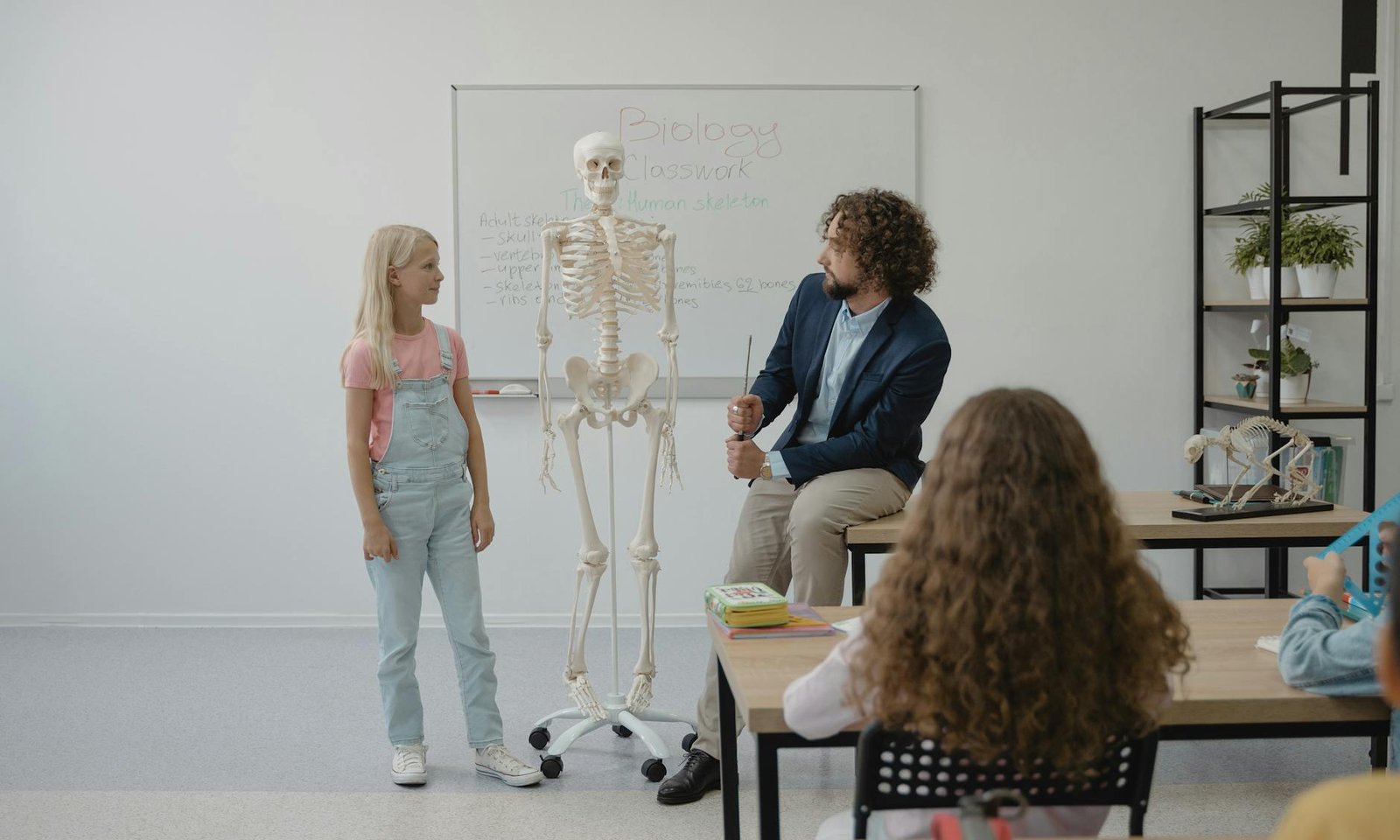
A weekly plan should balance new lessons, revision, homework and independent practice. One session may introduce a difficult concept, while another reviews mistakes and applies the idea in unfamiliar questions. Short recall exercises can help students remember earlier chapters. A tutor can maintain a simple record of completed topics and recurring errors. Students should know what to practise between classes and how to ask for help when stuck. Parents can support the routine by providing a quiet study space and ensuring the learner is ready on time. Avoid scheduling so many lessons that there is no time for independent work. A sustainable timetable is more useful than an intensive schedule that quickly becomes exhausting.
Measuring progress in online tutoring

Progress involves more than attendance or the number of worksheets completed. A tutor can ask students to solve questions without hints, explain concepts in their own words and correct earlier mistakes. Comparing these responses over time provides evidence of learning. School tests and homework can add useful information, but marks alone do not show every improvement. A brief progress update might describe topics covered, skills mastered and the next priorities. If progress is slower than expected, review prerequisite knowledge, lesson pace and the practice routine. Parents should encourage steady effort without unnecessary comparisons. Feedback should lead to practical changes in teaching or study habits rather than simply reporting that a lesson took place.
Common online learning challenges

Online lessons can be interrupted by weak internet, device problems, background noise or distractions. Families can reduce these issues by testing the connection before class and keeping materials nearby. Some students hesitate to speak when confused, so tutors should pause regularly and invite questions. Asking the learner to demonstrate understanding through written work can reveal problems that a simple yes-or-no question misses. Shorter activities may be helpful when concentration drops. Agree on how missed sessions and technical interruptions will be handled. Parents can help younger children manage the technology without completing the child’s answers. Clear communication and a predictable routine make online tuition more productive and less stressful.
Online tutoring in Chandigarh and nearby areas
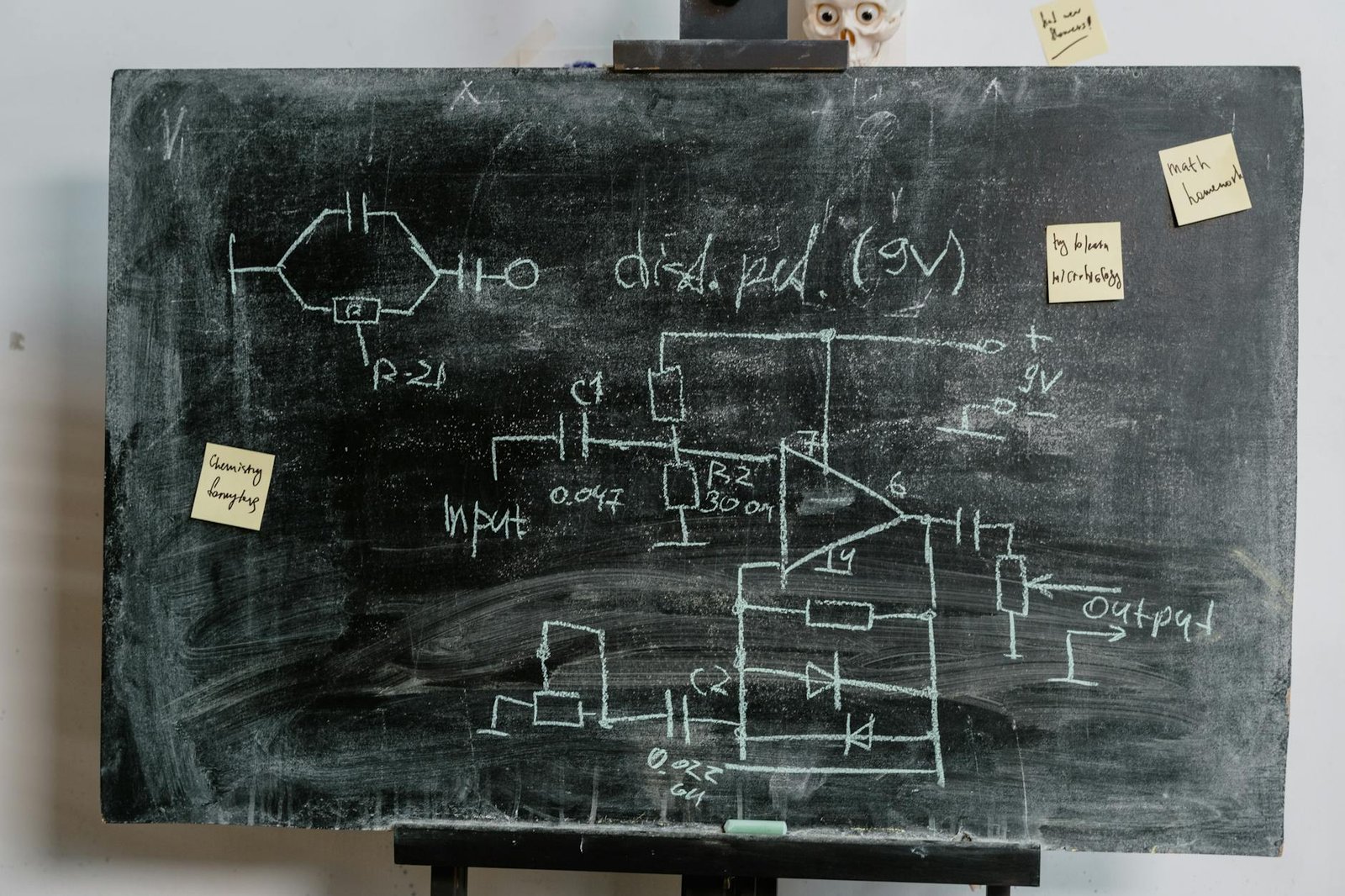
Families in Chandigarh, Panchkula, Mohali, Zirakpur, Kharar and nearby areas may consider online tutoring when in-person travel or timing is inconvenient. Share the student’s class, board, subject, difficult topics and preferred lesson schedule when enquiring. Ask whether an available tutor can support the specific curriculum and provide interactive lessons. Online teaching may also be suitable for learners in other locations, subject to tutor availability and scheduling. For local information, explore our Panchkula tuition guide and Chandigarh tuition information. Fees, timings and lesson arrangements should always be confirmed directly.
Frequently asked questions about online tutors

Can online tutors teach school subjects? Yes, when lessons follow the student’s syllabus and the teacher has suitable subject knowledge. What equipment is needed? A device, stable internet, microphone and a way to share written work. Can younger children learn online? Some can, although they may need help with technology and shorter activities. Are lessons interactive? They should include questions and independent practice. How many sessions are required? This depends on the learner’s goals and routine. Are results guaranteed? No. How do parents enquire? Share the student’s class, board, subject and preferred timings through the contact options below.
Enquire with BEST HOME TUITION

Before contacting BEST HOME TUITION, prepare the student’s class, school board, subjects, current chapters and preferred schedule. Explain whether the priority is foundational support, homework guidance, examination revision or advanced practice. Ask about the tutor’s subject experience, online platform, homework checking, availability and fees. For subject-specific advice, review our physics tuition guide, maths tuition guide and chemistry tuition guide. Use the Call Now or WhatsApp buttons below to start an enquiry. All tutor arrangements and prices are subject to confirmation.
BEST HOME TUITION
Looking for a Home Tutor? Tell us the class, subject, board and location.
Mobile: +91 8872339669
Call NowChat on WhatsApp
One Response
[…] the tutor should explain concepts clearly, invite questions and give feedback. Parents can read our online home tutor guide when comparing options. Agree on timing, fees, missed lessons and communication before […]