ONLINE HOME TUITION

Online Home Tuition: Personalised Live Classes for School Students
Online home tuition provides live, individual academic support from a tutor while the student learns at home. Lessons can be planned around school chapters, difficult topics, homework and examination goals. BEST HOME TUITION helps families discuss suitable tutoring arrangements for their requirements.
Build a personalised online home tuition plan

A useful online home tuition plan starts with the student’s current schoolwork, not a fixed package of lessons. The teacher can review the prescribed textbook, recent tests, homework and chapters that cause difficulty. Together, the family and tutor can choose a small number of goals for the coming weeks. These might include stronger reading comprehension, more accurate algebra or clearer scientific explanations. Each goal should be observable through independent student work. The teacher can then divide the work into teaching, guided practice and revision. Parents should agree on the expected lesson frequency and homework workload before beginning. A flexible plan allows the tutor to slow down when a prerequisite is missing and move ahead when the student demonstrates understanding. Progress is more meaningful than simply counting completed chapters.
Set clear learning goals before starting

Families sometimes ask for tuition because marks have fallen, but a lower score does not explain what support is needed. The tutor should find out whether the student struggles with concepts, reading questions, calculation accuracy, written presentation or time management. A short diagnostic exercise can help identify the main difficulty. Goals should be specific enough to review, such as solving linear equations independently or writing a well-structured answer to a comprehension question. The student should understand these goals and know what practice is expected between lessons. Parents can ask for a progress review after several weeks. Goals may change when school assessments approach or new topics become difficult. Clear expectations help everyone judge whether the learning plan is working.
Create a realistic weekly timetable

A weekly online tuition schedule should leave time for school assignments, revision, recreation and rest. Younger learners may benefit from shorter sessions with varied activities, while older students may need longer periods for complex problems. The right frequency depends on the subject and how much independent practice the learner can manage. One session can introduce a concept, and a later session can review mistakes or apply the idea in new questions. Avoid booking so many classes that the student has no time to practise alone. Families should discuss preferred days, lesson duration and procedures for rescheduling. A predictable routine helps students arrive prepared and makes it easier for the tutor to measure improvement. Review the timetable when school examinations or other commitments change.
Prepare the device and study space

Online tuition needs a suitable device, a stable connection and a clear way for the student to show written work. Before class, check the microphone, camera and any digital writing tools. Keep textbooks, notebooks, pens and required worksheets nearby. A quiet room or corner helps reduce interruptions. Students should close unrelated applications and avoid checking notifications during lessons. The tutor should explain how to submit homework or share photographs of calculations. Younger children may need a parent to help with login, but adults should not answer questions for them. Agree on what to do if the connection drops so valuable teaching time is not lost. A comfortable, well-prepared study space supports concentration without requiring expensive equipment.
A step-by-step online tuition lesson

A structured lesson can begin with a short review of the previous topic. The teacher then introduces a new concept using examples appropriate for the student’s class. Next, the student attempts a guided question and explains the reasoning. The tutor should gradually reduce hints until the learner can work independently. A short quiz or written response near the end checks what has been understood. Homework should be manageable and directly connected to the lesson. The teacher can note recurring mistakes and plan a review when needed. This is a sample structure rather than a rule for every student. Younger children may need frequent changes of activity, while senior secondary students may spend more time on complex calculations. Active student participation is essential in either case.
Online tuition for nursery and early primary classes

Very young learners may need brief, interactive activities rather than a long video lecture. A teacher can use pictures, simple reading, counting and familiar objects to support early learning. Parents may need to help the child join the session and arrange materials. The tutor should encourage the child to answer in their own words and practise a small skill independently. Breaks and screen comfort matter, especially for younger children. Homework should be light and appropriate to the school’s expectations. Families should check whether online lessons suit the child’s attention span and confidence with technology. A progress update might describe letter recognition, number understanding or reading fluency. If the format is not engaging, discuss alternatives rather than continuing a routine that is not helping.
Classes 1 to 5: strengthen core school skills

Primary school tuition can support reading, writing, mathematics, environmental studies and other subjects taught in the child’s school. The teacher should follow the current textbook while checking whether earlier foundations are secure. For example, difficulty with division may come from weak multiplication facts, and reading problems may involve vocabulary rather than speed. Lessons can mix short explanations with writing, speaking and practice activities. Children should attempt questions themselves instead of copying completed answers. Parents can support progress by encouraging regular reading and a manageable homework routine. The tutor should share specific observations rather than general claims that the child is improving. Building confidence and independent learning habits is as important as finishing the next worksheet.
Classes 6 to 8: manage growing subject demands

Middle-school students encounter more detailed chapters and may need help organising notes across several subjects. A tutor can identify which concepts are confusing and teach the underlying vocabulary, diagrams or calculations. Lessons should remain aligned with school assignments but also revisit earlier skills when needed. Students can share handwritten work through photographs or a digital board. Asking the learner to explain an answer is often more informative than asking whether they understood. A weekly review can help the student remember older topics while keeping up with new lessons. Parents may request a concise summary of work completed, mistakes observed and next priorities. Good online tuition should develop independence rather than make the learner reliant on constant hints.
Classes 9 and 10: prepare for school assessments

Students in Classes 9 and 10 often need a more systematic revision routine. The tutor should review the current board syllabus, textbook and school assessment schedule before selecting practice material. Mathematics and science lessons may require worked calculations, labelled diagrams and clear explanations. Languages and social studies may require structured written answers and accurate use of terminology. Revision should revisit older topics as well as current chapters. Timed questions can help students learn to manage examination pressure after they understand the concepts. Reviewing mistakes from school tests is especially useful because it shows where marks were lost. Parents should expect practical feedback and a realistic plan, not promises of guaranteed results. Consistent independent practice remains important.
Classes 11 and 12: subject-focused tuition

Senior secondary students may need specialised support in science or commerce subjects. Physics, chemistry, mathematics, biology, accountancy and economics can require different teaching methods and study routines. A tutor should confirm the student’s stream, board, textbook and examination goals. Difficult topics may depend on earlier concepts, so revisiting foundations is sometimes necessary. Students should practise explaining ideas and completing questions independently. For board examinations, the plan can include written presentation, numerical accuracy and revision of the current syllabus. Entrance preparation may require additional mixed-topic questions and careful error analysis. A realistic schedule must also leave time for other subjects and rest. Parents and students can review progress regularly and adjust the teaching plan when needed.
Online mathematics home tuition

Mathematics learning improves when students understand why a method works and can use it independently. An online tutor can share a digital board to explain arithmetic, algebra, geometry, trigonometry or calculus as appropriate for the student’s class. After one worked example, the learner should attempt a similar question without copying. The teacher can inspect the steps and identify whether an error came from a missing concept, incorrect operation or careless calculation. Revisiting prerequisite skills may be more useful than assigning harder questions immediately. Short regular practice helps students retain methods between lessons. Parents can read our mathematics tuition guide for further information. Progress should be measured by independent problem solving, not only homework completion.
Online physics and chemistry tuition

Physics and chemistry both require clear concepts, careful use of symbols and practice applying knowledge. Physics lessons may involve diagrams, graphs, equations and numerical reasoning. Chemistry lessons may include reactions, bonding, calculations and explanations of processes. The tutor should use the current syllabus to select relevant topics and examples. Students should show written work and explain their choices rather than watch the teacher solve every problem. Digital diagrams and shared screens can support understanding, but online lessons are not a replacement for supervised laboratory activities. The teacher should review mistakes and identify whether the difficulty is conceptual or mathematical. Explore our physics guide and chemistry guide for subject-specific advice.
Online English and language learning

Online language tuition can focus on reading comprehension, grammar, vocabulary, writing and spoken communication. The tutor may review a short passage or writing sample to understand the learner’s needs. Students should practise expressing answers in their own words rather than memorising a model response. Writing sessions can include planning, drafting and editing, while speaking sessions can encourage complete explanations and constructive feedback. For school examinations, use the prescribed textbook and assessment pattern. Regular reading and short writing tasks between classes help reinforce learning. Parents can ask for examples of progress, such as clearer paragraphs or more accurate grammar. A successful online lesson requires active speaking, reading or writing by the learner, not only listening to an explanation.
Online accountancy and economics tuition

Commerce students may benefit from focused practice in accountancy, economics and business studies. In accountancy, the teacher can demonstrate how to record transactions and then ask the student to prepare entries or statements independently. Economics tuition may involve understanding definitions, interpreting graphs and connecting concepts with examples. Shared screens are useful for tables and calculations, but students should still practise in their own notebooks. A tutor should align lessons with the class, board and current school assignments. Mistakes should be reviewed carefully because an incorrect answer may arise from misunderstanding the concept or missing a calculation step. Parents can explore our accountancy guide and economics guide for additional information.
Follow the student’s board and official syllabus
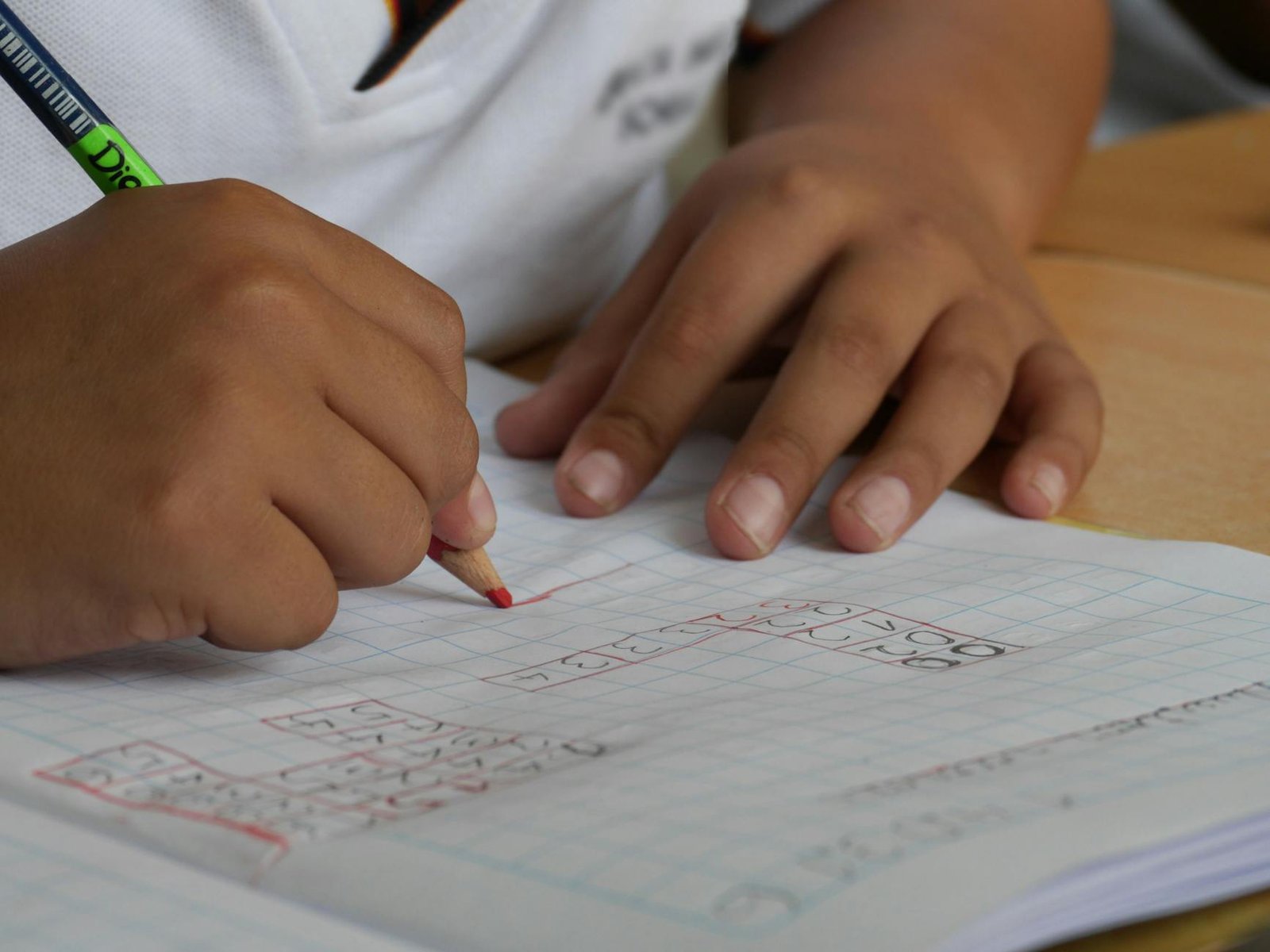
The school board affects textbook choices, chapter depth and examination patterns. Families should tell the tutor whether the student follows CBSE, ICSE, ISC or another curriculum. The teacher should use current school materials and avoid assuming that all boards assess topics in the same way. For official references, CBSE students can consult CBSE Academic and NCERT. CISCE families can consult CISCE. The tutor can help students interpret requirements and practise appropriate question types. School feedback remains important because it identifies how the learner is currently performing. A board-aligned plan reduces wasted effort on irrelevant material and supports better preparation.
Online revision for JEE and NEET

Students preparing for JEE or NEET need conceptual understanding, accurate problem solving and consistent revision. A tutor can identify weak foundations, explain difficult topics and introduce varied questions. It is helpful to solve problems accurately before adding strict time limits. Reviewing wrong answers can reveal missing concepts, calculation errors or unhelpful strategies. Students should verify current examination information through official sources such as JEE Main and NEET. The preparation plan should accommodate schoolwork and other subjects. Parents should be cautious about guaranteed scores or ranks. A useful tutor helps the learner understand the material and build an independent practice routine, rather than simply providing large sets of questions.
How homework and doubt solving should work

Online homework should reinforce the exact skills discussed during the lesson. The teacher can assign a manageable set of questions and explain how answers should be submitted. Students may upload a document, share a photograph of handwritten work or write on a digital board. Feedback should identify where the reasoning went wrong and how to correct it. The tutor should avoid doing the entire assignment for the student. Families can agree on when doubts may be sent and how quickly a reply can reasonably be expected. A notebook of repeated errors helps guide future revision. Homework is useful only when the learner attempts it independently and receives feedback. The amount should be realistic alongside school assignments.
Track learning progress without pressure

A progress report should describe what the student can now do independently. The tutor can use short quizzes, explanations in the student’s own words and review of written work to measure improvement. It helps to distinguish conceptual errors from arithmetic slips, incomplete answers and time-management problems. Parents can request a brief summary of topics covered, remaining difficulties and goals for the next few lessons. School test scores provide additional evidence but should not be the only measure. If improvement is slow, the teacher can revisit prerequisites or change the lesson pace. Encouragement and consistent practice often support confidence better than constant comparison with other students. Useful feedback should lead to specific next steps.
Online tuition fees and scheduling factors

Online tuition fees can vary with the student’s class, subject, lesson duration, tutor experience and frequency of sessions. Specialist senior secondary or entrance preparation may require different arrangements from primary school support. Families should ask for a clear explanation of the fee structure before committing. Confirm how lessons are scheduled, what happens when a session is missed and whether any demonstration class is available under the current terms. Do not assume that a published general description guarantees a particular price or teacher. Parents should also discuss whether lessons are one-to-one or part of a group. Clear communication about fees and scheduling prevents misunderstandings and helps the family choose a sustainable learning routine.
Online home tuition in Chandigarh and nearby cities

Families in Chandigarh, Panchkula, Mohali, Zirakpur, Kharar, Dhakoli and nearby areas may find online tuition convenient when travel or local tutor timing is difficult. When enquiring, share the student’s class, board, subjects and preferred lesson hours. The team can discuss possible tutor arrangements based on availability. Online lessons may also suit learners outside these locations when the teaching schedule and technology work for both sides. For area-specific information, visit our Panchkula home tuition page and Chandigarh home tuition page. Tutor availability, fees and any demonstration arrangements should be confirmed directly.
Frequently asked questions about online tuition
Is online home tuition suitable for all ages? It can suit many learners, but younger children may need adult support and shorter activities. Can lessons follow CBSE or ICSE? Yes, when the tutor uses the student’s current syllabus. What device is required? A suitable device, stable internet and a way to share written work. How many lessons should a student take? The frequency depends on goals, workload and independent practice. Are marks guaranteed? No; learning outcomes depend on several factors. Can parents request a demonstration? Ask the team about current availability and terms. How is progress checked? Through independent questions, homework review and school assessments.
Enquire about personalised online home tuition

Before contacting BEST HOME TUITION, prepare the student’s class, board, subjects, difficult chapters and preferred schedule. Explain whether the main priority is school homework, conceptual understanding, examination revision or competitive preparation. Ask about tutor experience, online teaching tools, lesson frequency, homework review, fees and scheduling. For more advice on choosing a teacher, see our online home tutor guide. The team can discuss possible arrangements and next steps, subject to availability. Parents should confirm the teaching format and terms before starting regular lessons. Use the Call Now or WhatsApp options below to share your requirements and begin an enquiry.
BEST HOME TUITION
Live one-to-one online classes for Classes 1–12
Share your class, board, subjects and preferred time to enquire about a suitable online tutor.
Call 8872339669
Online tutor availability, fees and demo terms are subject to confirmation.
23 Responses
[…] more independently. For in-person teaching, confirm a reliable route and quiet study space. The online tuition guide explains useful setup questions. Families can review their choice after a few weeks if the format […]
[…] reading: home tuition in Panchkula, home tuition in Zirakpur, and online home tuition. Check the latest syllabus and assessment instructions on your school board’s official […]
[…] reading: home tuition in Panchkula, home tuition in Zirakpur, and online home tuition. Check the latest syllabus and assessment instructions on your school board’s official […]
[…] reading: home tuition in Panchkula, home tuition in Zirakpur, and online home tuition. Check the latest syllabus and assessment instructions on your school board’s official […]
[…] progress. Parents can consider concentration, technology and comfort with asking questions. See our online tuition guide for more setup considerations. Tutor suitability, fees and available time slots need confirmation […]
[…] reading: home tuition in Panchkula, home tuition in Zirakpur, and online home tuition. Check the latest syllabus and assessment instructions on your school board’s official […]
[…] reading: home tuition in Panchkula, home tuition in Zirakpur, and online home tuition. Check the latest syllabus and assessment instructions on your school board’s official […]
[…] pupils require age-appropriate adult awareness and clear boundaries. Families can review our online home tuition guide for setup considerations. No format guarantees improved marks. A respectful, safe environment and a […]
[…] textbooks and a competent teacher. Do not upload sensitive school records to unknown tools. Our online tuition guide covers related setup questions. Technology can assist a suitable specialist; it cannot replace […]
[…] reading: home tuition in Panchkula, home tuition in Zirakpur, and online home tuition. Check the latest syllabus and assessment instructions on your school board’s official […]
[…] sleep and other commitments. Families can consult the Chandigarh home tuition service page and the individual online tuition guide for related planning questions. Tuition rates, lessons and travel availability must be confirmed […]
[…] Share only the general locality at first; detailed travel and timing can be discussed securely. Our online tuition guide and local tutor information explain considerations for each option. The decision should respect […]
[…] 10 level and reviewing handwritten attempts? Parents can read our local home tuition guidance and individual online tuition information. An online session may work well when the tutor can see each step of written work; a visiting […]
[…] 9 level and reviewing handwritten attempts? Parents can read our local home tuition guidance and individual online tuition information. An online session may work well when the tutor can see each step of written work; a visiting […]
[…] Mohali, Zirakpur and Kharar subject to actual teacher availability and practical travel. See our online home tuition guide and local tuition resource for more considerations. Parents should choose a realistic format based […]
[…] Mohali, Zirakpur and Kharar subject to actual teacher availability and practical travel. See our online home tuition guide and local tuition resource for more considerations. Parents should choose a realistic format based […]
[…] ask about suitable visiting or online arrangements subject to actual tutor availability. Read our online tuition guidance and local home tuition information. Share the student’s general area and preferred time, then […]
[…] in Panchkula, Chandigarh, Mohali, Zirakpur and Kharar, subject to specialist availability. The online tuition page and local tuition information explain relevant options. Share the student’s general locality […]
[…] in Panchkula, Chandigarh, Mohali, Zirakpur and Kharar, subject to specialist availability. The online tuition page and local tuition information explain relevant options. Share the student’s general locality […]
[…] in Panchkula, Chandigarh, Mohali, Zirakpur and Kharar, subject to specialist availability. The online tuition page and local tuition information explain relevant options. Share the student’s general locality […]
[…] in Panchkula, Chandigarh, Mohali, Zirakpur and Kharar, subject to specialist availability. The online tuition page and local tuition information explain relevant options. Share the student’s general locality […]
[…] can enquire about either mode, subject to actual tutor expertise and local schedules. Read the online home tuition guide and local tutor information for comparison. Parents should share the student’s class, board, […]
[…] subject to teacher qualifications and practical schedules. See the local tuition guide and online home tuition page for related options. Share the child’s grade, board, general locality and preferred timing […]